What happens if a child accidentally calls 911 in America? The emergency system treats every call as a potential life-threatening situation. Dispatchers immediately respond, attempt a callback and, if they cannot confirm everyone is safe, police officers may conduct a welfare check at the address.
Every 911 call receives an immediate response
Many parents wonder what happens if a young child accidentally dials 911 while playing with a smartphone. In the United States, emergency dispatchers treat every 911 call seriously, regardless of who placed it. Even if the caller disconnects immediately, the system assumes someone could still need urgent assistance until responders confirm otherwise.
When the emergency call reaches a 911 communications center, a trained dispatcher answers within seconds and attempts to determine the nature of the emergency. If the caller remains silent, sounds frightened or hangs up unexpectedly, dispatchers follow established emergency procedures rather than assuming it was a mistake.
This approach exists because callers experiencing medical emergencies, domestic violence or other dangerous situations may be unable to speak freely. Every unanswered call is therefore considered a possible request for help until proven otherwise.
Emergency dispatcher callback process
If a 911 call disconnects before the dispatcher can verify the situation, the communications center immediately attempts to call the number back. Dispatchers ask whether anyone needs police, fire or emergency medical assistance.
If someone answers and confirms that the call was accidental, the dispatcher may simply document the incident after verifying there is no emergency. However, if nobody answers the callback, the dispatcher cannot assume the household is safe.
Modern emergency systems also receive location information from mobile phones, allowing dispatchers to identify where the call originated. This information helps responders reach the correct address quickly if further action becomes necessary.
Police welfare check after 911 call
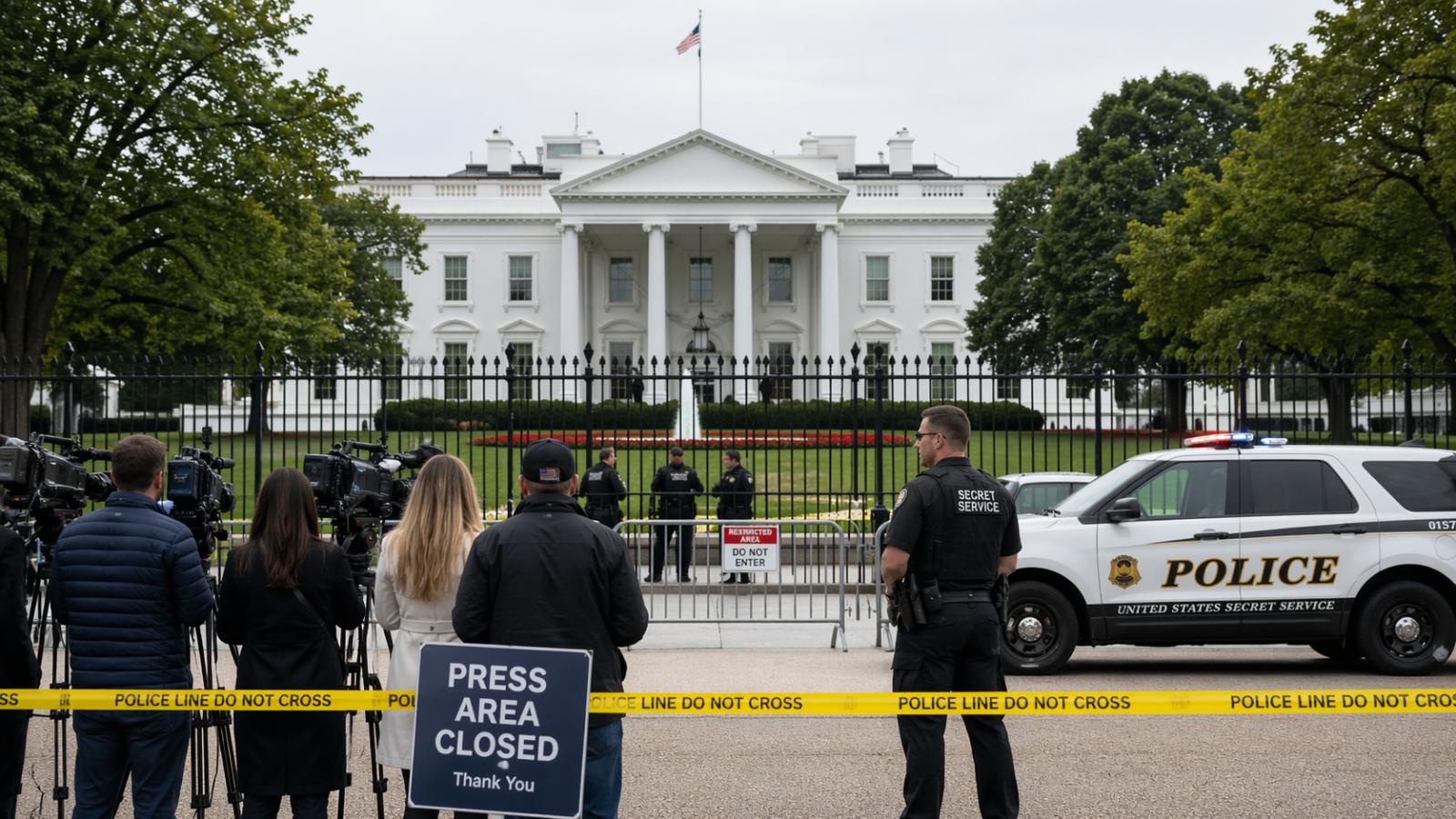
When dispatchers cannot confirm that everyone is safe, they often request a police welfare check. Officers are dispatched to the location, not because anyone is suspected of committing a crime, but to ensure no one inside requires emergency assistance.
During a welfare check, officers typically knock on the front door, identify themselves and speak with the residents. If parents explain that a child accidentally dialed 911 while playing with a phone, officers usually confirm everyone's safety and close the incident.
In many cases, officers also use the opportunity to remind families about emergency calling and encourage parents to teach children when it is appropriate to contact 911. The goal is education and public safety rather than punishment.
Why every 911 hang-up matters
Emergency communication centers receive thousands of accidental calls every year. Despite that, dispatchers never ignore a hang-up because genuine emergencies sometimes begin exactly the same way.
Someone experiencing a heart attack may collapse before speaking. A child may call because a parent is unconscious. A victim of violence may disconnect after realizing it is unsafe to continue talking. Treating every call seriously allows emergency responders to reach people who cannot ask for help in the usual way.
The National Emergency Number Association (NENA) and many US public safety agencies advise callers not to hang up after accidentally dialing 911. Instead, remain on the line and tell the dispatcher that the call was made by mistake. Doing so helps avoid unnecessary emergency responses while allowing dispatchers to return to other urgent calls.
Child safety and emergency awareness
Parents can reduce accidental emergency calls by enabling smartphone safety settings, keeping devices out of reach of very young children and teaching children when and how to call 911 during real emergencies.
Understanding how the system works also helps families appreciate why police sometimes arrive after an accidental call. Officers are responding because dispatchers cannot risk overlooking someone who genuinely needs immediate assistance.
The US emergency response system is designed around one principle: protecting lives. Whether a 911 call comes from an adult, a teenager or a curious four-year-old pressing buttons on a phone, emergency professionals respond with the same priority until they know everyone is safe.
Information in this article is based on guidance from US emergency communications practices, public safety agencies and the National Emergency Number Association regarding 911 hang-up procedures.