According to a senior Israeli official, the terms of the proposed ceasefire are unacceptable. Central to Israel’s rejection is the belief that the conditions demanded by Hamas would severely limit Israel’s strategic capabilities and its ability to rescue hostages still held in Gaza. The proposal calls for the release of ten hostages in two phases—five on the first day and five at a later stage—while demanding that Israel pull back its forces to positions held two months ago. The deal also includes provisions for extensive humanitarian aid to be allowed into Gaza under international supervision.
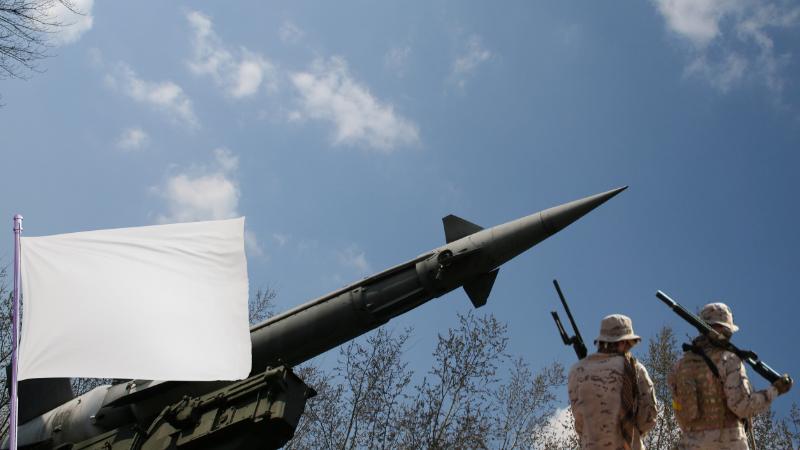
Israeli officials have expressed strong reservations about these conditions, arguing that they would effectively empower Hamas by granting them control over future hostage releases and reducing Israel's operational leverage. One official equated the agreement to surrender, asserting that it compromises national security and undermines efforts to retrieve the bodies of fallen Israelis, let alone the safe return of living hostages.
The proposal also reportedly stipulates that senior officials from both Hamas and the United States formally sign the agreement, further complicating matters. Israeli leadership views such conditions as a threat to sovereignty and believes that agreeing to them would encourage future adversaries to adopt similar tactics.
The ceasefire plan outlined a 70-day truce with phased withdrawals and was expected to serve as a foundation for broader peace talks. However, Netanyahu’s administration has maintained a consistent stance that any such agreement must not hinder Israel’s military effectiveness or grant concessions to Hamas that could be perceived as political victories.
Internally, Israel remains divided on how to approach the hostage crisis. While some families of those being held in Gaza are urging the government to explore diplomatic solutions and accept certain compromises, others are standing firm behind the government's military-first approach, believing it is the only way to ensure long-term security and stability.
This rejection of the latest ceasefire plan reflects a broader pattern of mistrust and hardened positions between the parties. Israel insists on the total dismantling of Hamas’ military infrastructure and the unconditional return of its hostages. Meanwhile, Hamas continues to push for terms that would ease humanitarian conditions in Gaza while ensuring the group retains influence and protection from further Israeli advances.
The ongoing conflict has placed immense strain on the civilian population in Gaza, where basic necessities are in short supply, infrastructure has been decimated, and the humanitarian situation grows more dire by the day. Nonetheless, Israeli officials argue that ending the war without fully achieving military objectives would only prolong instability and lead to future conflicts.
For now, the possibility of a ceasefire appears remote. Israel has reiterated its intention to maintain and possibly escalate its operations until it achieves what it deems a complete victory. The global community continues to watch closely, with concern growing over the scale of destruction and loss of life.
As the conflict stretches on with no resolution in sight, the stakes remain high not only for those directly involved but for the broader region. The current deadlock underscores how complex and deeply rooted the issues are, with neither side willing to concede ground. The likelihood of a peaceful outcome seems increasingly uncertain, with continued military action dominating the near-term outlook.