China responded sharply to the escalation, rejecting the accusations related to critical mineral exports and vowing strong countermeasures to defend its interests. While specific actions were not detailed, the response signaled a willingness to retaliate, increasing uncertainty around trade dynamics. A phone call between US and Chinese leadership is expected soon in an attempt to defuse the rising tension.
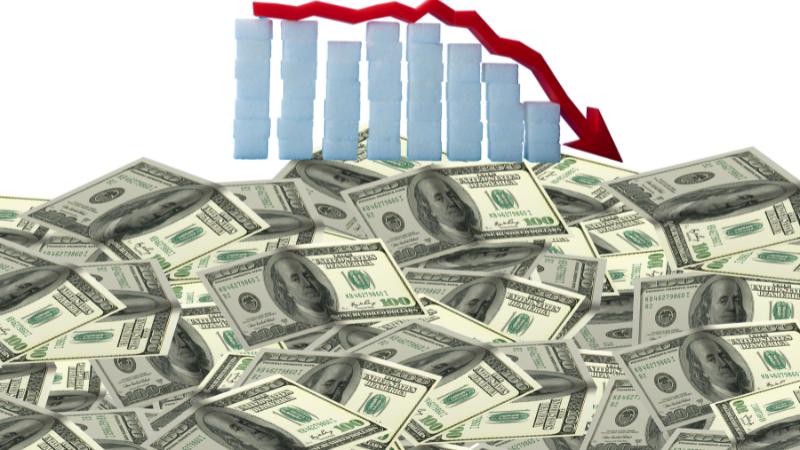
At 0439 GMT, the dollar had fallen 0.3% to 143.57 yen, paring back a portion of the over 1% increase it saw last week. The euro inched up 0.1% to $1.1362, and the British pound advanced by 0.2% to $1.3485. In the Asia-Pacific region, the Australian dollar climbed 0.3% to $0.6453 and the New Zealand dollar gained 0.4% to $0.5994. The broader US dollar index, which compares the currency against six major counterparts, slipped 0.1% to 99.283.
Market reactions have been volatile in recent months as fluctuating trade strategies from Washington have repeatedly shifted expectations. Each new tariff announcement or policy shift has introduced renewed fears about the outlook for US economic stability. This week’s announcement on tariffs has once again driven sentiment toward caution, reinforcing the view that the global trade environment remains highly uncertain.
The dollar has shown a pattern of weakening during trade flare-ups, including a 3% weekly drop following new tariff measures in early April and a 1.9% decline when higher levies on European imports were suggested. A brief rally occurred last week after diplomatic talks resumed and an earlier attempt to block parts of the tariff policy was halted, but the rebound was short-lived due to legal reversals.
Despite setbacks in court, the administration has indicated it still has various legal pathways to enforce its tariff plans. Observers believe this reflects ongoing friction between executive ambitions and judicial oversight, highlighting the limits of unilateral action on trade.
Some analysts project that a 10% base tariff on key trading partners will likely continue in the medium term, accompanied by specific duties targeting particular sectors. They warn that if the government encounters roadblocks in implementing these tariffs, it could explore alternative mechanisms to raise revenue, which might be even more detrimental to the dollar's strength.
Broader fiscal concerns are also at play. Mounting deficits and questions over long-term economic strategy have triggered a cautious investor shift away from American assets. This includes not only the dollar but also equities and government bonds, contributing to a wider “Sell America” sentiment that reflects global skepticism about the country's current financial trajectory.
The cumulative effect of trade uncertainty, legal challenges, and fiscal anxiety has clouded the outlook for the US dollar. Market participants remain on edge, watching closely for signs of progress in diplomatic talks or further escalations that could impact inflation expectations and growth forecasts.
As it stands, the dollar is likely to remain under pressure as long as trade volatility continues and inflation risks remain unresolved. Investors will be closely monitoring upcoming developments in trade negotiations, legal proceedings, and fiscal policy signals that could reshape the economic landscape for the remainder of the year.