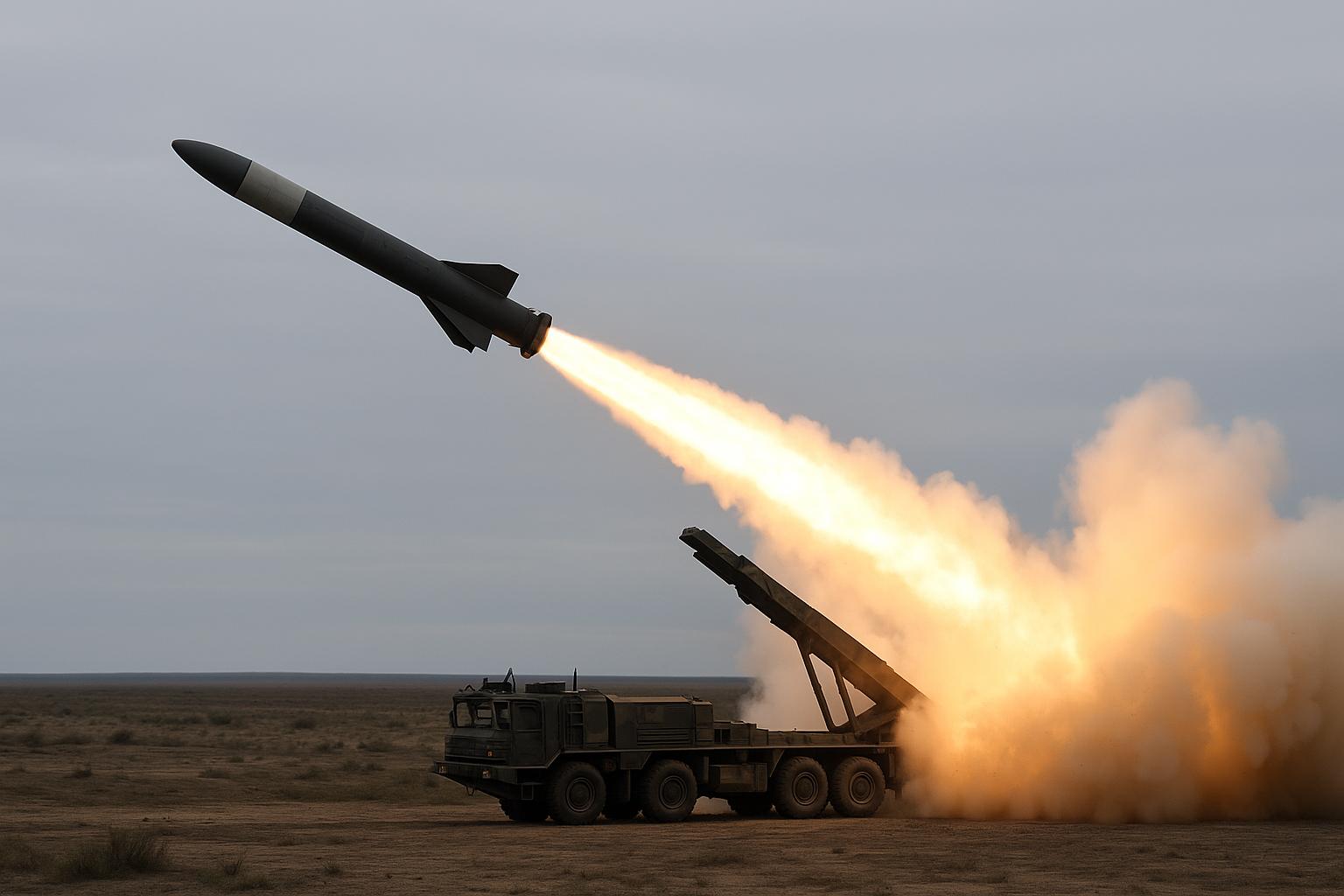
Ukraine’s Foreign Minister Andrii Sybiha has accused Russia of deploying a missile banned under international treaties, saying Moscow’s use of the 9M729 cruise missile — known in NATO terminology as the SSC-8 — represents a serious violation of global arms control commitments and an alarming escalation in the war. The weapon, Sybiha noted, has already been used multiple times against Ukrainian targets, further heightening regional security concerns across Europe.
According to Ukrainian intelligence, Russia has fired the 9M729 missile at Ukrainian territory 23 times since late August, with two earlier incidents recorded in 2022. In one of the most devastating attacks on October 5, a missile reportedly traveled more than 1,200 kilometers before striking the Lviv region, killing four civilians and damaging multiple residential buildings. “Russia’s use of this missile shows complete disregard for international arms control norms,” Sybiha said during a briefing, calling for urgent international attention to what he described as a direct threat to European stability.
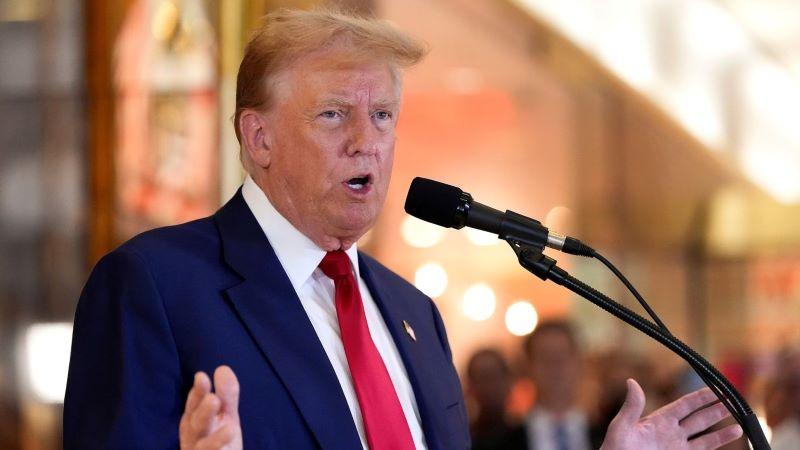
The 9M729 missile is a variant of the Russian Iskander system and has long been at the center of international controversy. The United States had accused Moscow of developing and deploying the weapon in violation of the 1987 Intermediate-Range Nuclear Forces (INF) Treaty, which prohibited land-based ballistic and cruise missiles with ranges between 500 and 5,500 kilometers. Russia denied the allegations, but Washington insisted the 9M729 exceeded the treaty’s range limit, leading then-President Donald Trump to formally withdraw the U.S. from the INF Treaty in 2019. The collapse of the treaty marked a significant setback for decades of arms control efforts between the two nuclear powers.
NATO estimates that the 9M729 can carry either a conventional or nuclear warhead and may have an operational range of up to 2,500 kilometers. Military analysts have warned that its deployment not only deepens the ongoing conflict in Ukraine but also reintroduces a class of weapons that had been effectively banned from Europe for more than three decades. Experts say this move threatens to reignite an arms race and destabilize the balance of deterrence across the continent.
A senior Ukrainian official, quoted anonymously, said Russia began launching the 9M729 missiles on August 21, only days after a high-profile summit between former U.S. President Donald Trump and Russian President Vladimir Putin in Alaska. “Russia’s use of the INF-banned 9M729 against Ukraine demonstrates Putin’s disrespect for the United States and for diplomatic efforts to end the war,” Sybiha remarked, suggesting the missile launches were a deliberate show of defiance.
The Ukrainian government has urged NATO and its allies to take stronger measures in response, arguing that Moscow’s use of prohibited long-range systems violates not only past treaty commitments but also the basic principles of international humanitarian law. Kyiv has also called for the introduction of tighter sanctions on Russia’s defense industry and greater support for Ukraine’s air defense capabilities to counter high-precision threats.
Speaking in Brussels, Ukrainian President Volodymyr Zelensky reiterated that Ukraine has not used any American-supplied long-range weapons on Russian territory, emphasizing that all of Kyiv’s military operations are confined within its own borders or occupied regions. “Russia brought war to our land, and they have to pay for this war,” Zelensky said. He added that Ukraine’s domestically developed systems already have the capability to strike targets at ranges of up to 3,000 kilometers, underscoring that Kyiv does not need to rely on foreign long-range armaments to defend itself.
Western intelligence agencies have reportedly been monitoring Russia’s renewed use of the 9M729, describing it as a strategic signal to both NATO and Ukraine that Moscow retains advanced strike capabilities despite ongoing battlefield losses. The escalation comes as international efforts to restore dialogue over arms control remain stalled, leaving Europe exposed to the re-emergence of intermediate-range missile threats for the first time since the Cold War.
As the war enters another critical phase, Ukraine’s warnings about the use of INF-banned weapons have reignited discussions about global non-proliferation and the fragility of existing security frameworks. For many observers, Russia’s actions mark not only a tactical escalation in its campaign against Ukraine but also a broader challenge to the post-Cold War order that has sought to prevent exactly this kind of nuclear-capable brinkmanship. With tensions deepening, the reappearance of the 9M729 on the battlefield may symbolize the collapse of yet another layer of international restraint in an already volatile global landscape.