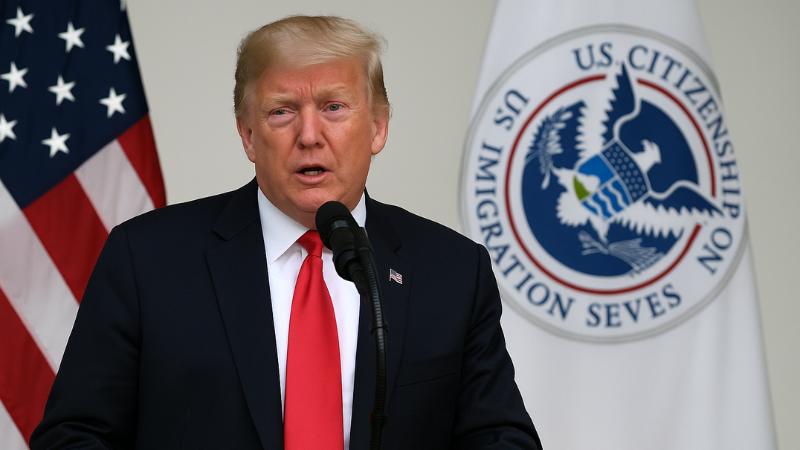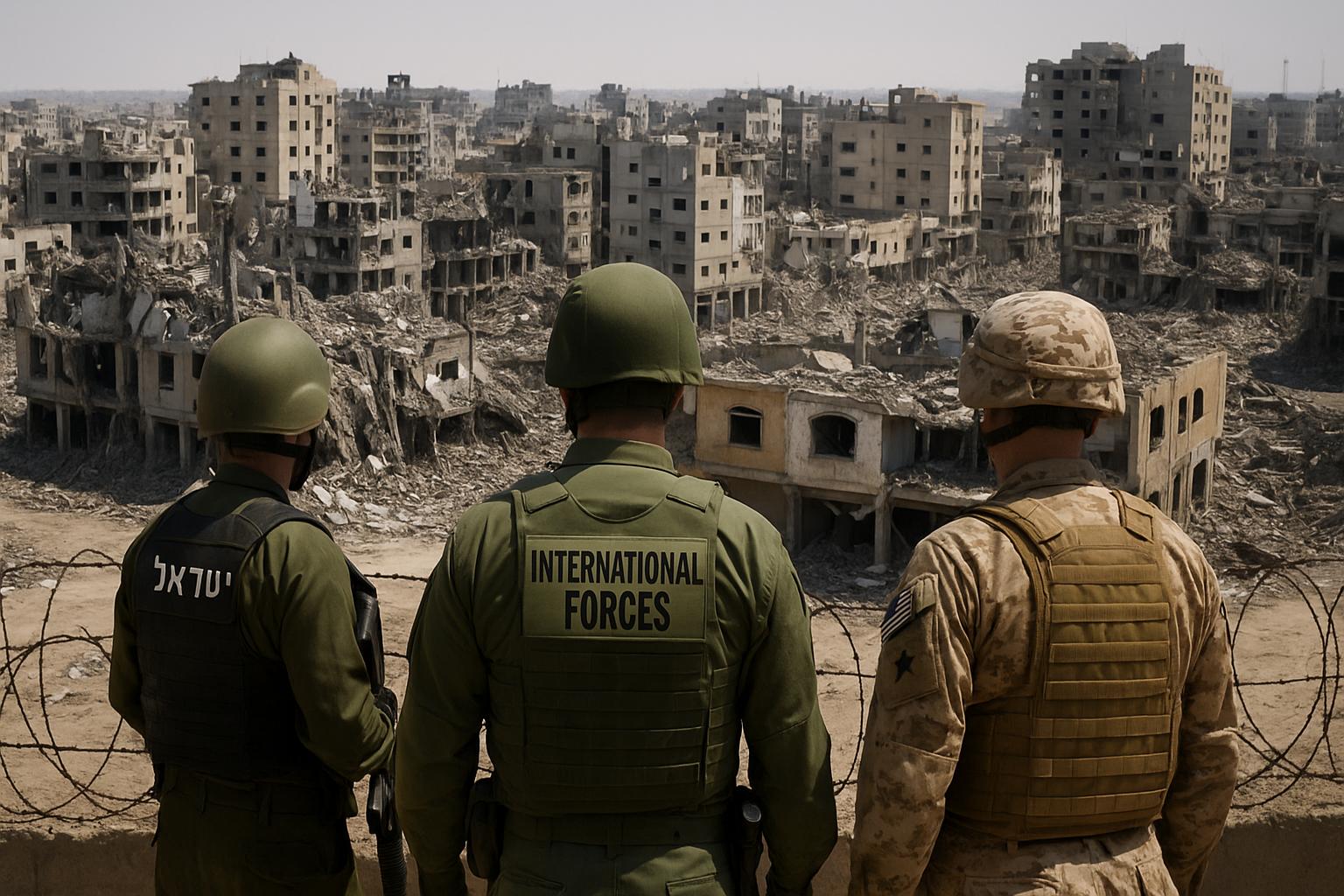
The United States is developing a proposal that would divide Gaza into separate security and reconstruction areas as part of a broader plan connected to an upcoming vote at the United Nations Security Council. The plan, described in military documents referenced by officials familiar with the discussions, outlines a division of the territory into a green zone that would fall under Israeli and international military oversight and a red zone that would remain heavily damaged following months of conflict. The initiative is being presented as a component of US President Donald Trump’s wider peace framework, which is expected to be debated in the Security Council.
According to documents cited by officials, international forces would initially operate alongside Israeli troops in eastern Gaza. The proposed divisions would follow the existing Israeli-controlled yellow line, which already separates areas of military influence within the territory. While US officials have maintained that their approach is grounded in practical considerations, questions persist regarding Washington’s long-term intentions and whether the plan will translate into a durable political arrangement that includes meaningful Palestinian authority. The original announcements from the Trump administration had emphasised eventual Palestinian control, but officials now say that such goals may take years to fully achieve.
An American official involved in the planning process noted that the ultimate objective is to unify the territory, but acknowledged that the current situation makes such outcomes uncertain. The official said that the proposal is aspirational, describing the process as long and complex. Critics have also expressed concern that dividing Gaza into zones could evoke comparisons with earlier US efforts in Afghanistan and Iraq, where similar frameworks failed to produce lasting stability. The scale of destruction in Gaza is another major issue, with more than 80 percent of structures in the territory reported to be damaged or destroyed, including critical infrastructure such as schools, hospitals, and residential areas. Humanitarian groups continue to highlight the urgent need for reconstruction efforts.
The US proposal is rooted in Trump’s 20-point plan, which envisions the establishment of a transitional governing body known as the Board of Peace. Under the plan, member states would be authorised to contribute to a temporary International Stabilization Force, working in coordination with Israel, Egypt, and newly trained Palestinian police units. The force would be responsible for securing Gaza’s borders, overseeing efforts to demilitarise non-state armed groups, and managing the permanent decommissioning of weapons. It would also play a role in supporting humanitarian access and ensuring civilian protection during the reconstruction phase.
A US official said that the first step is the approval of the resolution at the UN Security Council, explaining that international commitments will only be confirmed once countries see the final adopted text. The White House has stated that the United States will not deploy its own soldiers to Gaza, maintaining its position that the responsibility for securing the territory and enabling reconstruction will rest with regional partners and the proposed stabilization force. As discussions move forward, the central challenge remains whether the proposed division and international presence can translate into long-term stability and provide conditions for meaningful political progress.