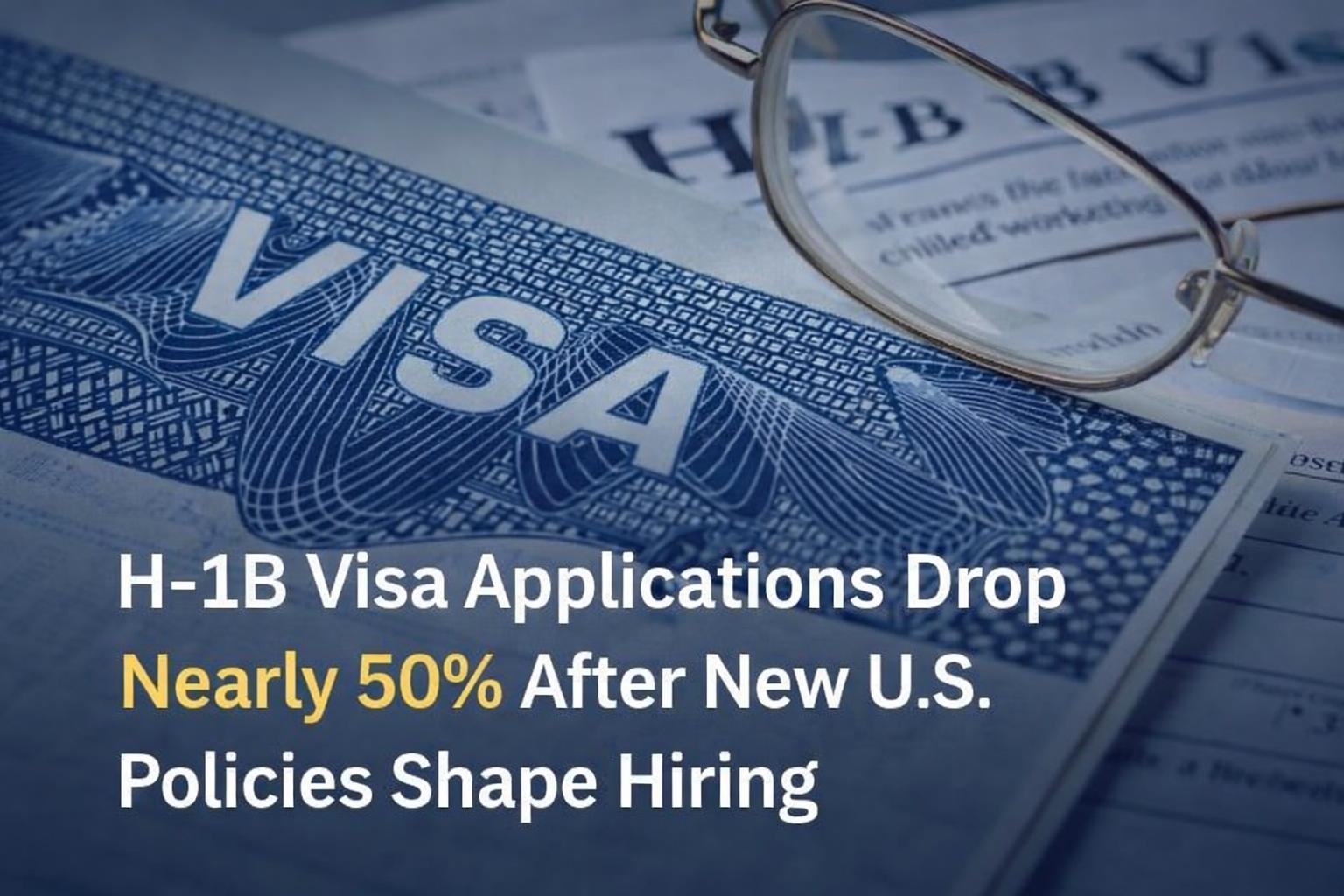
Applications for the H-1B visa program for skilled non-immigrant workers have dropped sharply this year, with immigration experts estimating a decline of nearly 50 percent compared with the previous year. The fall in filings follows significant changes to the US immigration framework that have altered the dynamics of employer participation in the work visa program.
Experts say the decline is linked largely to policy adjustments that introduced a steep increase in registration costs and modified the selection process for applicants. According to immigration professionals tracking the filing trends, the introduction of a $100,000 fee for certain H-1B petition registrations has significantly raised the financial threshold for employers seeking to hire foreign skilled workers. This cost increase, combined with a wage-based selection mechanism, has changed how companies approach recruitment through the H-1B visa pathway.
The wage-based selection model prioritizes applicants with higher salary offers rather than relying solely on the traditional lottery-based process. While the system aims to favor highly paid skilled workers, analysts say it has also reduced participation from employers seeking entry-level talent. Companies that previously relied on the visa program to recruit early-career professionals are now reconsidering their hiring strategies due to the higher financial commitments involved.
The US Citizenship and Immigration Services opened the H-1B registration window for the fiscal year 2026 cycle on March 4, with submissions scheduled to close on March 9. The revised framework has introduced structural changes intended to reshape demand and potentially shift the focus toward higher-skilled and higher-paid positions within the US labor market.
Although authorities have clarified that the increased fee structure does not apply to F-1 international students who transition from student status to H-1B, immigration attorneys note that overall demand for new petitions remains noticeably lower than in previous cycles. The combination of rising costs, stricter selection criteria, and evolving employer strategies appears to be reshaping the role of the H-1B visa in global talent mobility.
Observers say the coming months will provide clearer insight into whether the policy changes represent a temporary slowdown or a long-term shift in how US companies recruit foreign professionals through the H-1B visa program.