US Immigration 2026: What Changed and Why It Matters
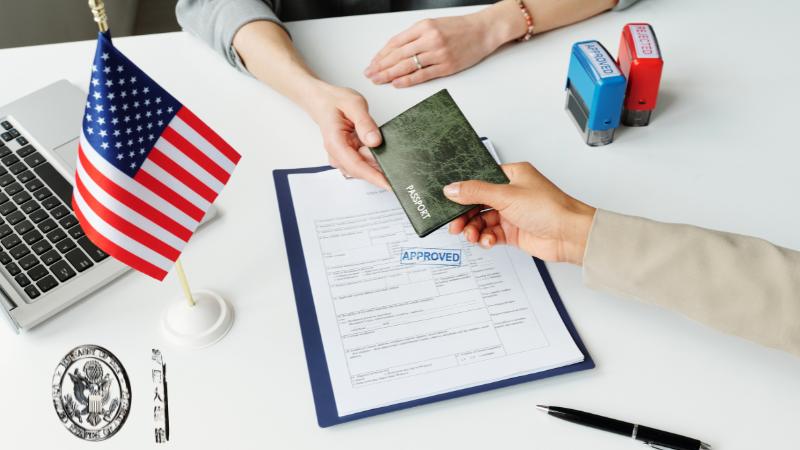
US immigration updates in 2026 are causing visa delays, stricter EAD rules, and longer green card wait times. Officials say these changes aim to tighten oversight—but applicants are feeling the impact immediately.
Visa Delays and Green Card Backlogs Grow
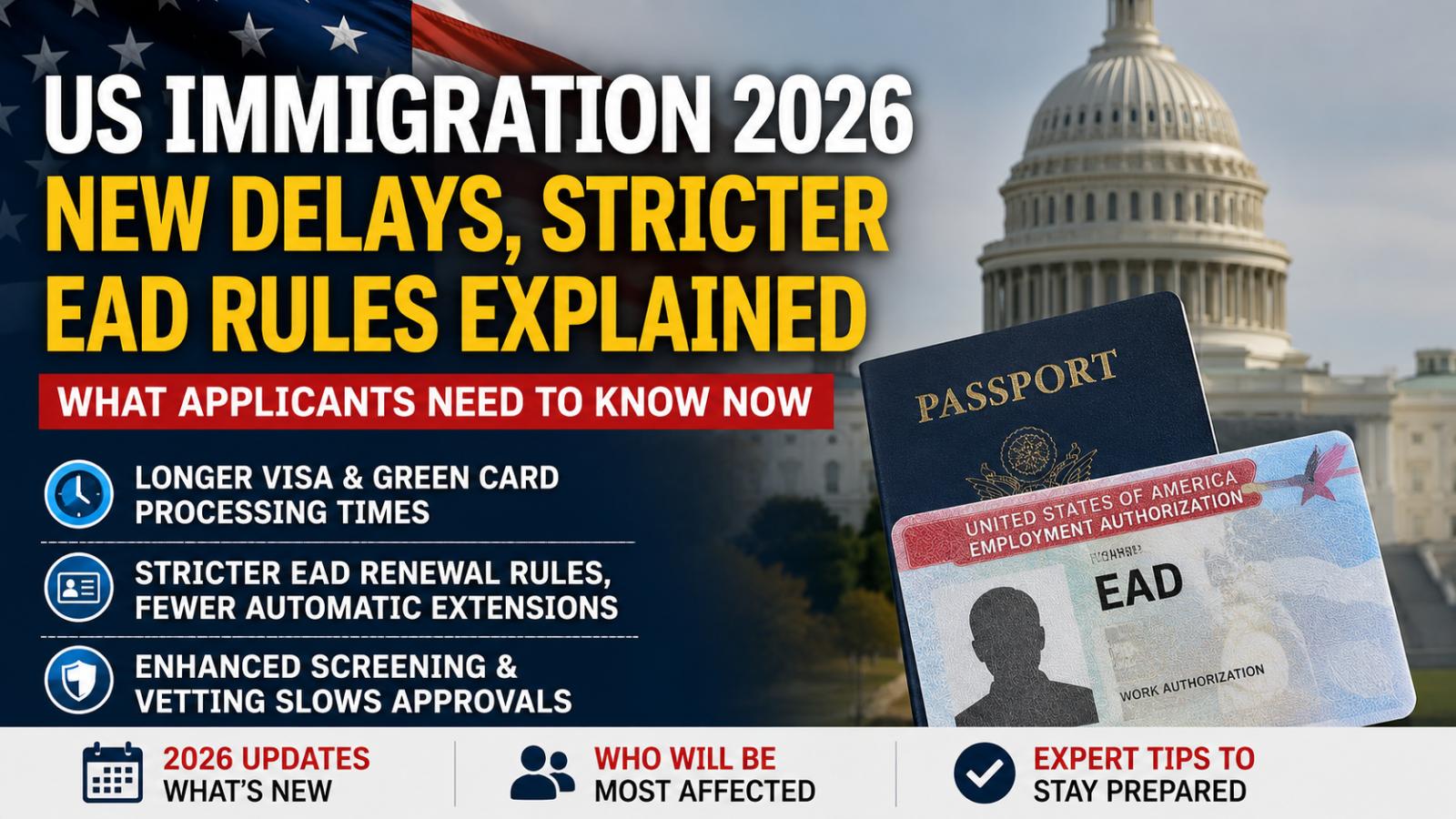
Processing times have slowed across multiple visa categories as USCIS enforces stricter use of Final Action Dates. This means many applicants cannot proceed with green card filings even if they qualify. High-demand countries continue to face the longest waits, with backlogs stretching further into 2026.
Stricter EAD Rules Impact Work Authorization
Work permit renewals are now more restrictive. Reduced automatic extensions mean some applicants risk losing legal work status if approvals are delayed. Immigration experts warn that EAD gaps could affect thousands of workers relying on timely renewals.
What about asylum applicants?
Proposed changes indicate longer wait times for asylum-based work permits, adding pressure on individuals already in uncertain situations.
Increased Screening Slows Processing
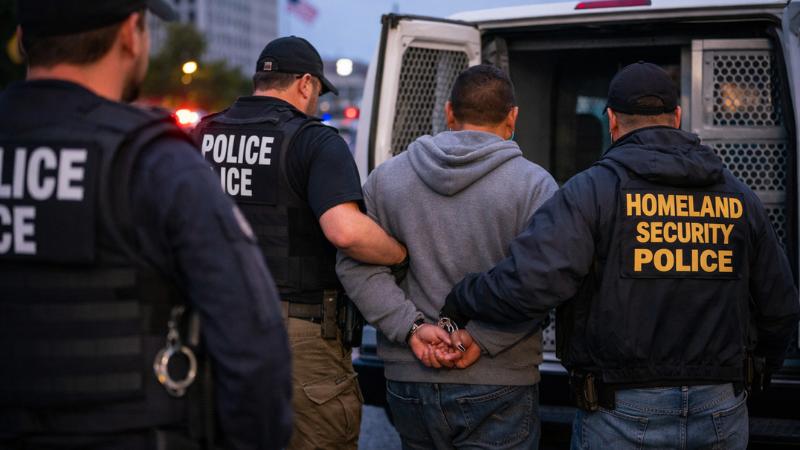
Federal agencies have expanded vetting procedures to strengthen system integrity. While officials say this improves security, it is also contributing to slower approvals across visa types.
What Applicants Should Do Now
With USCIS delays and evolving rules, applicants are advised to file early, track visa bulletin updates closely, and prepare for longer processing timelines. Experts stress that planning ahead is now critical in navigating the 2026 immigration system.
The bottom line: the system isn’t changing structurally—but delays and stricter rules are redefining the applicant experience.