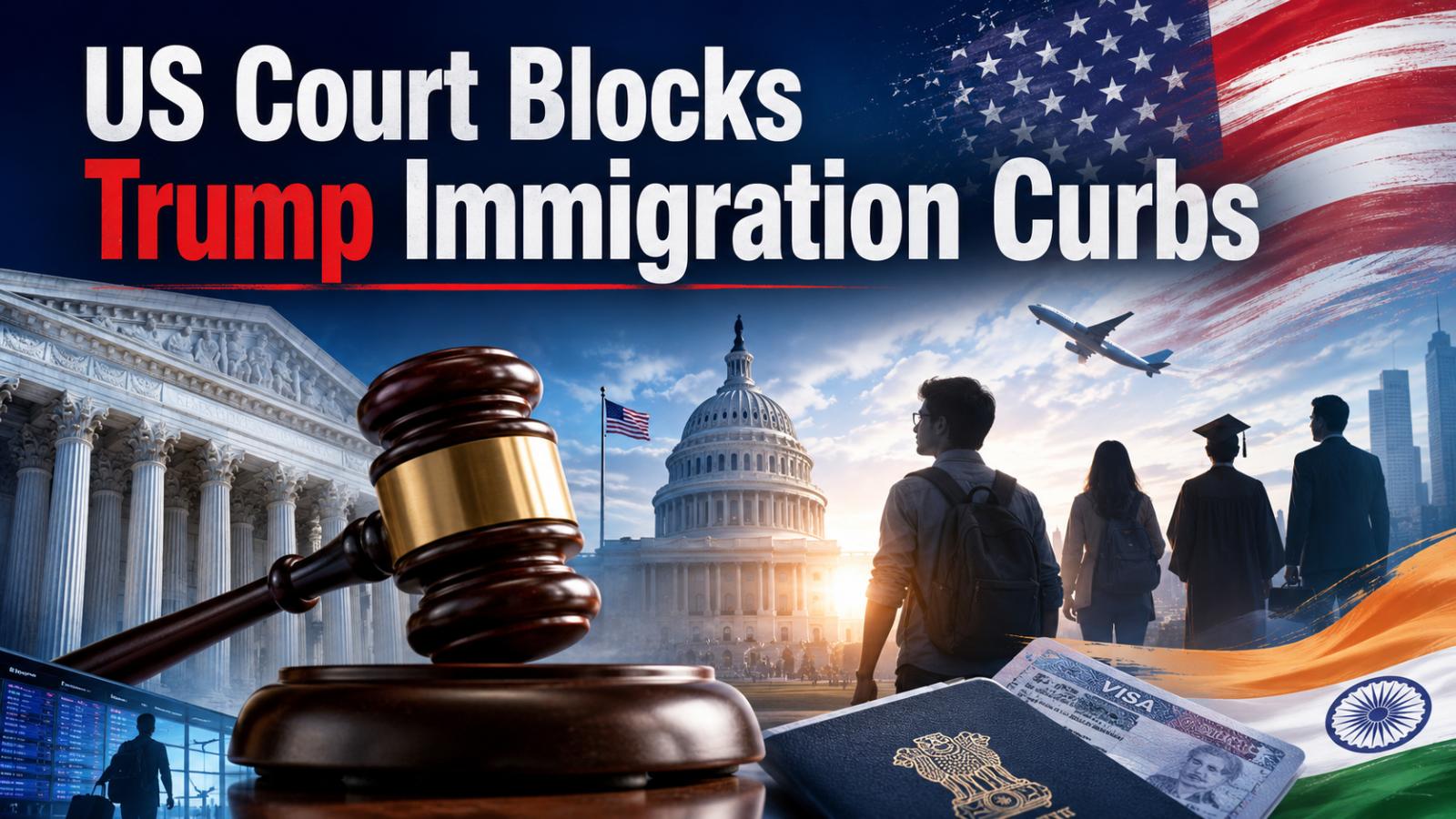
A recent US federal court ruling has brought temporary relief to many immigrants affected by strict immigration restrictions introduced by President Donald Trump’s administration. The court blocked immigration curbs that had slowed or paused several applications, including asylum cases, work permits, green cards and citizenship-related processes for people from 39 countries.
India was not part of the restricted country list. So, Indian citizens do not receive direct relief from this order. But the ruling is still important for Indian students, H-1B workers, green card applicants and families living in the United States because it sends a clear message: immigration cases cannot be delayed or stopped only because someone belongs to a particular nationality.
What Did the Court Say?
District Judge John McConnell ruled that the government cannot use nationality alone as a reason to delay immigration applications. The court found that broad restrictions targeting people from selected countries were unlawful.
The decision came after immigration processing was tightened following the shooting of two National Guard members in Washington on November 26, 2025. An Afghan immigrant was accused in the case. After the incident, the administration introduced tougher immigration actions and placed restrictions on applicants from several countries across Africa, Asia, Latin America and the Middle East.
The court’s ruling now blocks those restrictions, at least for the time being.
Which Immigration Processes Were Affected?
The restrictions had created delays or pauses in several immigration-related applications. These included:
Asylum applications
Work permit applications
Green card processing
Citizenship applications
Certain immigration benefit requests
For many applicants from the listed countries, the policy had created uncertainty and fear. People who were already waiting for legal status, employment authorization or permanent residency were left unsure about their future.
The court decision gives them temporary relief by stopping the government from applying these nationality-based delays in a blanket manner.
Is India Directly Affected by This Ruling?
No. India was not included among the 39 restricted countries. That means Indian applicants are not directly covered by this court order.
For Indian citizens, existing immigration problems remain the same. These include:
Long green card wait times
H-1B job-change anxiety
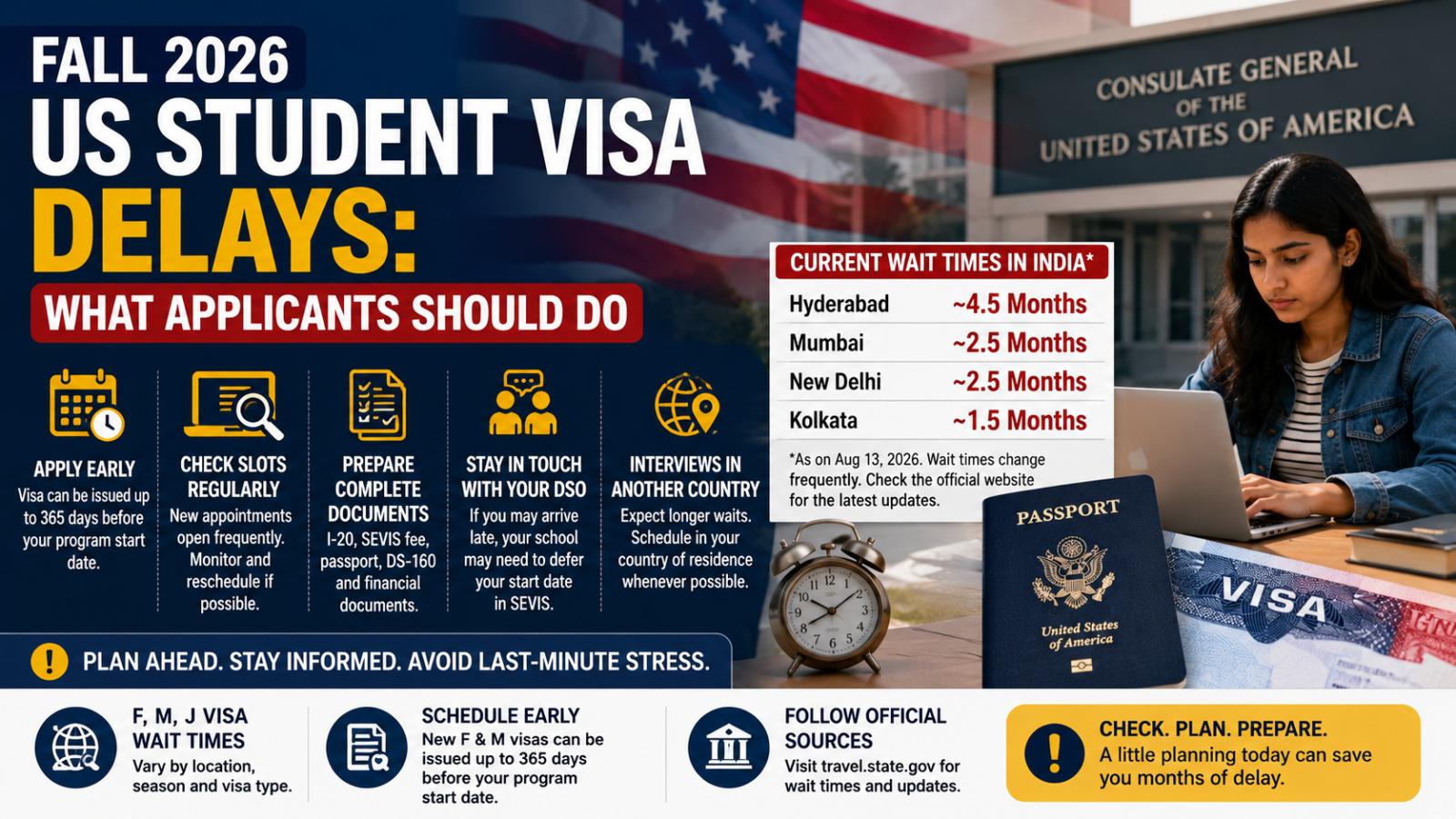
US visa appointment delays
Student visa uncertainty
Work permit processing delays
Family-based immigration backlogs
So, this ruling does not suddenly speed up green card processing for Indians. It does not remove H-1B restrictions. It does not solve student visa delays. It also does not change the long employment-based green card backlog faced by many Indian professionals.
Why This Ruling Still Matters for Indians
Even though India is not directly included, the judgment matters because of the legal principle behind it.
The court has made it clear that the government cannot simply pause immigration applications for large groups of people based only on nationality. This could become important if similar broad restrictions are introduced in the future.
For Indian students, H-1B workers and families waiting for green cards, this gives a small but meaningful legal signal. It shows that courts may step in when immigration rules are applied too broadly or unfairly.
This is why many immigrants are watching the case closely, even if they are not directly part of the affected group.
Impact on Indian Students in the USA
Indian students in the United States are already dealing with many concerns. These include visa interview delays, uncertainty around Optional Practical Training, job market pressure and future H-1B sponsorship challenges.
This ruling does not directly change student visa rules. But it gives some confidence that sudden and broad immigration restrictions can be challenged in court.
For students planning higher education in the USA, the message is mixed. The US remains a major destination for Indian students, but immigration policy can shift quickly depending on political decisions. Students should stay updated, keep documents ready and avoid depending only on verbal assurances from universities or consultants.
Impact on H-1B Workers
For H-1B workers from India, the ruling does not bring direct benefits. H-1B visa holders still face job security concerns, strict documentation requirements, transfer risks and long waits for permanent residency.
However, the court’s decision may help reduce fear of extreme blanket restrictions in the future. If the government tries to delay or stop applications based only on nationality or broad categories, such moves may face legal challenges.
That said, Indian H-1B workers should not treat this ruling as protection from all immigration risks. Job loss, employer compliance issues, visa stamping delays and green card backlogs remain serious concerns.
Impact on Green Card Applicants
Indian green card applicants face one of the longest waits in the US immigration system, especially in employment-based categories. This court decision does not shorten that wait.
But it does support the idea that immigration applications should be processed based on law and individual eligibility, not broad nationality-based assumptions.
For families waiting for permanent residency, this is not a direct solution. It is more of a legal safeguard against unfair mass delays.
What Happens Next?
The Trump administration may challenge the ruling. If an appeal is filed, the case could continue in higher courts. That means immigration policy may remain uncertain for affected applicants.
For now, the ruling acts as a roadblock against broad immigration curbs. But immigrants should be careful. A court order can provide relief, but it does not always end the matter permanently.
Applicants should continue tracking official immigration updates, maintain proper records and consult qualified immigration attorneys before making major decisions.
What Indians Should Take Away ?
Indian citizens are not directly covered by this ruling because India was not part of the restricted country list. But the decision still matters because it limits the government’s power to delay immigration cases in a broad and nationality-based manner.
For Indian students, H-1B workers, work permit applicants and green card families, this is not a complete victory. It does not fix visa delays or green card backlogs. But it does offer some hope that courts can challenge sudden immigration restrictions when they go too far.
The practical message is simple: this ruling is not direct relief for Indians, but it is a positive legal signal for the immigrant community in the United States.