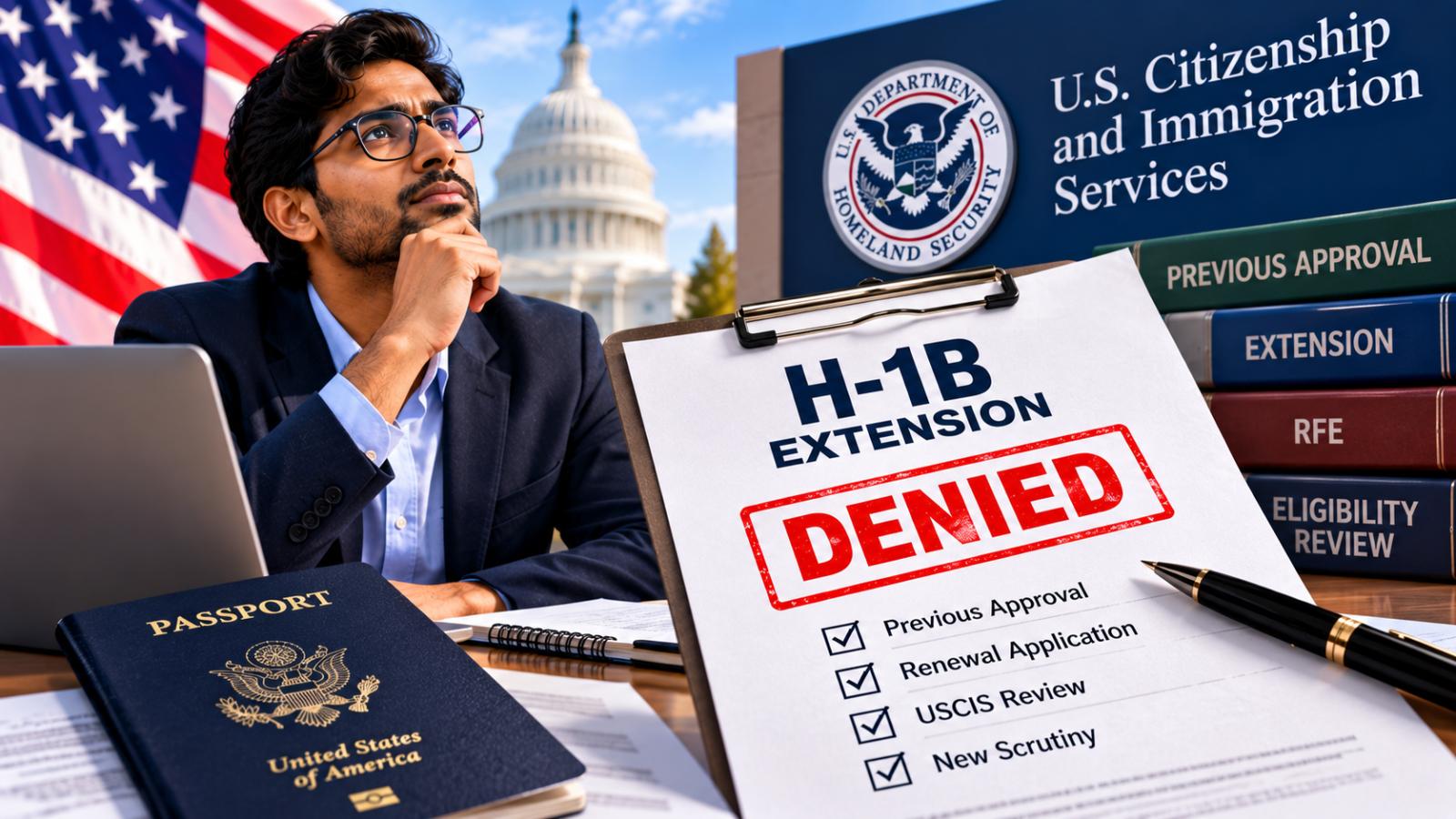
: Can USCIS Deny an H-1B Extension After Previous Approval?
Primary Keyword: H-1B extension denial
Long-Tail Primary Keyword: Can USCIS deny an H-1B extension after previous approval
Secondary Keywords: USCIS previous approval, H-1B extension denial reasons, H-1B deference policy, H-1B renewal eligibility, H-1B extension RFE
Related Keywords: Form I-129, H-1B visa renewal, petition denial, material changes, specialty occupation, immigration status, employer sponsorship, USCIS eligibility review
SEO Keywords String:
H-1B extension denial, USCIS previous approval, H-1B renewal, deference policy, visa extension reasons, Form I-129, RFE, employer sponsorship, US immigration
Meta Description:
Can USCIS deny an H-1B extension after previous approval? Learn why renewals may be rejected, how deference works and what Indian workers should know.
Overview:
An H-1B extension denial can occur even after USCIS previously approved a worker's petition. Understanding the reasons for rejection, the role of earlier approvals and possible next steps can help Indian professionals and sponsoring employers prepare for visa renewals.
Tags:
h1bvisa, h1bextension, h1bdenial, uscis, usimmigration, indianworkers, visarenewal, h1bdeference, immigrationpolicy
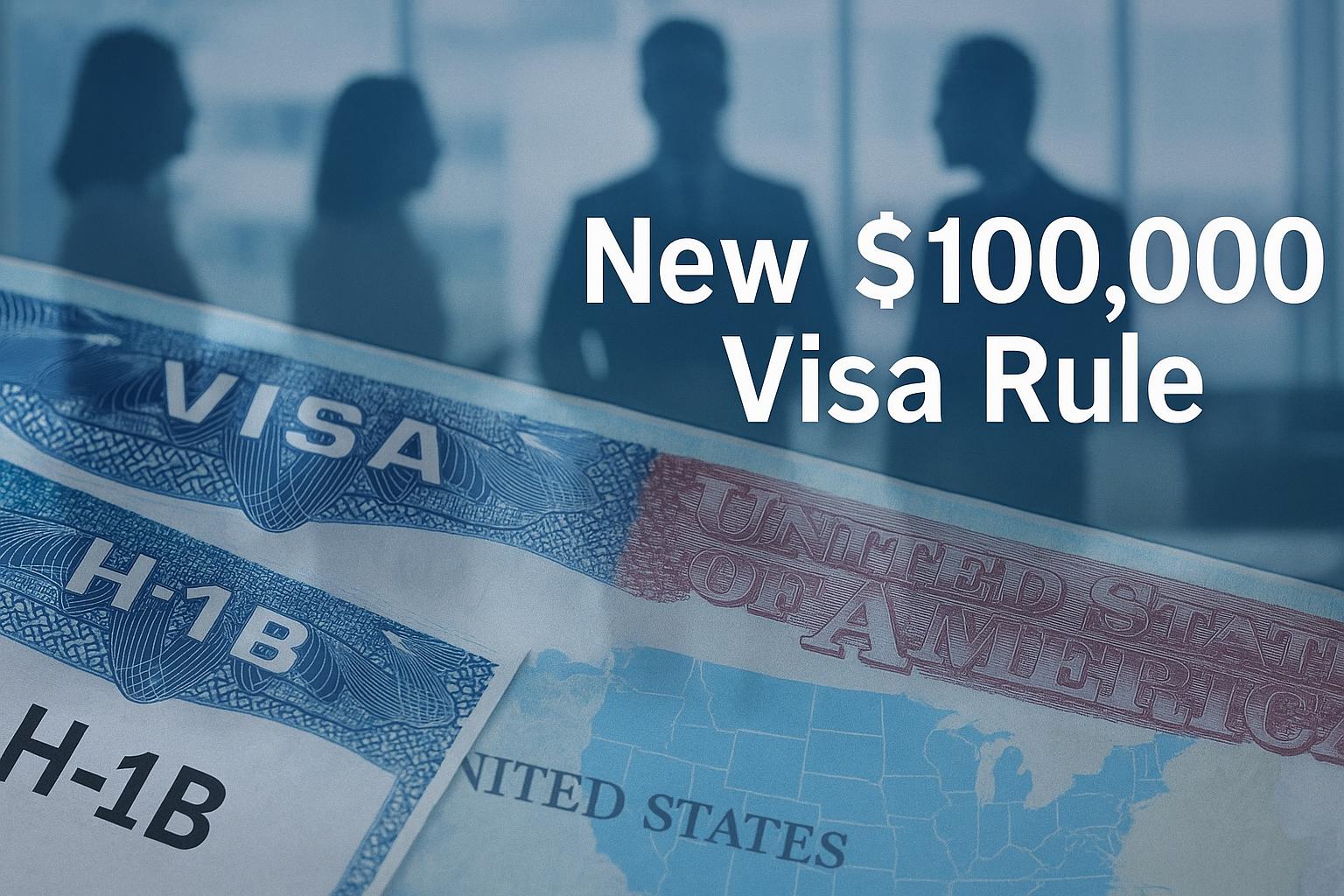
An H-1B extension can be denied by U.S. Citizenship and Immigration Services (USCIS) even if the worker previously received approval. An earlier decision does not guarantee that a new petition will meet all immigration requirements.
For Indian professionals working in the United States, understanding how USCIS reviews extension requests is essential when planning continued employment.
Why can USCIS deny an H-1B extension?
USCIS evaluates whether the employer and employee continue to satisfy H-1B eligibility requirements.
An extension may be denied when the employer cannot establish that the position qualifies as a specialty occupation, the worker meets the job requirements, or the employment arrangement complies with applicable regulations.
Material changes in job duties, employment conditions or previously submitted information can also lead to closer examination.
Does previous USCIS approval protect an extension?
Under the existing H-1B deference policy, USCIS generally gives weight to earlier eligibility decisions involving the same employer, worker and underlying facts.
However, officers may reconsider previous determinations when there is a material error, a significant change in circumstances or new material information affecting eligibility.
Deference does not eliminate the employer's responsibility to demonstrate continued eligibility.
What happens when USCIS issues an RFE?
A Request for Evidence (RFE) is not a denial. It means USCIS requires additional information before making a decision.
The agency may request evidence concerning job responsibilities, educational qualifications, employment arrangements or other eligibility requirements.
Employers must respond within the stated deadline. USCIS then evaluates the submitted evidence before deciding the petition.
What happens after an H-1B extension denial?
A denied extension can affect a worker's ability to remain employed and maintain lawful immigration status.
The consequences depend on factors including the expiration of the previous approval, the worker's authorized stay and whether another valid immigration basis exists.
Employers may have options to challenge a decision through appropriate motions or other available procedures. Workers should obtain case-specific immigration advice before making employment or travel decisions.
Could proposed H-1B rule changes affect renewals?
On Wednesday, October 14, 2026, the Department of Homeland Security proposed removing mandatory deference to previous USCIS eligibility decisions.
If finalized, the change could allow officers to reassess extension petitions without starting from a presumption that earlier approvals should receive deference.
The proposal is open for public comments through November 13, 2026. Until a final rule takes effect, the existing deference requirement remains applicable.
For H-1B workers and sponsoring employers, accurate documentation and continued compliance remain central to securing extension approvals.