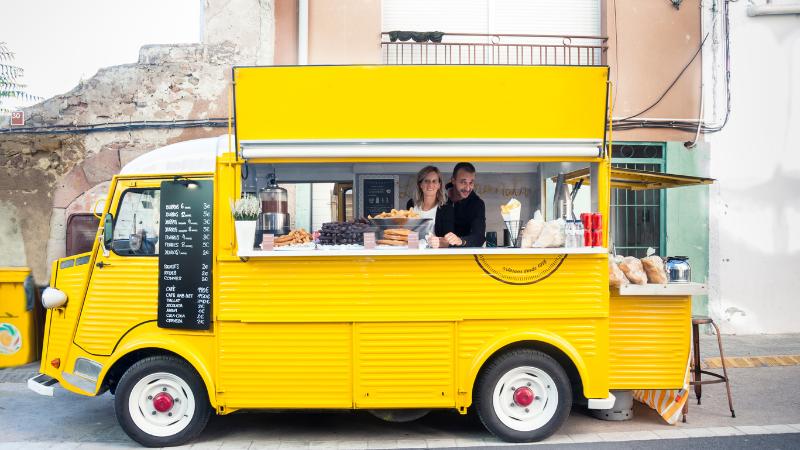
Over the past decade, Indian street food trucks have surged in popularity across the United States. Once limited to ethnic neighborhoods and South Asian communities, these vibrant and flavorful food trucks are now regulars at major food festivals, downtown hubs, university campuses, and even corporate parks. Their appeal cuts across cultural and generational lines, as Americans of all backgrounds are drawn to their bold flavors, affordability, and exotic charm.
A Culinary Shift on Wheels
The food truck culture in the USA is not new. However, Indian street food trucks have brought a unique twist to the trend. Unlike traditional American fast food, Indian street food is diverse, colorful, and rich with spices. Dishes like chaat, dosas, pav bhaji, samosas, vada pav, and kebabs have become sought-after menu items. Many trucks now also offer fusion options such as tikka masala burritos, masala fries, butter chicken tacos, and paneer quesadillas making them more accessible to Western palates.
Indian food's natural adaptability and wide vegetarian offerings are key to its food truck success. With the rising demand for plant-based diets, Indian food trucks effortlessly cater to vegan, gluten-free, and vegetarian customers without compromising taste or authenticity.
Why Indian Street Food Trucks Are Gaining Momentum
Several factors are driving this trend:
-
Affordability and Accessibility: Street food is inherently affordable, and food trucks eliminate the overhead of a traditional restaurant. This keeps prices low and allows customers to enjoy gourmet-style Indian meals without breaking the bank.
-
Portability of Indian Dishes: Items like wraps, rolls, dosas, and chaat are ideal for quick service and easy takeaway, perfectly suited for food truck logistics.
-
Cultural Curiosity: As Americans become more adventurous with food, Indian cuisine—with its complex spices, regional variety, and distinct textures—has become a go-to option for those seeking new culinary experiences.
-
Indian Entrepreneurs and Immigrants: Many Indian-Americans have turned to food trucks as a way to start small, test their recipes, and introduce their culture through food. The success stories of food trucks like Curry Up Now (California), NaanStop (Atlanta/Los Angeles), and Bombay Food Junkies (St. Louis) have inspired a new generation of culinary entrepreneurs.
The Role of Technology and Social Media
Digital tools and platforms have also played a big role. Most Indian food trucks actively use social media (Instagram, Facebook, TikTok) to showcase their daily locations, promote new menu items, and engage with customers. Food delivery apps and location tracking tools make it easy for users to find the truck nearest to them. Beautifully photographed dishes and behind-the-scenes content from chefs keep followers engaged and coming back.
Community, Festivals, and Cultural Events
Indian street food trucks are not just about convenience they are community builders. They are regulars at Indian festivals like Diwali, Holi, and Navratri, as well as multicultural fairs, movie nights, and weekend bazaars. Some trucks even offer catering for Indian weddings and private events, further expanding their influence.
At these events, food trucks become cultural ambassadors. Non-Indians attending these festivals get to enjoy flavorful Indian dishes, often for the first time, without stepping into a restaurant. It is this combination of novelty, flavor, and experience that makes Indian food trucks memorable.
Despite their popularity, food truck owners face several hurdles:
-
Licensing and permits vary by city and are often expensive and restrictive.
-
Parking limitations and zoning rules make operating in high-traffic areas difficult.
-
Maintaining consistency in quality, especially in small kitchens, is challenging.
-
Ingredient sourcing, especially for authentic Indian spices and regional ingredients, requires careful planning and vendor management.
Still, passionate food truck owners find ways to adapt often by creating smaller, smarter menus, partnering with local farmers, and innovating around prep techniques.
🔖 Explore More
10 Must-Try Indian Street Foods in the USA
Meal Subscription Boxes Featuring Indian Cuisine for Easy & Authentic Home Dining
Top 10 Indian Fusion Foods Taking Over America
Discover the best places to eat and drink in your city through our top picks for Food & Dining