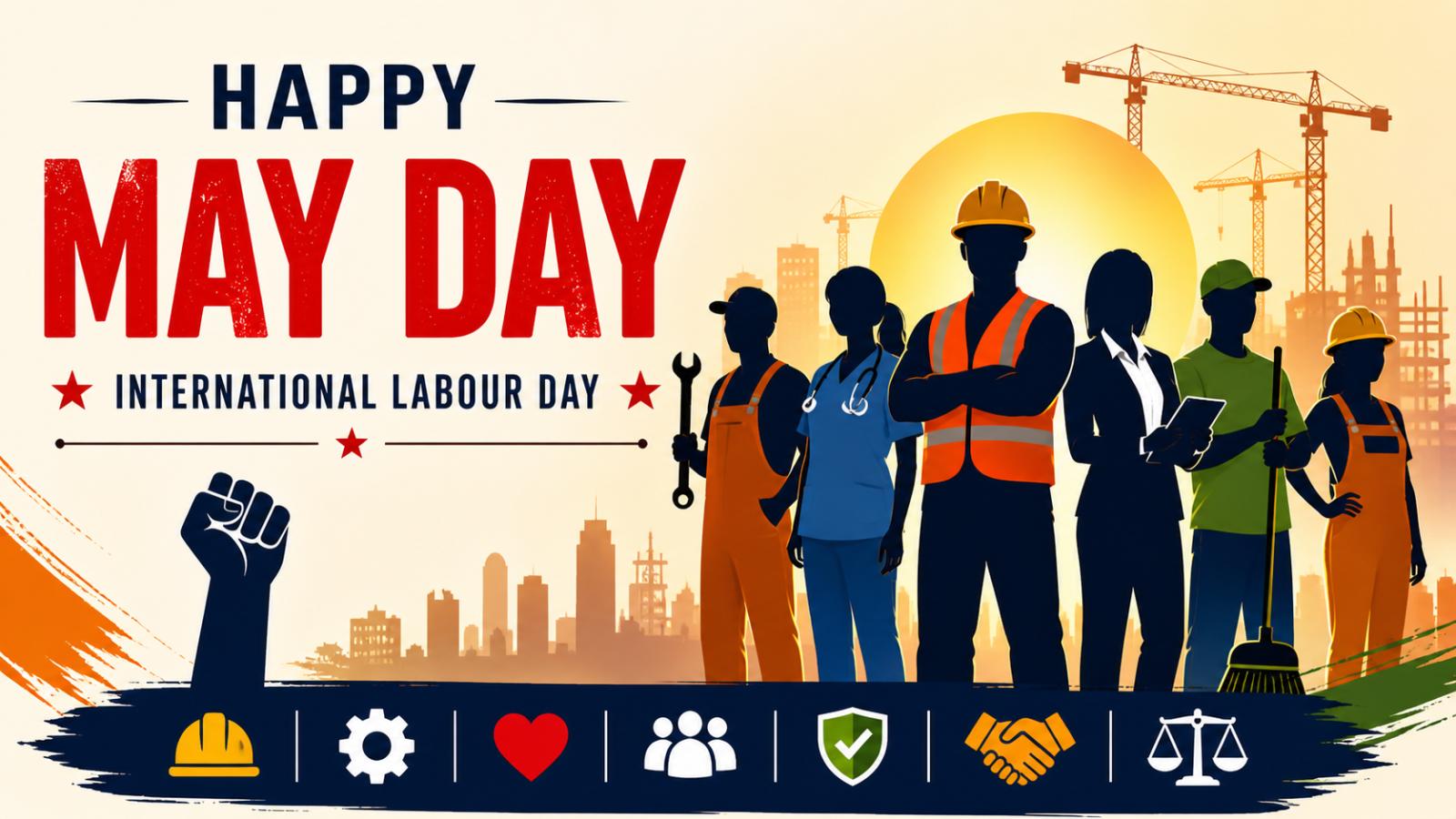
May Day 2026, also known as International Labour Day, is observed globally on May 1 to recognize the contribution of workers in building economies and societies. It is not just a symbolic celebration but a reminder of the struggles, sacrifices, and ongoing demands of the working class. In India, the day is marked by rallies, union meetings, and public discussions focusing on fair wages, safe working conditions, and social justice. While many treat it as a holiday, the deeper purpose lies in evaluating whether workers today are truly benefiting from the progress they helped create.
Historical Background and Global Relevance
The roots of May Day go back to the Haymarket Affair in Chicago, where workers protested for an eight-hour workday. That movement reshaped labor laws worldwide and laid the foundation for modern worker rights. Over time, May Day evolved into a global platform for workers to demand dignity, equality, and legal protection. Despite these historical gains, many of the original issues—long hours, unsafe conditions, and unfair pay—still persist in different forms across countries, especially in developing economies.
May Day 2026 Theme and Its Meaning
The
International Labour Organization has declared the 2026 theme as “Ensuring a Healthy Psychosocial Working Environment.” This reflects a major shift in focus from physical safety alone to mental well-being in workplaces.
- Emphasis on reducing stress, burnout, and workplace anxiety
- Need for policies addressing harassment and discrimination
- Encouragement of work-life balance and flexible work structures
- Recognition that productivity should not come at the cost of mental health
This theme exposes a critical gap—while companies talk about employee wellness, many still operate in ways that increase pressure and reduce job satisfaction.
Importance of May Day in India
In India, May Day carries unique significance due to the size of its informal workforce. Millions of workers in sectors like construction, agriculture, and domestic work lack job security and legal protection.
- Informal workers often do not receive minimum wages or benefits
- Migrant workers face unstable employment and poor living conditions
- Social security systems are limited or inaccessible for many
- Awareness exists, but enforcement of labour laws remains weak
This highlights a hard truth: progress in labour rights is uneven, and large sections of the workforce are still left behind.
How May Day is Celebrated
May Day celebrations in India and across the world are a mix of awareness and activism.
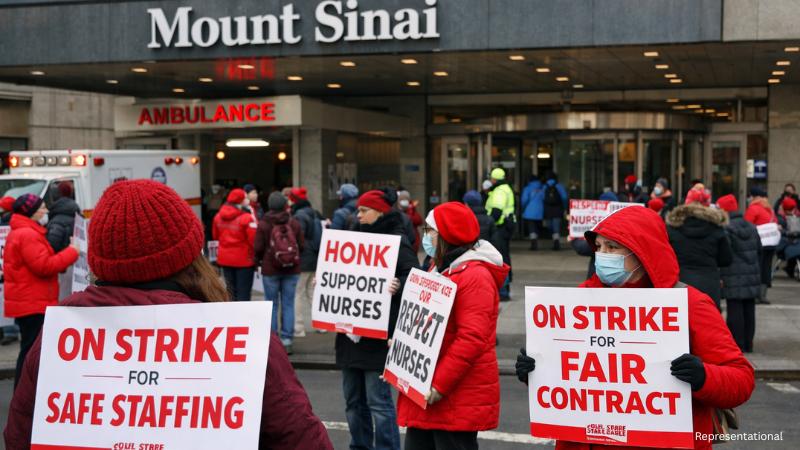
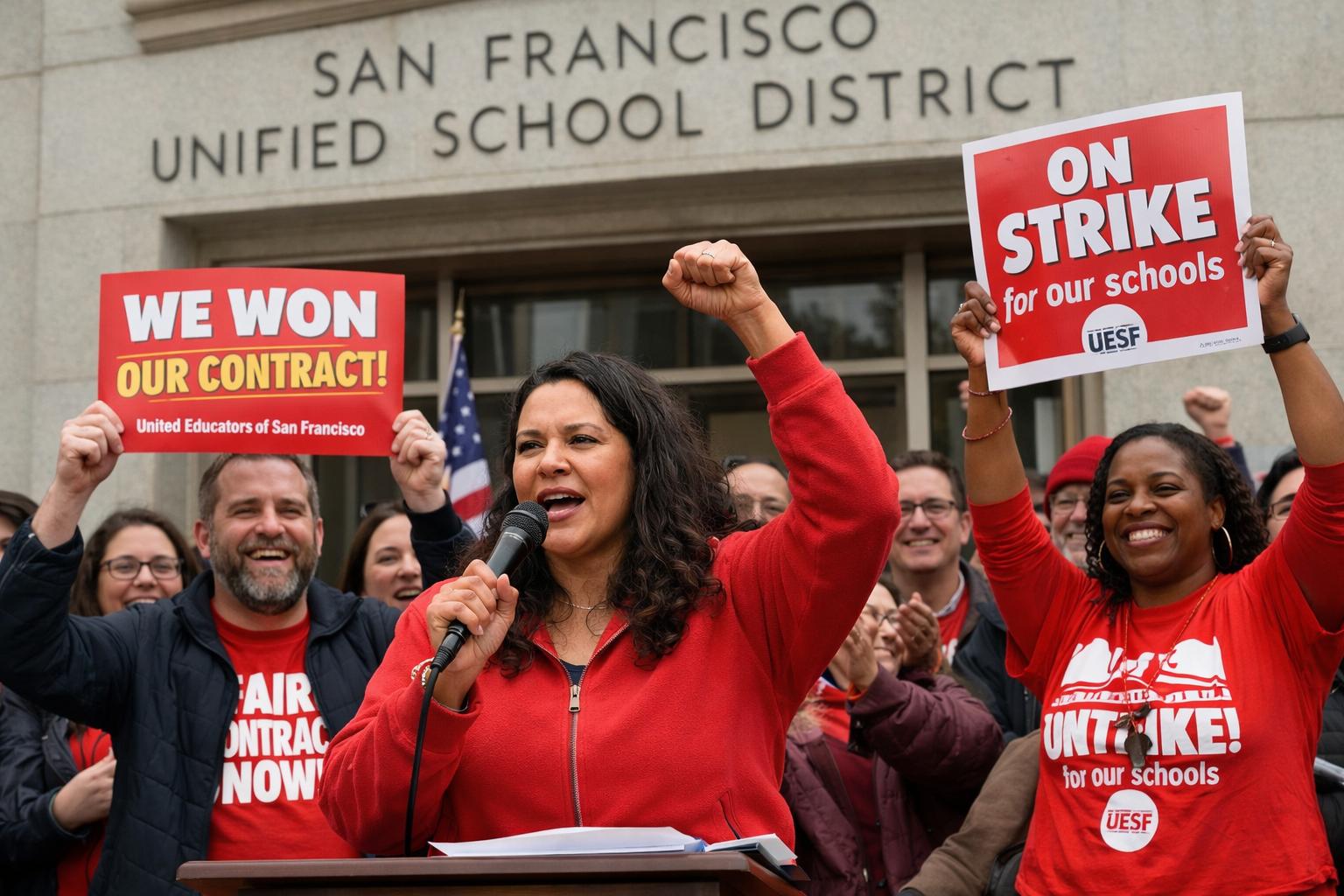
- Trade unions organize marches and protests
- Public speeches highlight labour issues and policy gaps
- Campaigns are run to support worker welfare and rights
- Governments announce reforms or initiatives, though impact varies
These activities create visibility, but without consistent follow-through, they risk becoming routine rather than impactful.
Key Challenges Workers Still Face
Despite decades of labour reforms, several critical issues remain unresolved:
- Wage inequality across sectors and regions
- Lack of mental health support in workplaces
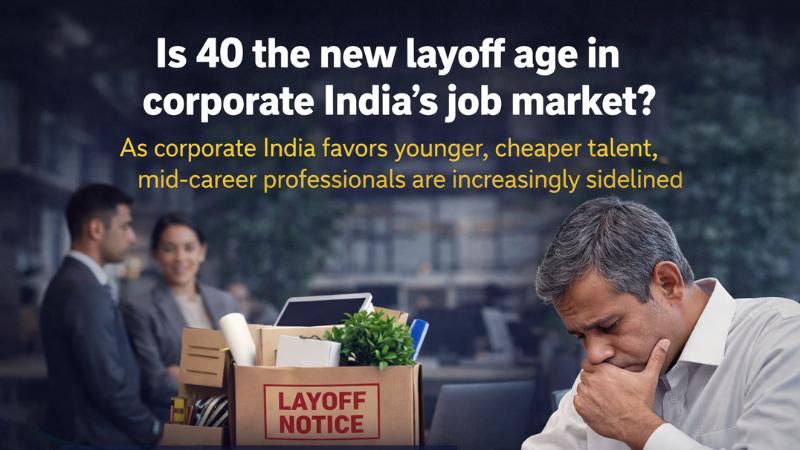
- Job insecurity due to contract and gig-based employment
- Poor enforcement of safety regulations
- Exploitation in unorganized sectors
These challenges suggest that while the nature of work has evolved, worker struggles have simply taken new forms.
Why May Day Still Matters Today
May Day is no longer just about celebrating workers—it is about questioning systems. It forces governments, businesses, and society to examine whether economic growth is inclusive or exploitative. The 2026 theme makes it clear that worker well-being is not limited to physical safety but includes emotional and psychological health.
The uncomfortable reality is this: awareness alone does not change conditions. Unless policies are enforced and accountability is maintained, May Day risks becoming symbolic rather than transformative. The real value of this day lies in pushing for measurable change, not just repeating familiar slogans.