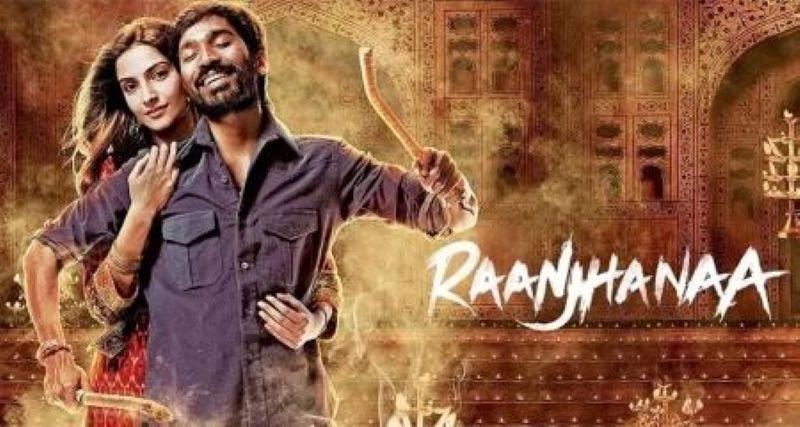
The iconic 2013 film Raanjhanaa, known for its tragic yet powerful portrayal of unrequited love and Kundan’s (played by Dhanush) emotional journey, recently faced a controversial change. In an AI-altered re-release of the film, Kundan's death, one of the most poignant moments in the movie, was replaced with a happy ending where he survives, waking up in the hospital surrounded by his loved ones. The altered ending has sparked a significant debate about the role of AI in filmmaking, particularly when it comes to altering a director’s original vision.
In the original film, Kundan’s death and his final monologue – Par sala ab uthe kaun? Kaun phirse mehnat kare dil lagane ko, dil tudwane ko (But who will wake up now? Who will work hard again to get attached to someone and suffer a heartbreak?) – left audiences teary-eyed, emphasizing the pain and depth of his obsession. The moment was real, raw, and tragic, but it was also incredibly beautiful in its sadness.
However, the new AI-generated version of Raanjhanaa changes this by giving Kundan a second chance, removing the very essence that made the film resonate deeply with audiences. The decision to alter the ending has raised questions about the integrity of storytelling in cinema, with many arguing that the director’s original vision should be protected.
Director Aanand L Rai, who originally helmed Raanjhanaa, voiced his objections upon learning about the AI-generated change. He was unaware of the new version until it was announced on social media. Rai contacted Eros International, the producers of the film, expressing his concerns over the alterations. In an interview, he stated, “I just can’t wrap my head around this. It’s an ending people have loved, and changing it disregards the very soul of the film.” Rai even requested that his name be removed from the altered version of the film, showing his discontent with the decision.
The filmmaker’s frustrations bring to light a larger issue: who owns a film once it’s been released? Can studios legally change the ending of a film years after its release without consulting the director who created it? While studios may argue that they have the right to manipulate content, such changes raise ethical questions about artistic freedom and creative control.
Dhanush, who portrayed Kundan, also expressed his dissatisfaction with the new version of the film. He took to social media to voice his concerns, stating that the altered ending “stripped the film of its very soul.” Dhanush emphasized that Raanjhanaa was a film he committed to twelve years ago, and changing its essence through AI felt wrong.
This sentiment reflects broader concerns within the industry. If AI-generated endings become a trend, iconic films like Titanic could also face such modifications. Imagine if Jack had survived the cold waters of the Atlantic, or if other tragic endings in cinema were altered to make the audience feel “better.” Would these changes still hold the same emotional weight?
The controversy over the AI-edited Raanjhanaa ending represents a broader concern: the erosion of the emotional core in cinema. Movies like Raanjhanaa and Titanic are beloved because they present raw, unfiltered emotions that reflect the complexities of life. By turning these moments into feel-good scenarios, the true power of storytelling is diluted.
If filmmakers are no longer in control of their creations, and studios can alter endings based on audience demand or AI predictions, the entire landscape of cinema could change. What makes a story powerful is often its ability to move us—whether through joy or sorrow. Rewriting endings for the sake of happiness could deprive us of these emotional journeys, ultimately weakening the impact of cinema.