Plot:
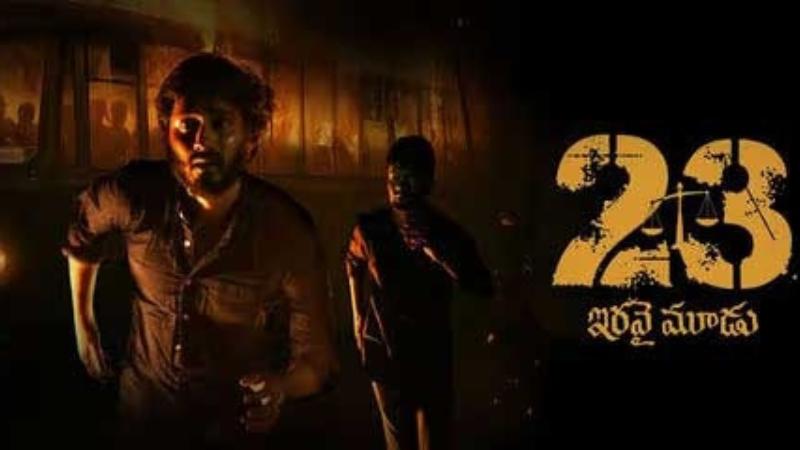
The film is inspired by three real-life tragedies that occurred in erstwhile Andhra Pradesh during the 1990s: the Tsunduru Massacre (1991), the Chilakaluripeta Bus Burning (1993), and the Jubilee Hills Bomb Blast (1997). The story unfolds through the lens of Chandra, an upper-caste lawyer connected to these events. Parallelly, we follow the emotional journey of Sagar and Suseela, a young couple whose one tragic mistake sparks a catastrophic bus fire. As legal and personal consequences ripple across timelines, the film attempts to tie together these different narratives under a common social theme of systemic injustice.
Overview:
Director Raj R returns with a bold and socially conscious film that questions caste, law, and justice through a multi-layered narrative. While the premise is strong and grounded in real events, the storytelling leans heavily toward a docu-drama style, occasionally sacrificing engagement for authenticity.
Performances:
-
Teja (Sagar): Begins with promise but struggles as the character matures. His emotional depth and dialogue modulation need improvement.
-
Tanmai (Suseela): Delivers a decent performance, particularly in the early portions set in the village.
-
Jhansi (Professor): Supports the emotional core well.
-
Praneeth (SP Shiva): Convincing in his limited screen time.
-
Thagubothu Ramesh (Jail Inmate): Surprisingly impactful in key emotional moments.
-
Supporting Cast: All deliver adequate performances in their respective roles.
Technical Aspects:
-
Direction: Raj R’s intent is noble, and the authenticity is visible. However, the fragmented narrative structure impacts the emotional engagement.
-
Cinematography (Sunny Kurapati): Real locations are used well but budget limitations are noticeable.
-
Production Design: Naturalistic settings add realism, though the overall look feels low-budget.
-
Costume & Makeup: Adequate for the time periods portrayed.
Music:
Editing:
-
Editor: Anil
-
Editing is one of the weak points. Scene transitions are choppy, and the pacing suffers, especially in the second half.
-
The film’s engagement drops during long courtroom and narrative segments.
Positives:
-
Grounded and realistic portrayal of real events
-
Strong thematic core on caste and legal inequality
-
Hard-hitting dialogues in certain sequences
-
Honest, unfiltered attempt at social commentary
Negatives:
-
Uneven screenplay and narrative disconnect
-
Lead performance lacks depth in emotional scenes
-
Editing issues affect pacing and immersion
-
Themes feel scattered without a cohesive central thread
-
Docu-drama style dilutes cinematic intensity
Analysis:
23 – Iravai Moodu aims to be a voice against systemic injustice by contrasting three major events and their legal outcomes. The film effectively raises questions such as: Is justice equal for all? and Does caste influence the outcome of legal trials in India? While these are bold and essential questions, the execution is not as powerful as the subject demands. The film often feels like a documentary more than an emotional courtroom or social drama. Despite moments of brilliance, especially in concept and dialogue, the film suffers from a lack of emotional continuity and gripping storytelling. Its sincerity is evident, but cinematic finesse is lacking.
Bottomline: Honest in intent, but inconsistent in execution
Rating: 2.75 / 5