Plot
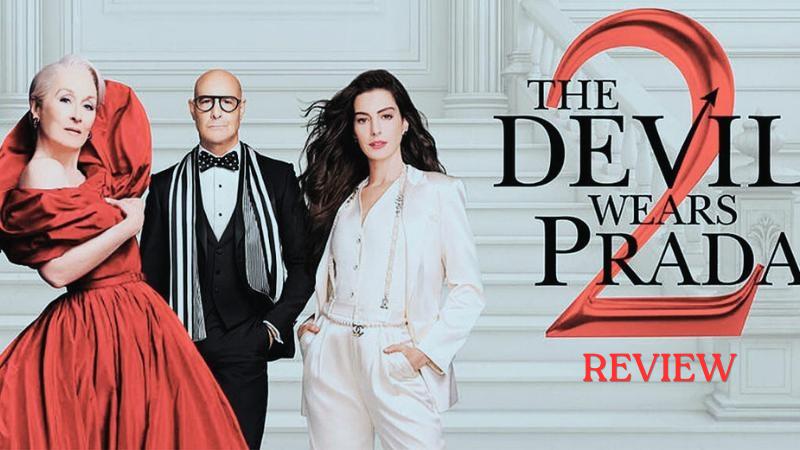
Nearly two decades after the original, The Devil Wears Prada 2 follows Miranda Priestly as she battles to keep Runway magazine relevant in a digital-first world. With print collapsing and online metrics dictating editorial decisions, Miranda is forced to adapt without compromising her authority. Andy Sachs returns as a successful journalist, while Emily Charlton now holds power in the fashion industry, potentially becoming both an ally and a threat. The story revolves around a high-stakes collaboration that could save Runway but risks diluting its identity.
Overview
Directed by David Frankel, the film explores the collision between legacy media and digital disruption. It shifts focus from fashion glamour to industry survival, highlighting how journalism and influence have evolved under algorithm-driven systems. The narrative is subtle, layered, and more introspective than entertaining.
Performances
Meryl Streep dominates as Miranda Priestly with a restrained yet powerful performance.
Anne Hathaway brings maturity and balance to Andy Sachs.
Emily Blunt stands out with a commanding and dynamic presence.
Stanley Tucci continues to anchor the film with subtle depth.
Technical Aspects
The film maintains a polished visual tone but is less extravagant than the original. Cinematography reflects a more grounded fashion world where branding and practicality replace spectacle.
Music
The background score is minimal and functional, supporting the narrative without becoming memorable or emotionally impactful.
Editing
The pacing is uneven. While some sequences are sharp and engaging, others feel stretched, especially when balancing drama with industry commentary.
Positives
- Strong performances, especially from Meryl Streep and Emily Blunt
- Relevant and timely theme about digital disruption
- Intelligent and subtle storytelling
- Realistic portrayal of media industry struggles
Negatives
- Lacks the charm and entertainment value of the original
- Humor feels muted and niche
- Uneven pacing affects engagement
- Fashion element feels less impactful
Analysis
The film’s core conflict is not between characters but between eras—print vs digital, authority vs algorithms. It critiques how journalism now bends to metrics, where clicks outweigh credibility. While the commentary is sharp, it may not fully connect with audiences unfamiliar with media dynamics. The film chooses realism over drama, which makes it thoughtful but less crowd-pleasing.
Bottomline: Stylish but subdued
Rating: 3.5/5