Plot:
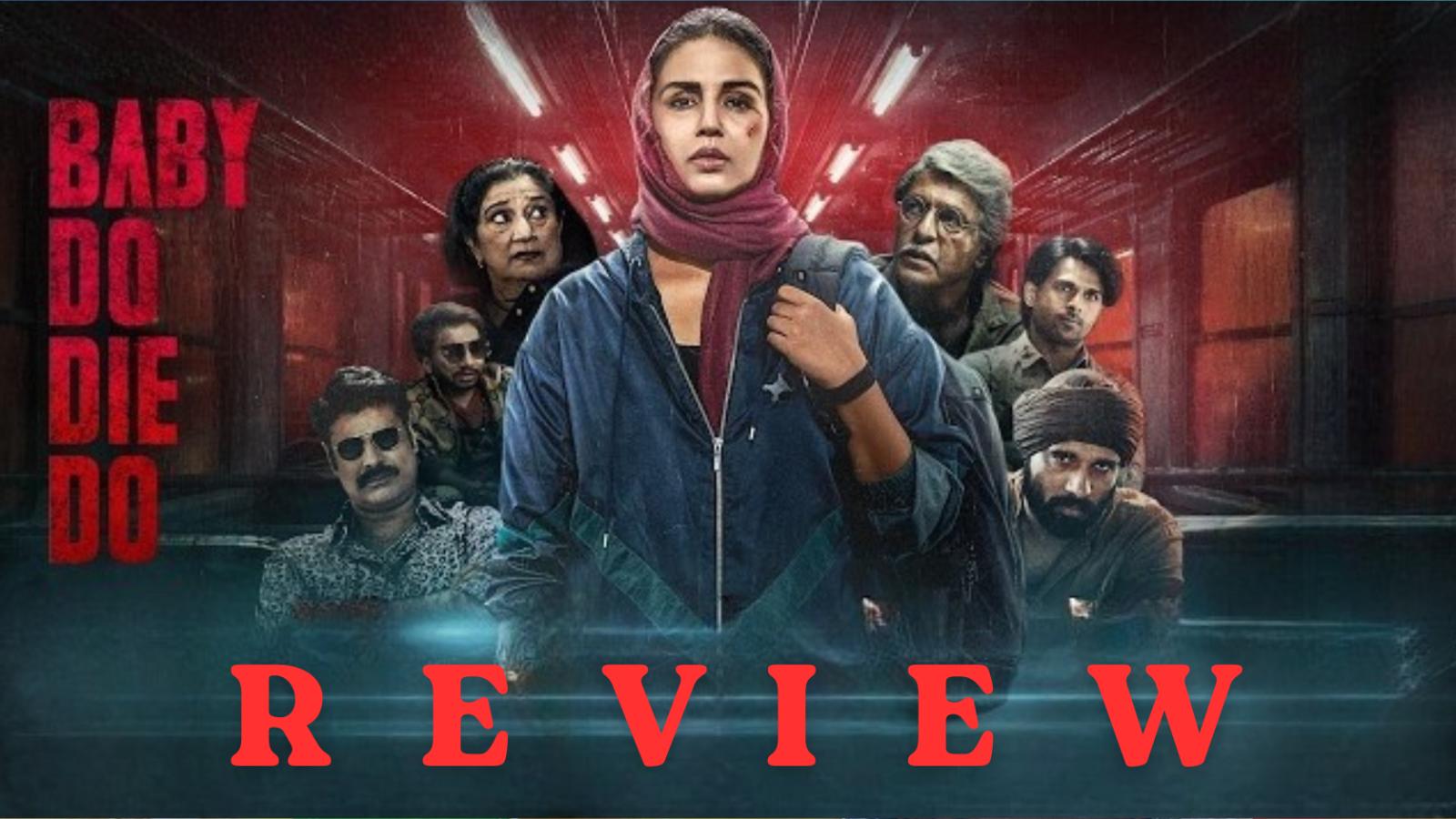
Baby Do Die Do follows twin sisters whose lives change forever after they accidentally witness a murder inside a luxury hotel. Years later, Baby Karmarkar, who is deaf and mute, has grown into a feared contract killer.
Driven by the need to avenge her sister’s death, Baby hunts down those connected to the tragedy one by one. Her carefully controlled world begins to change when she unexpectedly falls in love with Siddhu, forcing her to confront the life she has built entirely around violence and revenge. The film combines gangsters, contract killings, romance and dark humour while taking Baby deeper into a dangerous conspiracy linked to her past.
Overview:
Director Nachiket Samant presents Baby Do Die Do as an unapologetically pulpy revenge entertainer. Instead of following the dark and realistic approach of many modern crime thrillers, the film embraces old-school Bollywood storytelling with exaggerated villains, assassins, romance and stylish action.
The core revenge story is familiar and the major twist may be predictable for regular viewers of crime dramas. However, the energetic treatment, brisk screenplay and engaging performances help the film remain entertaining.
At just over two hours, the film maintains momentum and successfully balances revenge, humour and romance without slowing down significantly.
Performances:
Huma Qureshi is the heart and soul of the film. As Baby, she delivers a powerful performance using expressions, body language, lip-reading and silence instead of conventional dialogue-heavy acting.
She presents Baby as confident, intelligent and physically capable without turning the character into a figure deserving sympathy. Her natural appearance and willingness to appear without heavy makeup add authenticity to the role.
Rachit Singh gives a sincere performance as Siddhu. His character brings warmth and emotional softness to the violent narrative, though his screen presence does not match Huma Qureshi’s commanding performance. Sikandar Kher is effective as the antagonist and brings intensity to his role.
Chunky Pandey is an entertaining surprise as a serious contract-killing boss. His restrained performance offers a refreshing change from the comic roles commonly associated with him.
Seema Pahwa is excellent as DCP Anjum Khan and provides some of the film’s most memorable moments. Vidya Malvade, Himanshu Malik, Arun Kushwah, Rupesh Bane, Marudhar Shekhawat and Mangala Kenkre strengthen the film with colourful supporting characters.
Technical Aspects:
Nachiket Samant keeps the film energetic and confidently embraces its pulpy tone. The direction understands that the film is primarily an entertainer and avoids making the familiar revenge story unnecessarily complicated.
Tojo Xavier’s cinematography is one of the film’s technical strengths. Mumbai is presented as gritty, atmospheric and closely connected to Baby’s dangerous world.
The action scenes are stylishly presented, and the film successfully blends violence with humour and emotional moments.
However, the repeated use of glitch-style visual effects during dramatic sequences feels distracting and occasionally interrupts the emotional flow.
Music:
The music adds flavour to the film’s unusual mix of revenge, romance and dark humour. The romantic portions, particularly the black-and-white sequences involving Baby and Siddhu, create a warm contrast to the violent storyline. The track Alpha Q also adds a playful and quirky touch to the narrative. The background score supports the action and suspense effectively without overpowering the central performance.
Editing:
The editing is one of the film’s major strengths. Despite following a familiar revenge structure, the film moves quickly and rarely feels dull.
The screenplay smoothly shifts between action, romance, humour and emotional moments. The runtime of just over two hours works in the film’s favour. However, some visual effects used during dramatic scenes could have been reduced for a cleaner viewing experience.
Positives:
- Huma Qureshi’s powerful performance
- Fast-paced screenplay
- Stylish old-school revenge treatment
- Strong supporting cast
- Effective cinematography
- Balanced mix of action, romance and humour
- Confident portrayal of a disabled protagonist
- Entertaining pulpy atmosphere
Negatives:
- Predictable central twist
- Familiar revenge storyline
- Unnecessary glitch-style visual effects
- Some disturbing action sequences
- A few supporting characters could have been developed better
Analysis:
Baby Do Die Do works because it understands its identity. The film does not attempt to reinvent the revenge thriller but instead concentrates on delivering a confident and entertaining version of a familiar story.
Huma Qureshi elevates the material significantly. Baby is written as a character who refuses to be defined by her disability. She does not ask for sympathy and is often the smartest and most capable person in the room. This approach gives the character dignity and makes her journey more engaging.
The film also handles the romance between Baby and Siddhu with sensitivity. Siddhu accepts Baby without treating her disability as a dramatic obstacle, giving their relationship a natural warmth.
The supporting performances add considerable personality to the film. Chunky Pandey’s serious turn, Seema Pahwa’s sharp police officer and Sikandar Kher’s antagonist help create a colourful world around Baby.
The narrative is predictable at times, especially for audiences familiar with pulp fiction and classic Bollywood revenge dramas. Yet the energetic execution, quick pacing and strong central performance compensate for the lack of surprise.
Baby Do Die Do ultimately succeeds as a stylish, old-fashioned revenge entertainer with a modern female protagonist. Huma Qureshi carries the film with authority, making the familiar story worth watching.
Bottomline: Pulpy Fun
Rating: 3/5