Aerial spraying in American farming
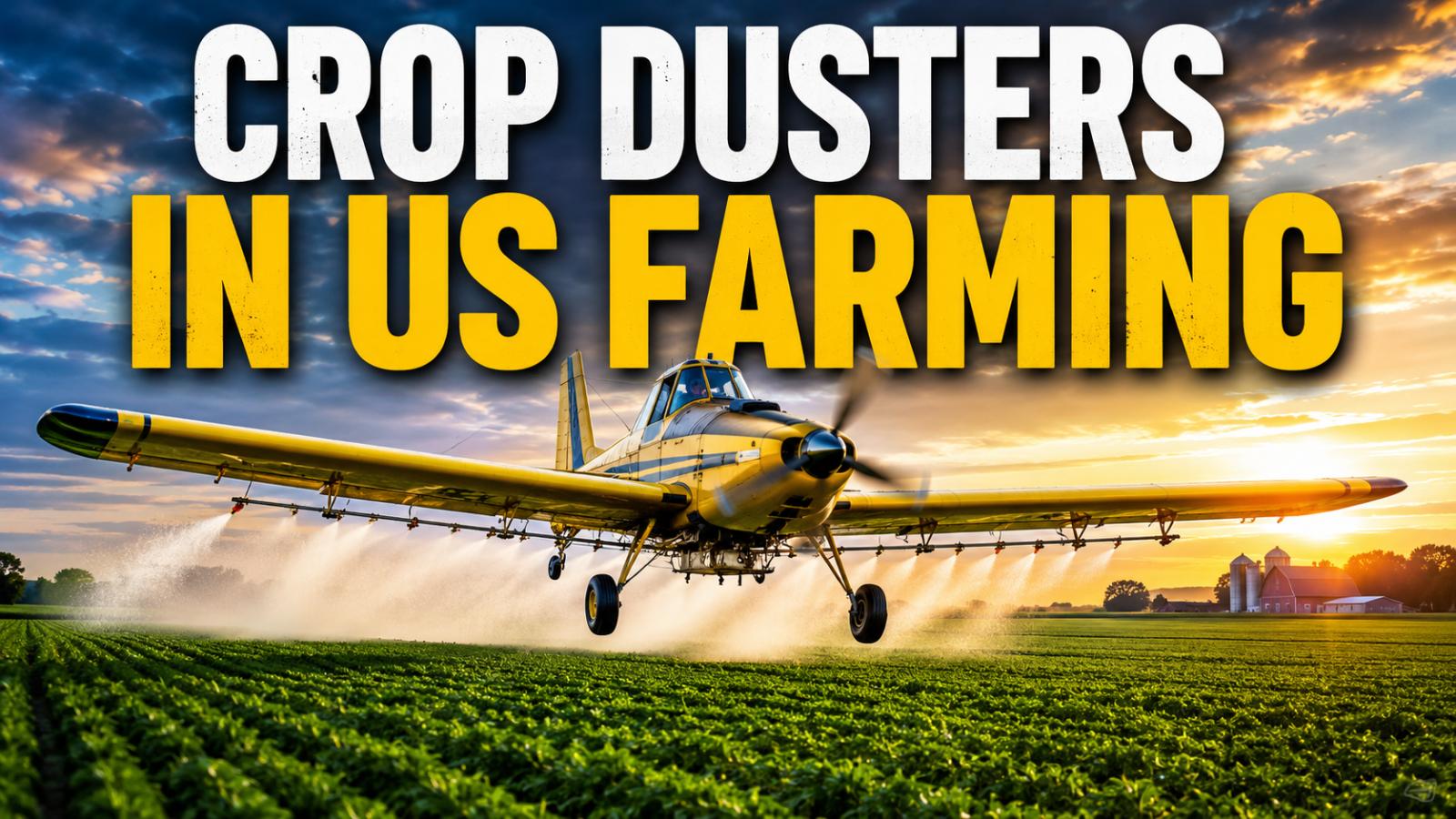
Crop dusters, also known as agricultural aircraft, play an important role in American farming, especially across large crop-producing states where fields can stretch for hundreds or thousands of acres. These low-flying planes are commonly used to spray pesticides, herbicides, fungicides and fertilizers over crops such as corn, soybeans, cotton, rice and wheat. Farmers often rely on aerial spraying when a field is too large, too wet or too time-sensitive for ground equipment to cover efficiently.
Why farmers use crop dusters
A major advantage of crop dusters is speed. When insects, weeds or plant diseases spread quickly, farmers may need to treat crops within a short window to prevent major losses. Aerial spray operations can cover large areas faster than tractors or self-propelled sprayers. They also help avoid soil compaction because heavy ground machines do not need to drive through wet or sensitive fields. This is especially useful during critical stages of crop growth, when damaging plants or soil can reduce yield.
How the spraying process works
Before spraying begins, farmers and licensed applicators review the crop condition, pesticide label, weather forecast, wind direction and nearby sensitive areas. The aircraft is loaded with a measured spray mixture, and the pilot follows a planned route over the field. Modern crop dusters often use GPS guidance to maintain accuracy and reduce overlap. The liquid is released through nozzles along the wings or spray booms, creating a fine mist that spreads across the target crop area.
Safety and environmental controls
Pesticide spraying in the United States is regulated, and applicators must follow product label instructions. These labels include rules on dosage, crop type, protective equipment, wind limits, buffer zones and waiting periods before harvest. Aerial applicators also work to reduce spray drift, which can carry chemicals away from the intended field. Weather conditions are important because high wind, extreme heat or temperature inversions can increase drift risk.
Technology changing aerial application
The crop duster industry is also changing with technology. GPS systems, mapping software, variable-rate application and field data help improve accuracy. In some areas, drones are now used for smaller fields, orchards, vineyards and targeted spot spraying. Still, crop dusters remain valuable for large-scale American agriculture because they can act quickly, cover wide fields and support farmers during urgent crop protection needs.