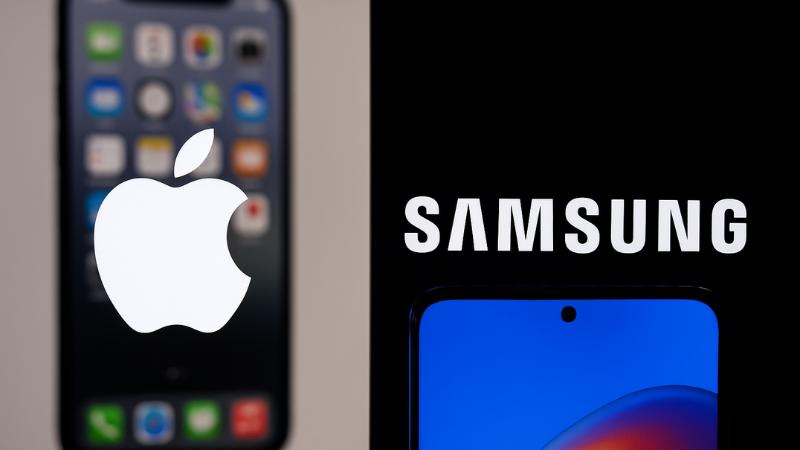
Apple is on track to ship more smartphones than Samsung in 2025, marking the first time in fourteen years that the U.S. technology company is expected to lead the global smartphone rankings. The projection comes from Counterpoint Research, which reported that Apple could finalize the year with roughly 243 million iPhone shipments, surpassing Samsung’s estimated 235 million units. This shift is significant in a highly competitive smartphone market where leadership has historically alternated based on innovation cycles, consumer demand, and regional performance trends. According to the research firm, Apple is set to secure a 19.4% global market share, edging out Samsung, which is expected to close the year at 18.7%.
Shipments represent the number of devices distributed to retail partners and other channels, serving as a critical indicator of anticipated demand even though the figures do not always mirror direct consumer sales. Analysts note that Apple’s strong momentum has been fueled by the performance of the iPhone 17 series, launched in September, which saw exceptional demand during the holiday period. In the United States, early sales of the iPhone 17 series, including the iPhone Air, were 12% higher in the first four weeks compared with sales of the iPhone 16 lineup, excluding the iPhone 16e. The trend was even more pronounced in China, a strategically important market for Apple, where sales of the newly launched series rose 18% over the previous generation during the same timeframe.
Counterpoint Research attributes this surge not only to the positive reception of the iPhone 17 series but also to a broader industry cycle. Many consumers who purchased smartphones during the COVID-19 period are now approaching the end of their upgrade window, creating a wave of replacement demand. This inflection point strengthens the outlook for premium devices, particularly for Apple, which traditionally benefits from a loyal customer base and strong retention rates within the iOS ecosystem.
Samsung, meanwhile, may encounter additional challenges from Chinese manufacturers, particularly in the low- and mid-tier segments, where competitive pricing and aggressive expansion efforts could limit the South Korean company’s shipment recovery. Analysts suggest that these pressures may make it difficult for Samsung to reclaim its long-held position at the top of the global smartphone industry in the near term.
Looking ahead, Apple is forecast to maintain its leadership through at least 2029. One key factor supporting this long-term projection is the substantial second-hand iPhone market. Between 2023 and the second quarter of 2025, an estimated 358 million used iPhones changed hands worldwide. Many of these users are expected to upgrade to new models in the coming years, expanding Apple’s installed base and strengthening demand for future product cycles. The company has also benefited from a more stable trade environment following the easing of tariff concerns between the United States and China, which helped stabilize its supply chain and support growth in emerging markets. A comparatively weaker U.S. dollar and resilient consumer sentiment have also contributed to favorable market conditions.
Counterpoint Research further predicts that Apple will introduce the entry-level iPhone 17e next year, along with a foldable model. Future developments—including planned improvements to Siri and a major iPhone design overhaul expected in 2027—are likely to reinforce Apple’s dominant position. By broadening its lineup across additional price points and adjusting launch strategies for Pro and Base models, Apple aims to appeal to a wider audience, particularly younger and aspirational buyers in growing markets. Analysts add that the expanding preference for the iOS ecosystem, supported by strong device compatibility and millions of older iPhones approaching renewal, will help Apple hold its lead through the end of the decade.