Cuba Warns Against Military Action As US Pressure Grows
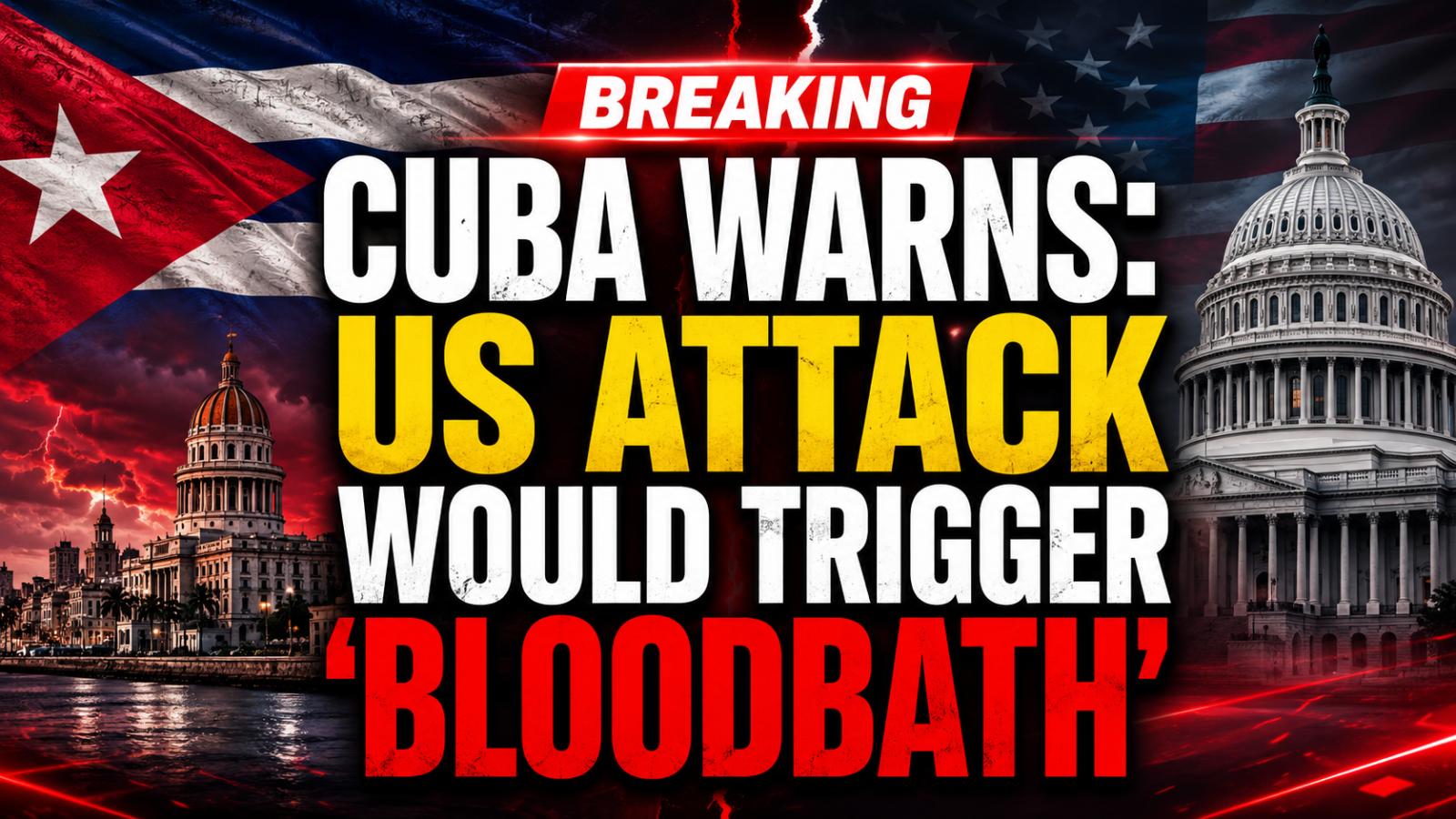
Cuba’s leadership warned that any military action by the United States would bring severe consequences, as tensions between Havana and Washington escalated following new US sanctions targeting Cuba’s intelligence apparatus and senior officials. President Miguel Diaz-Canel said the country does not pose a threat to the United States or any other nation, but insisted Cuba would defend itself if attacked.
Diaz-Canel Says Cuba Will Defend Itself
Diaz-Canel stated that a US attack would trigger a “bloodbath with incalculable consequences,” while emphasizing what he described as Cuba’s legitimate right to resist a military assault. Cuba’s ambassador to the United Nations, Ernesto Soberon Guzman, also said the country would fight back in the event of an invasion, reinforcing Havana’s position that any armed action would be met with resistance.
US Sanctions Target Cuban Intelligence And Officials
The latest escalation came as Washington announced new sanctions against Cuba’s intelligence agency and nine Cuban officials, including ministers and senior Communist Party figures. The measures represent one of the stronger recent US actions against Havana and come amid growing concerns over security, intelligence activity, and regional stability.
Drone Claims Add To Washington-Havana Tensions
Tensions were further fueled by claims that Cuba had obtained more than 300 military drones from Russia and Iran and was weighing potential strikes on US targets. Cuba has not confirmed or denied those drone-related allegations, while its officials have accused Washington of using such claims to justify greater pressure or possible intervention.
Economic Pressure Deepens Cuba’s Crisis
The confrontation also comes during a period of worsening economic hardship in Cuba. US restrictions on oil shipments, expanded economic pressure, and tariff threats have added strain to the country’s energy and humanitarian crisis. Cuban officials argue that Washington’s actions are intended to destabilize the government, while the United States continues to frame its sanctions as a response to security and governance concerns.