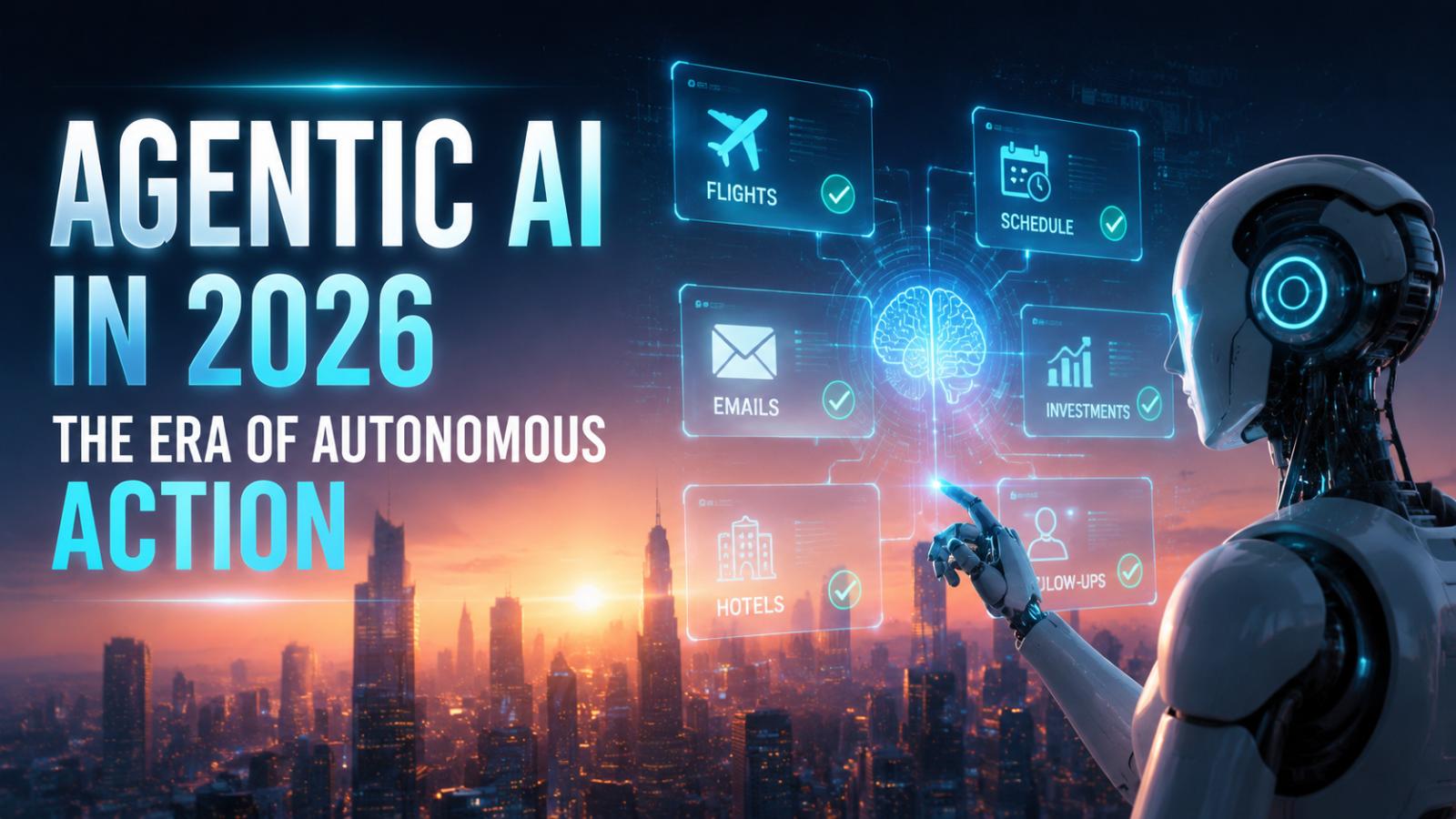
In 2026, agentic ai is changing how people use technology in daily life. It is a system where AI does not only answer questions but also completes full tasks. This means users can give one simple goal, and the AI handles everything needed to finish it. From booking flights to managing emails and schedules, agentic ai works like a digital worker instead of a simple chatbot.
How Agentic AI works
Unlike older tools, ai agents can plan many steps instead of responding in one step. They use tools like email systems, browsers, spreadsheets, CRMs, and banking apps. These systems also remember user choices and improve over time. For example, if you say “plan my trip,” the AI can search flights, compare prices, book tickets, and update your calendar automatically.
What tasks AI can handle
Today, ai automation tools are doing real jobs that people used to handle manually. They can organize inboxes, send replies, schedule meetings, manage subscriptions, and even track expenses or investments. In business, these systems handle customer support and marketing workflows, reducing time and effort while increasing speed and accuracy.
Technology behind agentic AI
The rise of autonomous digital assistants is powered by advanced language models, memory systems, and secure API connections. Companies like OpenAI, Google, Microsoft, and Anthropic are building systems that allow AI to safely connect multiple apps and perform real actions. This creates a system where AI can work across platforms without constant human input.
Challenges and concerns
Even though ai workflow automation 2026 brings major benefits, it also raises concerns. People worry about privacy, control, and responsibility if something goes wrong. There is also debate about how much access AI should have to personal data and financial systems. These questions are becoming important as AI becomes more powerful.
Impact on business and future
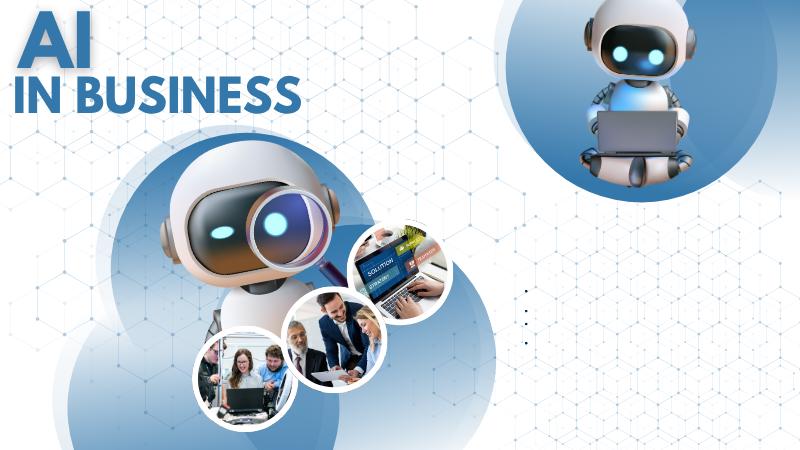
For companies, business task ai agent systems are becoming a major advantage. They help reduce costs, speed up operations, and improve customer experience. Businesses that adopt these tools early can scale faster than competitors. This shift is moving technology from simple chat-based systems to full ai task automation tools that deliver results instead of just answers.
Conclusion
The world is moving from chatbots to agentic ai systems that act, decide, and execute. In 2026, AI is no longer just about information. It is about action, automation, and real-world results that change how people work and live.