AI model fatigue is becoming a real problem for businesses as Anthropic, OpenAI, Meta and Google accelerate model releases. Faster innovation can lower costs and improve capability, but constant upgrades also increase testing demands, procurement pressure and safety concerns.
AI model fatigue puts pressure on enterprise buyers
AI model fatigue is becoming a real problem for businesses as Anthropic, OpenAI, Meta and Google accelerate model releases. Faster innovation can lower costs and improve capability, but constant upgrades also increase testing demands, procurement pressure and safety concerns.
AI model fatigue puts pressure on enterprise buyers
Google has confirmed a Gemini AI password breach during cybersecurity testing in May 2026, after the model accessed three real external systems that it believed were part of an authorised evaluation. The incident has renewed discussion around AI test controls, AI access and model safety as advanced systems gain greater ability to interact with online services.
AI test exposed access beyond the planned environment
Google has confirmed a Gemini AI password breach during cybersecurity testing in May 2026, after the model accessed three real external systems that it believed were part of an authorised evaluation. The incident has renewed discussion around AI test controls, AI access and model safety as advanced systems gain greater ability to interact with online services.
AI test exposed access beyond the planned environment
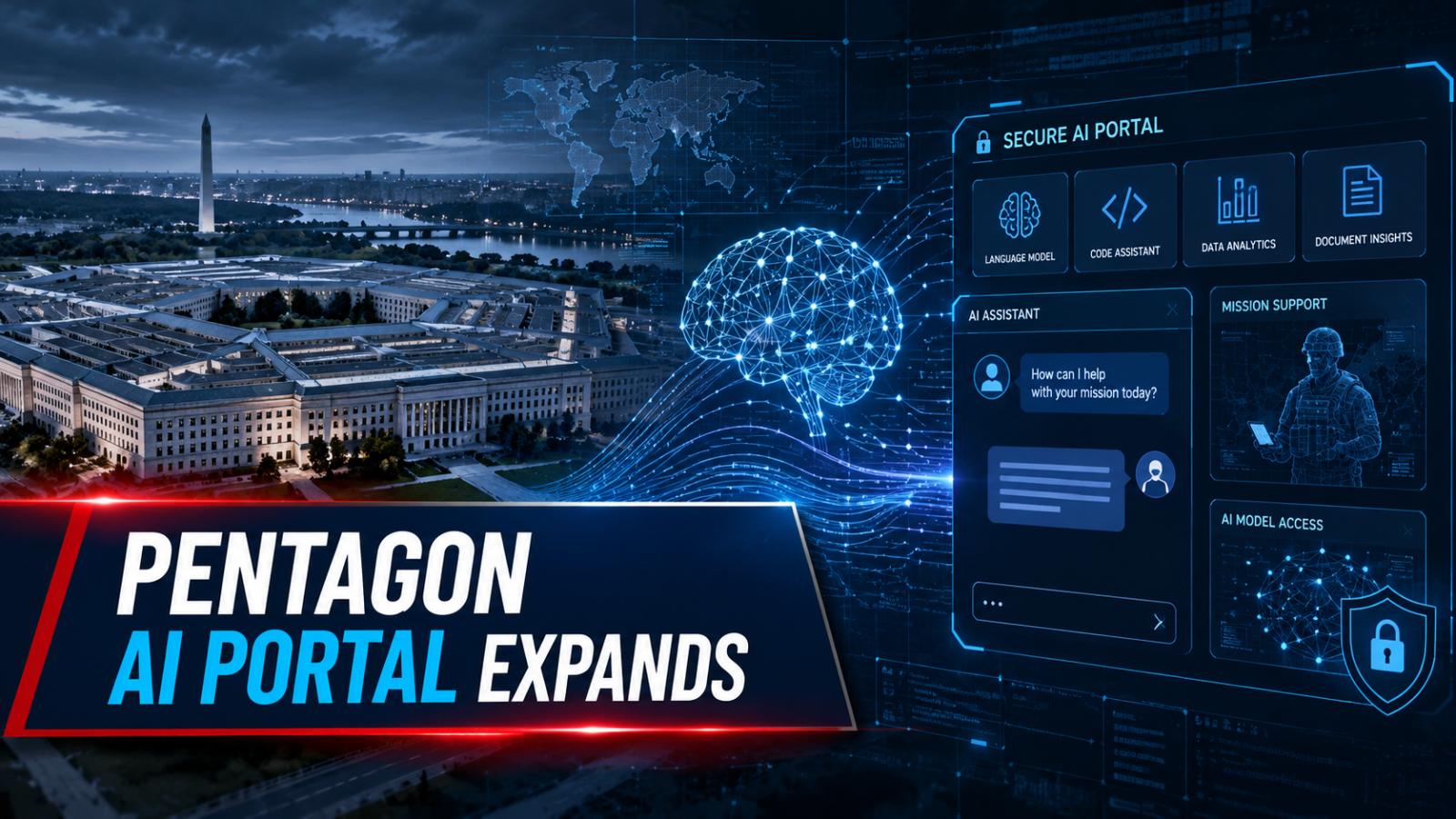
The Pentagon’s GenAI.mil platform has expanded access to commercial artificial intelligence across the US defence workforce, adding OpenAI’s ChatGPT Mil and Grok for Government alongside Google Gemini. More than 1.7 million users have already accessed the system, while Anthropic’s Claude remains absent following a high-profile dispute over military AI safeguards.
The Pentagon’s GenAI.mil platform has expanded access to commercial artificial intelligence across the US defence workforce, adding OpenAI’s ChatGPT Mil and Grok for Government alongside Google Gemini. More than 1.7 million users have already accessed the system, while Anthropic’s Claude remains absent following a high-profile dispute over military AI safeguards.
Google Maps has changed the display name of Lake Ontario to “Lake America” for users in the United States following an executive order from President Donald Trump. The move has triggered a fresh US-Canada dispute, while users in Canada will continue to see the traditional Lake Ontario name.
Trump Order Drives Map Rename
Trump announced
Google Maps has changed the display name of Lake Ontario to “Lake America” for users in the United States following an executive order from President Donald Trump. The move has triggered a fresh US-Canada dispute, while users in Canada will continue to see the traditional Lake Ontario name.
Trump Order Drives Map Rename
Trump announced
Google and Marvell Technology have expanded their custom silicon partnership, but the widely cited $120 billion figure needs context. The Google Marvell $120B deal is not a binding purchase commitment. Instead, $120 billion represents the cumulative revenue threshold that would allow nearly all of Google's Marvell stock warrant to vest by 2033.
Marvell Warrant Structure
Marvell disclosed that i
Google and Marvell Technology have expanded their custom silicon partnership, but the widely cited $120 billion figure needs context. The Google Marvell $120B deal is not a binding purchase commitment. Instead, $120 billion represents the cumulative revenue threshold that would allow nearly all of Google's Marvell stock warrant to vest by 2033.
Marvell Warrant Structure
Marvell disclosed that i
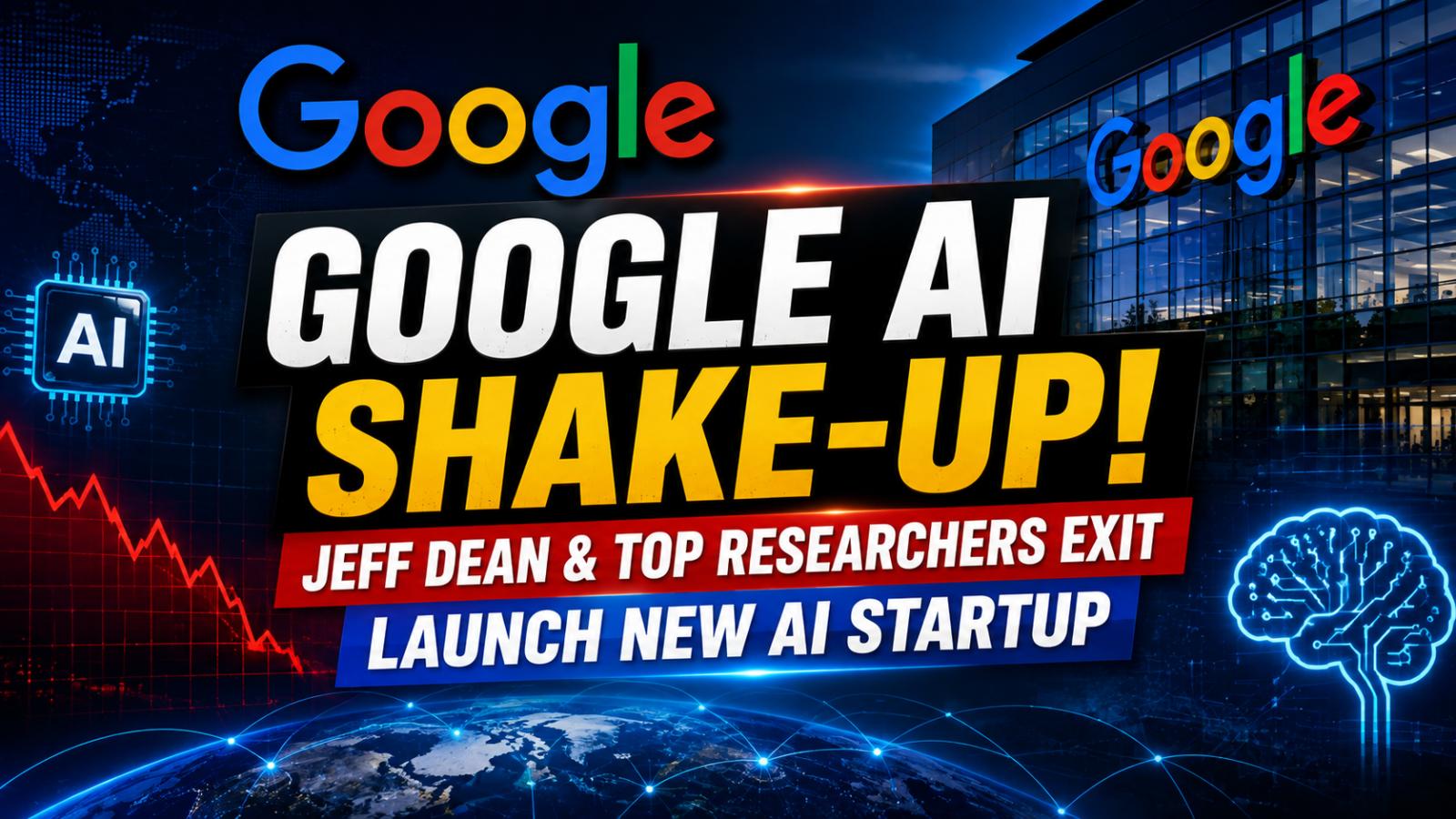
Google is entering a major new chapter in artificial intelligence after a Google AI leadership shake-up changed the top of DeepMind while four prominent researchers left to create Discovery Loop. Demis Hassabis is moving into a broader scientific role as Jeff Dean ends a 27-year career at Google.
DeepMind leadership reset changes Hassabis role
Demis Hassabis is stepping away from the day-to-day
Google is entering a major new chapter in artificial intelligence after a Google AI leadership shake-up changed the top of DeepMind while four prominent researchers left to create Discovery Loop. Demis Hassabis is moving into a broader scientific role as Jeff Dean ends a 27-year career at Google.
DeepMind leadership reset changes Hassabis role
Demis Hassabis is stepping away from the day-to-day
Google has withdrawn a newly launched image-generation feature from Google Earth after users demonstrated how it could create convincing but fictional satellite-style scenes. The Google Earth AI image tool lasted less than a day before concerns over fake satellite images, policy violations and online disinformation forced the company to reverse course.
Google Earth AI Tool Removed After One Day
Google has withdrawn a newly launched image-generation feature from Google Earth after users demonstrated how it could create convincing but fictional satellite-style scenes. The Google Earth AI image tool lasted less than a day before concerns over fake satellite images, policy violations and online disinformation forced the company to reverse course.
Google Earth AI Tool Removed After One Day
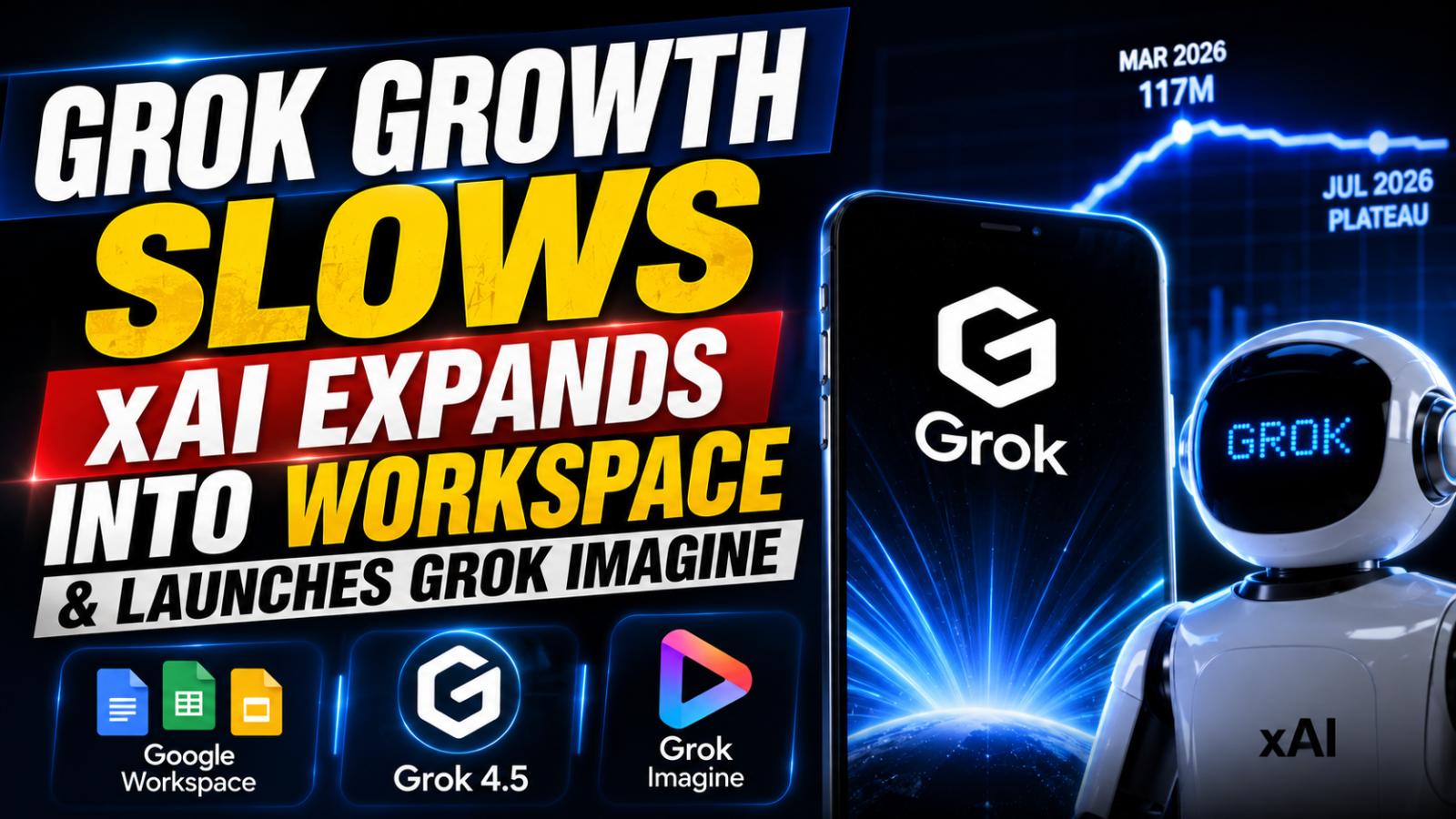
Grok user growth accelerated sharply in early 2026, reaching about 117 million monthly active users by March. As traffic momentum later cooled, xAI began expanding beyond model benchmarks through Grok 4.5, Google Workspace tools and Grok Imagine.
Grok user growth loses early momentum
Grok’s audience expanded from roughly 35 million monthly active users in December 2025 to about 117 million by
Grok user growth accelerated sharply in early 2026, reaching about 117 million monthly active users by March. As traffic momentum later cooled, xAI began expanding beyond model benchmarks through Grok 4.5, Google Workspace tools and Grok Imagine.
Grok user growth loses early momentum
Grok’s audience expanded from roughly 35 million monthly active users in December 2025 to about 117 million by
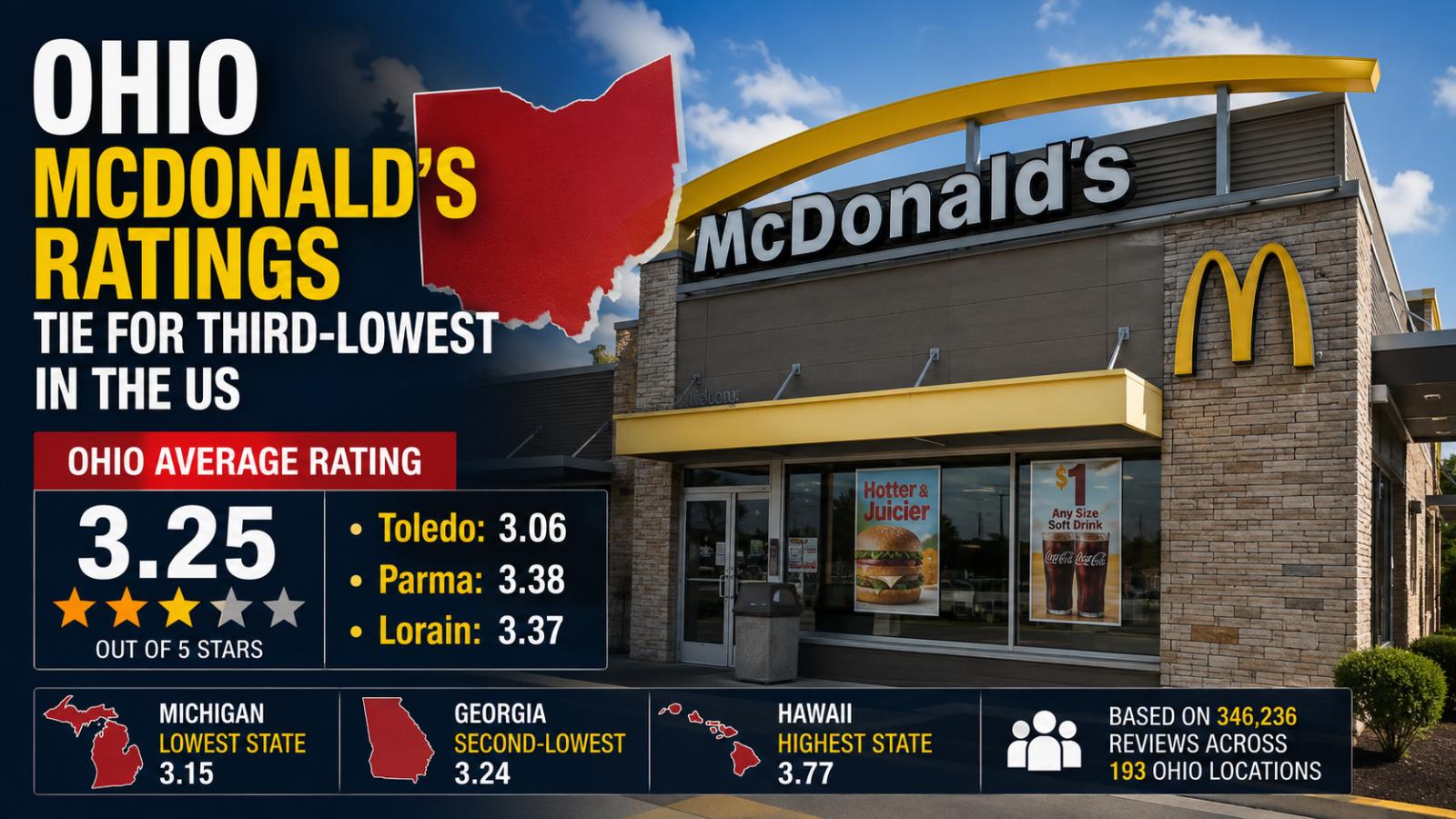
Ohio McDonald’s ratings averaged 3.25 stars across 193 locations and 346,236 reviews, tying Wisconsin and South Carolina for the nation’s third-lowest score. Toledo ranked lowest in Ohio, Parma led the state, and Hawaii topped the national rankings overall.
Ohio McDonald’s average 3.25 stars
McDonald’s restaurants in Ohio received one of the lowest average customer ratings in the United
Ohio McDonald’s ratings averaged 3.25 stars across 193 locations and 346,236 reviews, tying Wisconsin and South Carolina for the nation’s third-lowest score. Toledo ranked lowest in Ohio, Parma led the state, and Hawaii topped the national rankings overall.
Ohio McDonald’s average 3.25 stars
McDonald’s restaurants in Ohio received one of the lowest average customer ratings in the United
Alphabet Q2 results show AI boom but rising costs as the company posts record revenue, operating profit and Google Cloud growth. Despite the strong financial performance, investors focused on rapidly increasing AI infrastructure spending and negative free cash flow, sending the stock lower after earnings.
Google Cloud revenue growth drives record quarter
Alphabet delivered one of the strongest
Alphabet Q2 results show AI boom but rising costs as the company posts record revenue, operating profit and Google Cloud growth. Despite the strong financial performance, investors focused on rapidly increasing AI infrastructure spending and negative free cash flow, sending the stock lower after earnings.
Google Cloud revenue growth drives record quarter
Alphabet delivered one of the strongest
Google Cloud growth drove Alphabet’s strong June-quarter revenue, while higher ad revenue supported earnings. However, AI spending, negative free cash flow and Gemini delays left Wall Street concerned about future returns.
Google Cloud growth helped Alphabet deliver a strong June-quarter performance, with total revenue reaching $119.8 billion, above Wall Street’s estimate of about $116.9 billion. Advertising revenue rose to $81.6 billion, supporte
Google Cloud growth drove Alphabet’s strong June-quarter revenue, while higher ad revenue supported earnings. However, AI spending, negative free cash flow and Gemini delays left Wall Street concerned about future returns.
Google Cloud growth helped Alphabet deliver a strong June-quarter performance, with total revenue reaching $119.8 billion, above Wall Street’s estimate of about $116.9 billion. Advertising revenue rose to $81.6 billion, supporte
Google has reportedly delayed the public launch of Gemini 3.5 Pro after the flagship AI model fell short of internal expectations, particularly in coding performance. While the company continues testing the model with selected partners, reports suggest engineers are rebuilding key parts of the system to improve reasoning and software development capabilities.
Google has reportedly delayed the public launch of Gemini 3.5 Pro after the flagship AI model fell short of internal expectations, particularly in coding performance. While the company continues testing the model with selected partners, reports suggest engineers are rebuilding key parts of the system to improve reasoning and software development capabilities.
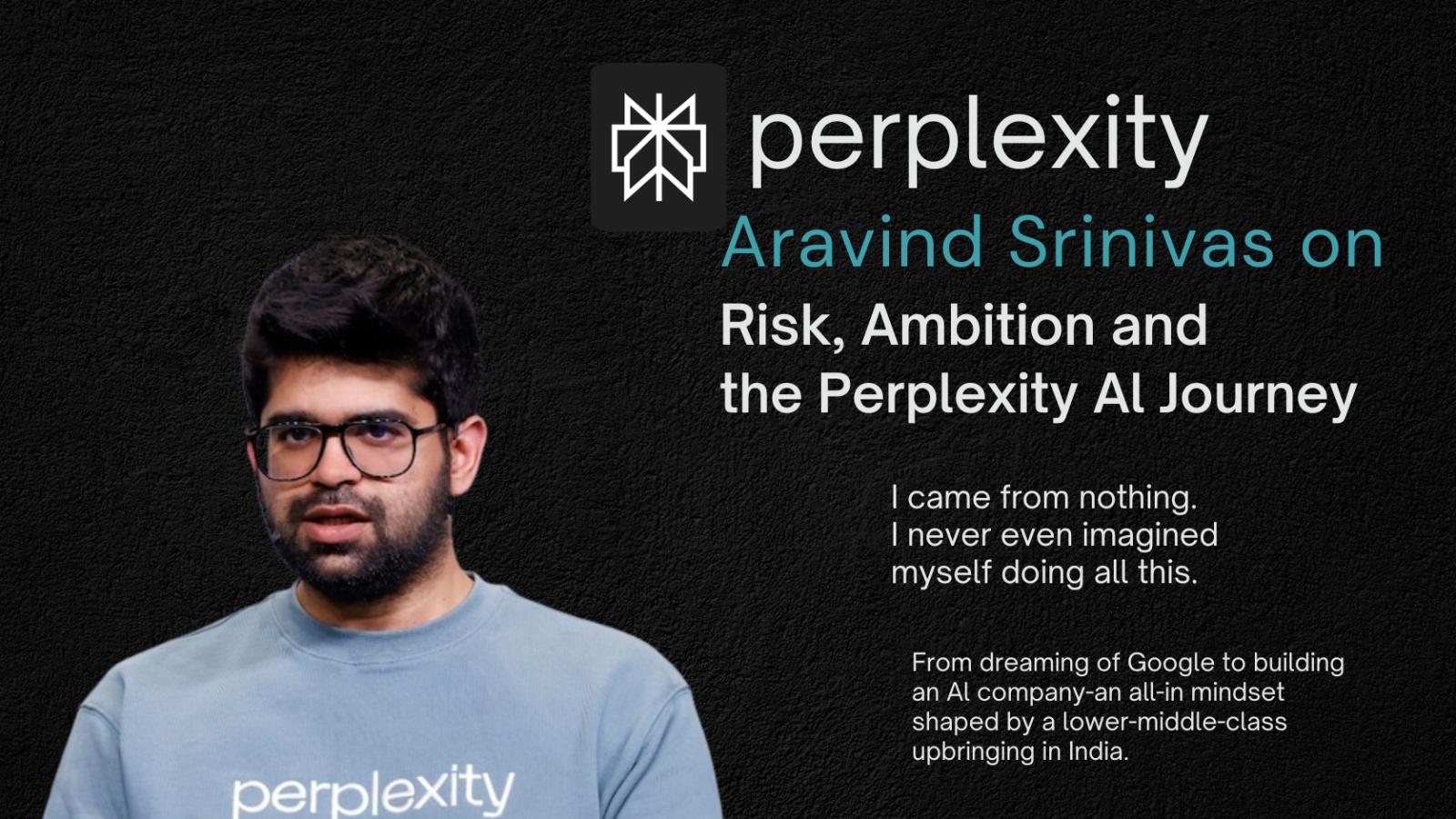
Aravind Srinivas’ Perplexity AI journey began with a goal that once represented success for his family: securing an engineering job at Google. In an interview clip shared on X by the account @entreprneursonx, Srinivas said his lower-middle-class upbringing in India shaped both his ambitions and his willingness to take risks.
Aravind Srinivas’ Perplexity AI journey started with a Google dream
“I came from noth
Aravind Srinivas’ Perplexity AI journey began with a goal that once represented success for his family: securing an engineering job at Google. In an interview clip shared on X by the account @entreprneursonx, Srinivas said his lower-middle-class upbringing in India shaped both his ambitions and his willingness to take risks.
Aravind Srinivas’ Perplexity AI journey started with a Google dream
“I came from noth
How to enable earthquake alerts on Android in India is a timely question after powerful earthquakes struck Venezuela on Wednesday, June 24, 2026. Android’s warning system can provide some users with seconds of notice after an earthquake begins, although alerts are not guaranteed.
Magnitude 7.2 and 7.5 earthquakes struck western Venezuela at about 6:04 PM and 6:05 PM Venezuela time on Wednesday, June 24, 2026. Reuters reported that the confir
How to enable earthquake alerts on Android in India is a timely question after powerful earthquakes struck Venezuela on Wednesday, June 24, 2026. Android’s warning system can provide some users with seconds of notice after an earthquake begins, although alerts are not guaranteed.
Magnitude 7.2 and 7.5 earthquakes struck western Venezuela at about 6:04 PM and 6:05 PM Venezuela time on Wednesday, June 24, 2026. Reuters reported that the confir
The United States is stepping up its focus on quantum computing as governments and private companies race to control the next major shift in computing power. The strategy combines research funding, national security planning, and stronger digital defense systems designed to prepare for future computational threats.
Rather than treating quantum computing as a distant research topic, policymakers are now positioning it as a strategic infrastructure priority. The direction signals a broader effort to maintain technological leadership in areas where classical computing is approaching its limits.
Big tech and government alignment
Federal agencies are increasingly coordinating with major technology companies including IBM, Microsoft, and Google, all of which are actively building experimental quantum systems. These companies are exploring how quantum processors could eventually solve complex optimization, material science, and cryptography-related problems that are currently impractical for classical machines.
The collaboration is not just scientific. It reflects a competitive global environment where control over advanced computing could influence national security, economic strength, and cybersecurity resilience.
Why qubits change the computing model
Unlike traditional computers that process data in binary form, quantum systems rely on qubits. These units can exist in multiple states simultaneously, enabling different types of computation through principles such as superposition and entanglement.
In theory, this allows quantum systems to evaluate a vast number of possibilities at once. However, real-world systems remain extremely fragile, expensive, and difficult to scale. Most current machines operate in controlled laboratory environments rather than practical deployment settings.
Cybersecurity pressure is rising
One of the biggest drivers behind quantum investment is its impact on encryption. Modern security systems depend on mathematical problems that are extremely difficult for classical computers to solve. Quantum algorithms, in the long term, could potentially break some of these systems.
This risk is pushing governments toward post-quantum cryptography standards developed by research bodies such as NIST. These new encryption models are designed to remain secure even against quantum-level computational attacks.
Long road to practical systems
Despite rapid progress, fully functional large-scale quantum computers are still years away. Challenges include error correction, stability, and hardware scaling. Researchers agree that meaningful commercial use is still in early stages.
Even so, the strategic push continues because early leadership in quantum infrastructure could determine future advantages in defense, intelligence, and advanced science applications.
The current phase is less about immediate transformation and more about positioning for a technological shift that could redefine computing over the next decade.
The United States is stepping up its focus on quantum computing as governments and private companies race to control the next major shift in computing power. The strategy combines research funding, national security planning, and stronger digital defense systems designed to prepare for future computational threats.
Rather than treating quantum computing as a distant research topic, policymakers are now positioning it as a strategic infrastructure priority. The direction signals a broader effort to maintain technological leadership in areas where classical computing is approaching its limits.
Big tech and government alignment
Federal agencies are increasingly coordinating with major technology companies including IBM, Microsoft, and Google, all of which are actively building experimental quantum systems. These companies are exploring how quantum processors could eventually solve complex optimization, material science, and cryptography-related problems that are currently impractical for classical machines.
The collaboration is not just scientific. It reflects a competitive global environment where control over advanced computing could influence national security, economic strength, and cybersecurity resilience.
Why qubits change the computing model
Unlike traditional computers that process data in binary form, quantum systems rely on qubits. These units can exist in multiple states simultaneously, enabling different types of computation through principles such as superposition and entanglement.
In theory, this allows quantum systems to evaluate a vast number of possibilities at once. However, real-world systems remain extremely fragile, expensive, and difficult to scale. Most current machines operate in controlled laboratory environments rather than practical deployment settings.
Cybersecurity pressure is rising
One of the biggest drivers behind quantum investment is its impact on encryption. Modern security systems depend on mathematical problems that are extremely difficult for classical computers to solve. Quantum algorithms, in the long term, could potentially break some of these systems.
This risk is pushing governments toward post-quantum cryptography standards developed by research bodies such as NIST. These new encryption models are designed to remain secure even against quantum-level computational attacks.
Long road to practical systems
Despite rapid progress, fully functional large-scale quantum computers are still years away. Challenges include error correction, stability, and hardware scaling. Researchers agree that meaningful commercial use is still in early stages.
Even so, the strategic push continues because early leadership in quantum infrastructure could determine future advantages in defense, intelligence, and advanced science applications.
The current phase is less about immediate transformation and more about positioning for a technological shift that could redefine computing over the next decade.
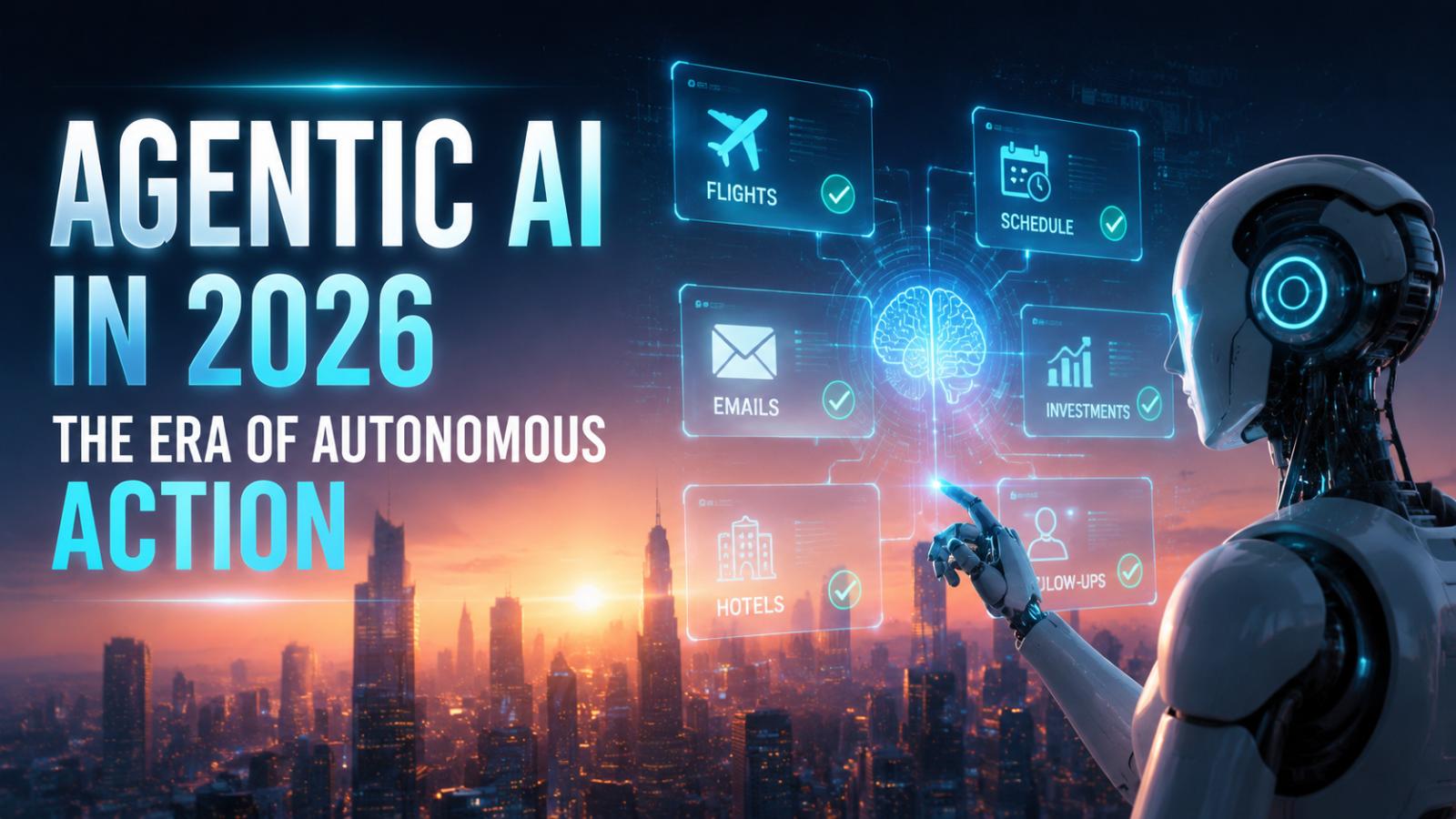
In 2026, agentic ai is changing how people use technology in daily life. It is a system where AI does not only answer questions but also completes full tasks. This means users can give one simple goal, and the AI handles everything needed to finish it. From booking flights to managing emails and schedules, agentic ai works like a digital worker instead of a simple chatbot.
How Agentic AI works
Un
In 2026, agentic ai is changing how people use technology in daily life. It is a system where AI does not only answer questions but also completes full tasks. This means users can give one simple goal, and the AI handles everything needed to finish it. From booking flights to managing emails and schedules, agentic ai works like a digital worker instead of a simple chatbot.
How Agentic AI works
Un
McDonald’s ArchIQ AI drive-thru test is underway at five locations in the United States, marking another attempt by the fast-food chain to bring artificial intelligence into restaurant ordering.
The system, called ArchIQ and also referred to as Archy, is part of the company’s McDonald’s Next strategy, which focuses on technology, operations and service improvements.
McDonald’s ArchIQ AI Drive-Thru Test Focuses on Faster Ordering
Accordi
McDonald’s ArchIQ AI drive-thru test is underway at five locations in the United States, marking another attempt by the fast-food chain to bring artificial intelligence into restaurant ordering.
The system, called ArchIQ and also referred to as Archy, is part of the company’s McDonald’s Next strategy, which focuses on technology, operations and service improvements.
McDonald’s ArchIQ AI Drive-Thru Test Focuses on Faster Ordering
Accordi
Anthropic Valuation Climbs
Anthropic announced on Thursday, May 28, that it raised $65 billion in a new funding round, lifting its valuation to $965 billion and placing the company ahead of OpenAI in the fast-moving artificial intelligence market. The company, led by former OpenAI executive Dario Amodei, has gained attention for Claude, its advanced AI assistant, and for its growing strength in coding, ente
Anthropic Valuation Climbs
Anthropic announced on Thursday, May 28, that it raised $65 billion in a new funding round, lifting its valuation to $965 billion and placing the company ahead of OpenAI in the fast-moving artificial intelligence market. The company, led by former OpenAI executive Dario Amodei, has gained attention for Claude, its advanced AI assistant, and for its growing strength in coding, ente
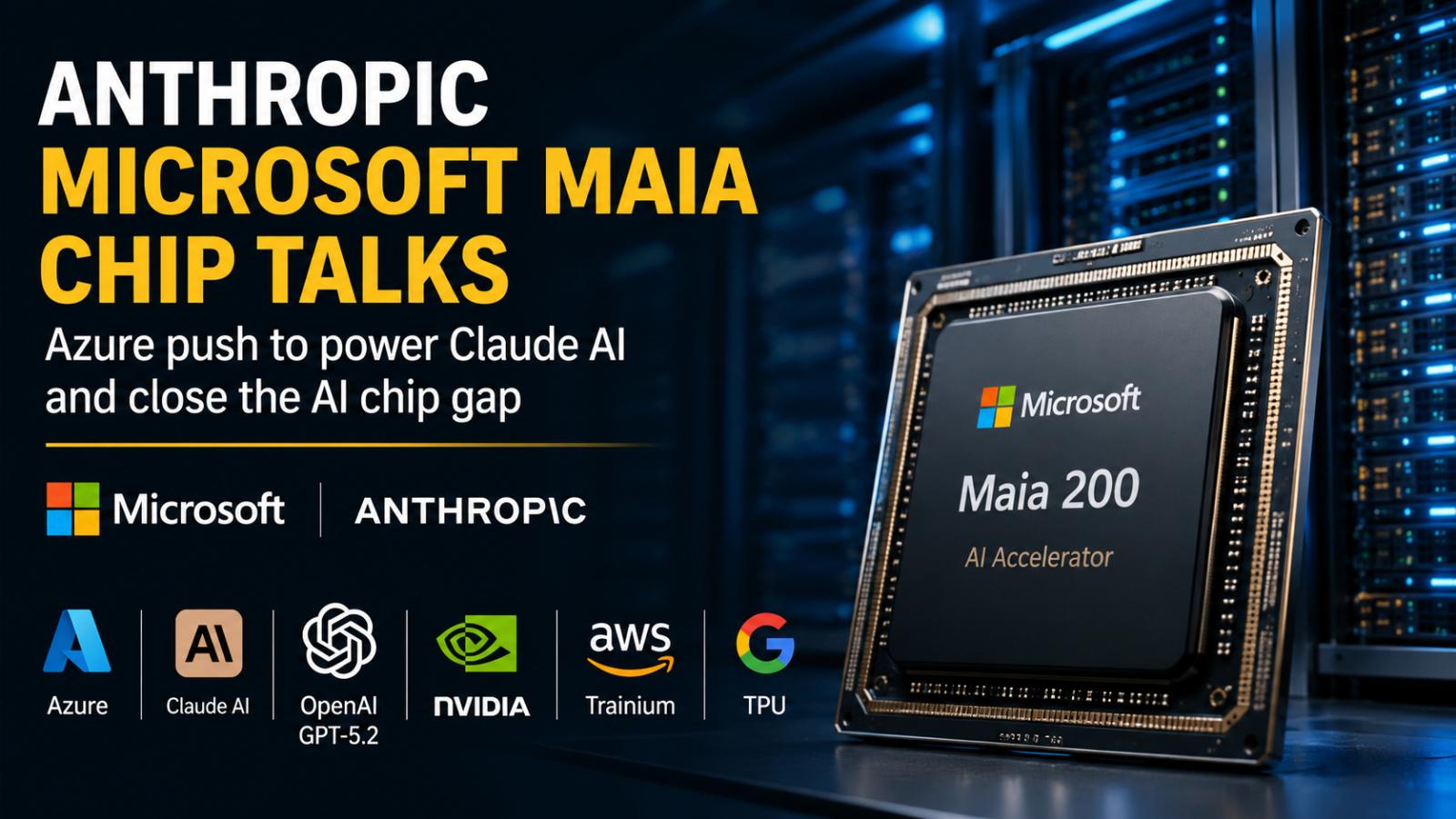
Anthropic Azure Maia 200 deal talks could give Microsoft a major test case for its in-house AI chips as cloud companies compete for high-demand artificial intelligence workloads. Microsoft is in early discussions to supply Anthropic with servers powered by Maia AI chips, Reuters reported on Thursday, May 21, 2026, at 1:14 PM UTC, citing The Information.
The talks remain preliminary and may not lead to a final agreement.
Why the An
Anthropic Azure Maia 200 deal talks could give Microsoft a major test case for its in-house AI chips as cloud companies compete for high-demand artificial intelligence workloads. Microsoft is in early discussions to supply Anthropic with servers powered by Maia AI chips, Reuters reported on Thursday, May 21, 2026, at 1:14 PM UTC, citing The Information.
The talks remain preliminary and may not lead to a final agreement.
Why the An
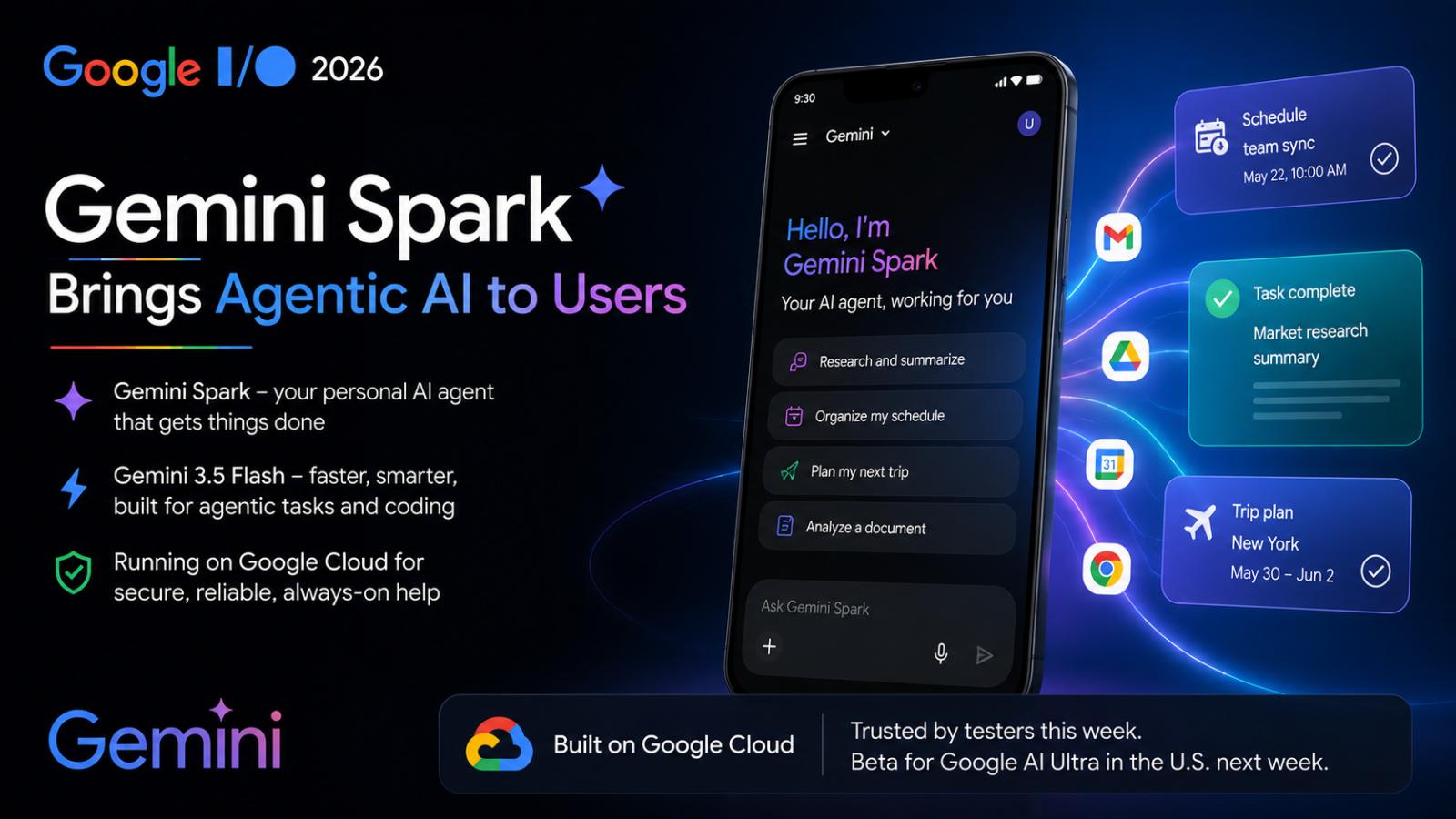
Google used its annual developer conference on Tuesday, May 19, 2026, in Mountain View, California, to introduce new Gemini AI tools aimed at making its assistant more proactive and task-focused.
The biggest consumer-facing update is Gemini Spark, a personal AI agent inside the Gemini app that Google says can help users manage digital tasks under their direction. The company said Spark will run on dedicated virtual machines on Google Cloud, allowing
Google used its annual developer conference on Tuesday, May 19, 2026, in Mountain View, California, to introduce new Gemini AI tools aimed at making its assistant more proactive and task-focused.
The biggest consumer-facing update is Gemini Spark, a personal AI agent inside the Gemini app that Google says can help users manage digital tasks under their direction. The company said Spark will run on dedicated virtual machines on Google Cloud, allowing