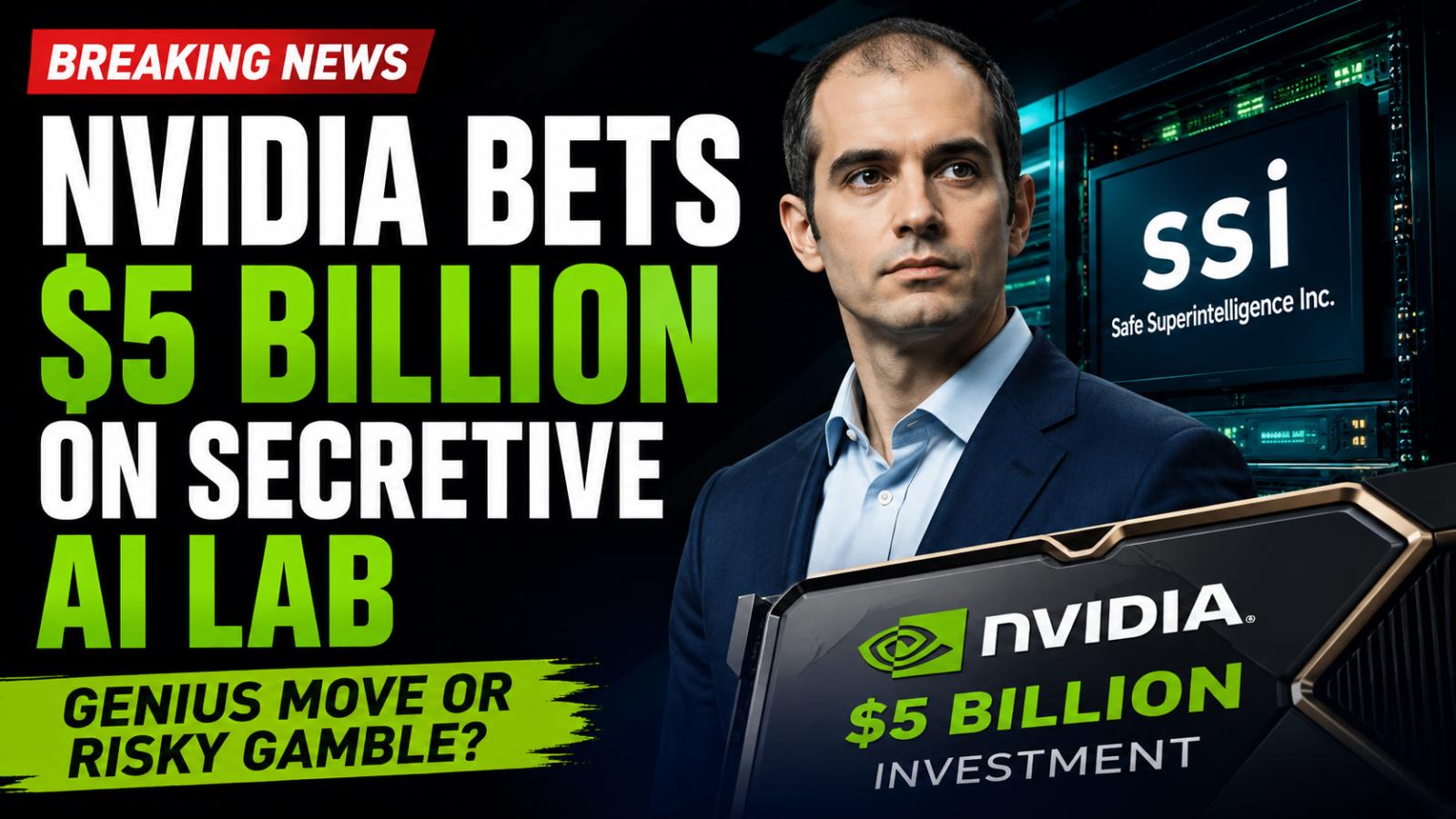
Nvidia’s reported $5 billion investment in Safe Superintelligence backs an AI company with no public product, revenue or benchmark results. The Nvidia SSI investment expands the lab’s Vera Rubin compute while renewing debate over AI funding, startup valuations and infrastructure risk.
Nvidia SSI Investment Expands Vera Rubin Compute
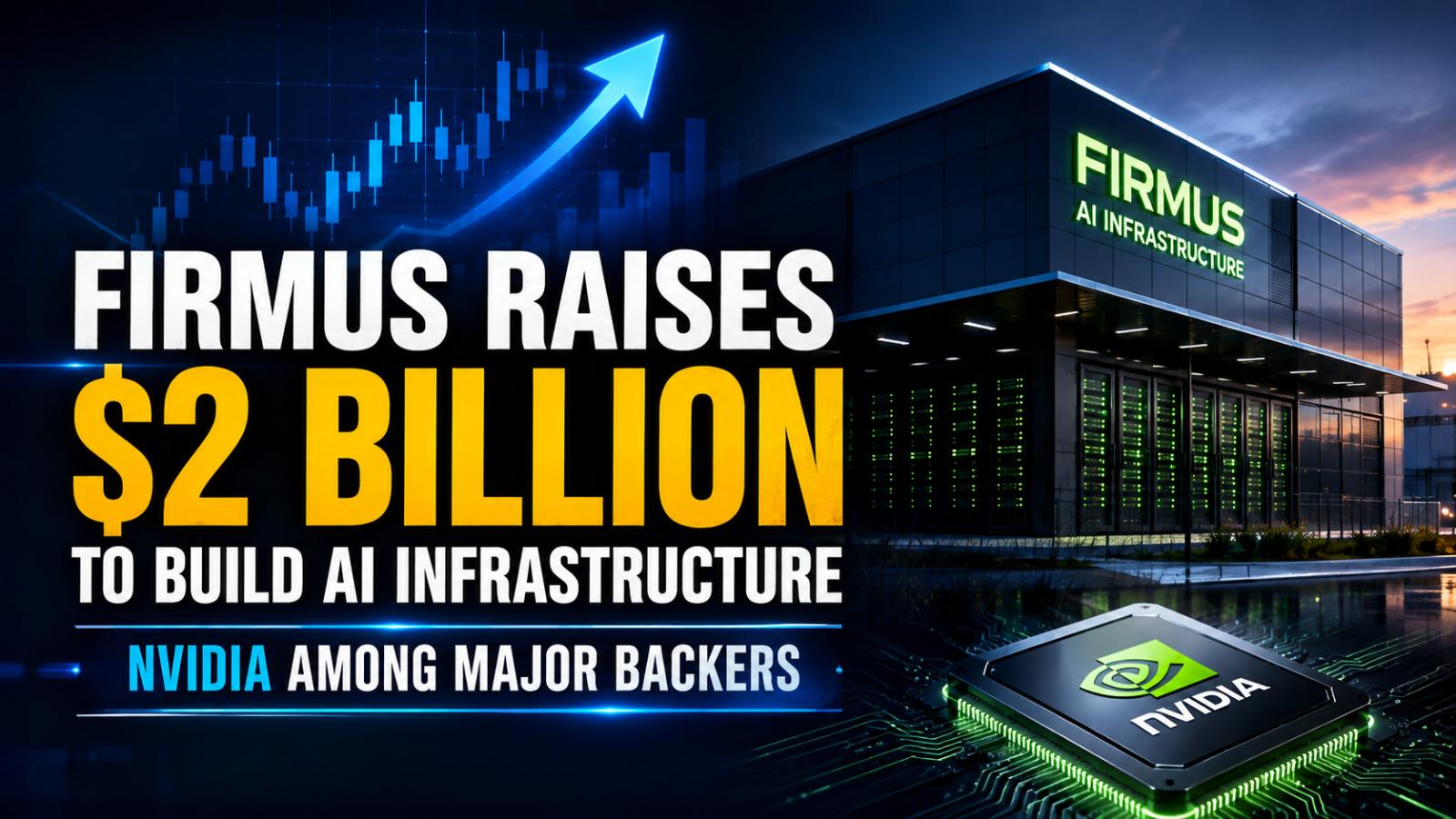
Nvidia and Safe Superintelligence Inc. announced a long-term strategic partnership on July 27, 2026. The official statement confirmed that Nvidia had invested in SSI but did not disclose the financial terms. It said access to Nvidia’s Vera Rubin systems would increase SSI’s available computing capacity by an order of magnitude.
Financial Times reporting placed Nvidia’s commitment at about $5 billion, potentially making it one of the chipmaker’s largest investments in an artificial intelligence startup. The report said the funding would be linked to development milestones as SSI scales a research breakthrough that it has not publicly described.
The distinction matters. Nvidia and SSI have confirmed the partnership and investment, but the widely reported $5 billion figure has not been included in their public announcement. Any coverage should present that amount as reported rather than officially confirmed.
SSI Valuation Depends Heavily on Research Reputation
SSI was founded in 2024 by former OpenAI chief scientist Ilya Sutskever and describes itself as a “straight-shot” laboratory focused on one objective: developing safe superintelligence. Its website says that goal represents its complete product roadmap, rather than one project among several commercial services.
The company has released no public product, detailed research paper, independent benchmark or revenue figure. Reports place its valuation at approximately $32 billion, while the Nvidia investment would bring total funding commitments to around $7 billion. However, public accounts differ on how much of that total represents completed equity financing, cloud capacity or other commitments.
That uncertainty exposes the unusual nature of the investment. Investors are not evaluating an established customer base or a product with measurable demand. They are largely betting that Sutskever’s research record, technical team and access to massive computing resources will eventually produce a breakthrough with exceptional commercial and strategic value.
Sutskever’s reputation gives that argument credibility. He co-founded OpenAI, served as its chief scientist and contributed to influential deep-learning research, including work connected to the development of large-scale language models. Still, reputation cannot replace independent evidence forever. At some point, SSI will need to demonstrate technical progress that outsiders can evaluate.
Nvidia AI Strategy Creates Its Own Chip Demand
For Nvidia, the SSI agreement offers more than a potential return on startup equity. The partnership directly increases demand for Nvidia’s own computing systems. SSI receives the capital and infrastructure required to expand its research, while Nvidia secures another major customer for its newest hardware.
This approach fits Nvidia’s broader AI strategy. The company is also reportedly discussing large financing guarantees connected to a proposed OpenAI data-centre campus in Ohio, where Nvidia would supply computing equipment. Those negotiations remain preliminary and may not produce final agreements.
The model is commercially logical because access to advanced compute remains a major constraint for AI laboratories. Nvidia has the balance sheet, hardware and strategic incentive to finance companies that will consume its systems.
However, this creates concentration risk. Nvidia’s investments can stimulate demand for Nvidia chips, meaning part of the AI market’s growth may depend on suppliers helping customers finance their purchases. That does not make the demand artificial, but it makes the financial relationship more circular and harder to evaluate.
AI Infrastructure Risk Faces Greater Scrutiny
The investment arrived during a volatile period for semiconductor shares. Chip stocks experienced a sharp July decline as investors questioned whether enormous spending on artificial intelligence infrastructure would generate sufficient long-term returns. The semiconductor-focused SOXX exchange-traded fund reportedly fell more than 22% during the month.
SSI represents the most aggressive version of the AI investment thesis: commit billions before a company releases a product, generates revenue or publishes evidence that its technology works.
The deal could prove visionary if SSI develops a commercially valuable and demonstrably safer form of advanced intelligence. It could also become an example of how reputation, scarce research talent and access to computing power pushed AI valuations ahead of measurable results.
For now, Nvidia has purchased exposure to Sutskever’s next breakthrough while creating future demand for Vera Rubin systems. What remains missing is the evidence needed to determine whether SSI’s technology can justify a $32 billion valuation.