#aiinvestment
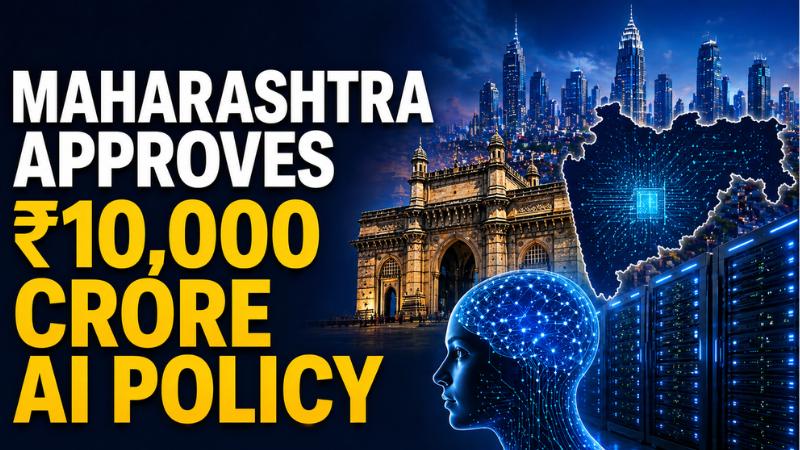
₹10,000 Cr AI Push: Maharashtra Targets Startups, Jobs And Tech Growth
Maharashtra has approved a ₹10,000 crore AI policy to build advanced infrastructure, boost startups, create jobs, and position the state as a leader in ethical artificial intelligence. The Maharashtra government has approved a comprehensive Artificial Intelligence (AI) policy with a proposed investment of ₹10,000 crore, marking a major push toward building advanced digital infrastructure in the state. The policy, cleared on Wednesday, aims to establish 6 AI Exc
₹10,000 Cr AI Push: Maharashtra Targets Startups, Jobs And Tech Growth
Maharashtra has approved a ₹10,000 crore AI policy to build advanced infrastructure, boost startups, create jobs, and position the state as a leader in ethical artificial intelligence. The Maharashtra government has approved a comprehensive Artificial Intelligence (AI) policy with a proposed investment of ₹10,000 crore, marking a major push toward building advanced digital infrastructure in the state. The policy, cleared on Wednesday, aims to establish 6 AI Exc
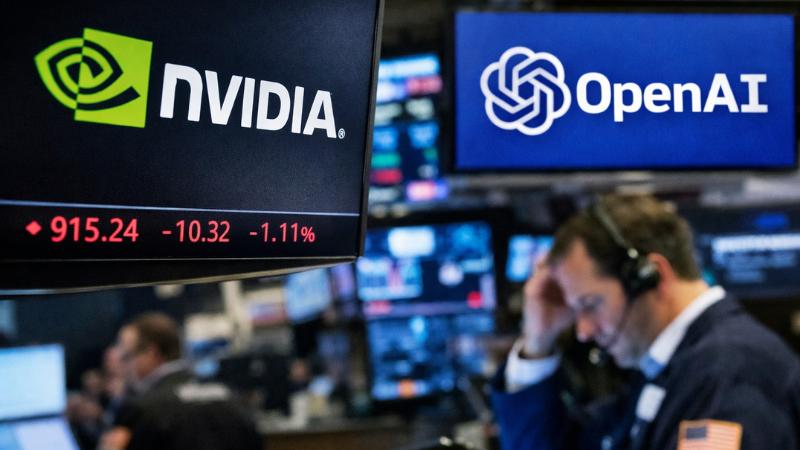
Nvidia shares dip as uncertainty clouds potential OpenAI investment plans
Nvidia shares declined on Monday as uncertainty surrounding the chipmaker’s potential investment in OpenAI weighed on investor sentiment. The stock slipped in early trading after reports suggested that previously announced plans involving a massive financial commitment to the artificial intelligence company may not yet be finalized. The market reaction underscored growing sensitivity around large-scale AI investments and the evolving relationships among major technology players. T
Nvidia shares dip as uncertainty clouds potential OpenAI investment plans
Nvidia shares declined on Monday as uncertainty surrounding the chipmaker’s potential investment in OpenAI weighed on investor sentiment. The stock slipped in early trading after reports suggested that previously announced plans involving a massive financial commitment to the artificial intelligence company may not yet be finalized. The market reaction underscored growing sensitivity around large-scale AI investments and the evolving relationships among major technology players. T
Saudi crown prince’s $1 trillion US pledge sparks questions over sovereign fund liquidity
During his recent visit to the United States, Saudi Arabia’s crown prince, Mohammed bin Salman, made a high-profile commitment to invest $1 trillion in Washington while seated beside the US president at the Oval Office. The announcement underscored the scale of Saudi Arabia’s financial ambitions, but it also renewed debate over whether the kingdom’s sovereign wealth fund has sufficient liquidity to support such a massive pledge at a time when its domestic projects are encountering financial strain. Much of the responsibility for executing the investment promise would likely fall on the Public Investment Fund, the kingdom’s flagship sovereign wealth fund, which has been under increasing pressure due to slowing returns from several large-scale ventures. The Public Investment Fund has for years been at the centre of Saudi Arabia’s economic transformation strategy, financing ambitious projects intended to diversify the nation’s oil-dependent economy. While the fund officially controls assets valued at approximately $1 trillion, a significant portion is tied up in holdings that are difficult to liquidate and lack transparent public valuations. The situation has prompted fund officials, according to people familiar with internal discussions, to caution international partners that future allocations may be scaled back until liquidity conditions improve. This comes at a time when Saudi Arabia is seeking additional capital for ongoing megaprojects that have already absorbed substantial resources. Among the most prominent initiatives facing headwinds is Neom, the futuristic development planned for the kingdom’s northwest. Conceived as a hub for advanced technology, sustainable living, and major tourism attractions, Neom was expected to showcase the scale and innovation of Saudi Arabia’s modernisation efforts. However, the project has encountered delays, rising costs, and questions about its commercial viability. Similar challenges have surfaced across other ventures funded by the PIF, including luxury Red Sea resorts that remain largely unoccupied despite significant investment. These difficulties have intensified scrutiny over the fund’s ability to sustain its commitments while supporting a broad portfolio of domestic developments. Saudi Arabia continues to benefit from substantial oil reserves, but its energy revenues have been constrained by production cuts linked to global market agreements alongside relatively subdued crude prices. As a result, the kingdom is managing a budget deficit and has increased borrowing to support national spending priorities. Analysts note that these fiscal pressures add complexity to the crown prince’s pledge, which arrives at a moment when the government is balancing long-term economic goals with short-term financial realities. The PIF, established in 1971 to support nationally significant industries, grew slowly for decades before being placed under Prince Mohammed’s direct authority in 2015. Since then, the fund has taken on a far more expansive role, backed by injections of government capital, redirected oil revenues, and assets seized under anti-corruption campaigns. Its portfolio now spans global equities, domestic infrastructure, and emerging sectors such as artificial intelligence, reflecting the prince’s drive to position the kingdom as a major player in future technologies. Despite achieving notable gains during periods of rising markets, the fund’s more recent initiatives have faced tougher conditions. In response to financial pressures, the fund’s leadership has reportedly adjusted internal forecasts, restructured teams, and replaced executives overseeing underperforming ventures. Officials have also signalled a shift in focus toward private investments in technology firms, an area viewed as strategically important to the kingdom’s long-term plans. These moves come as global investors track the fund’s evolving strategy, especially given the symbolic weight of the crown prince’s $1 trillion pledge. While signs of strain are evident within the fund’s operations, analysts caution that it is premature to conclude that Saudi Arabia is facing broader economic distress. The kingdom retains substantial financial capacity, and its long-term diversification agenda continues to receive strong state backing. However, the contrast between ambitious international commitments and the financial demands of domestic megaprojects has raised questions about sustainability. Observers will be watching closely to determine whether the kingdom can balance its aspirations abroad with the fiscal realities at home, particularly as the PIF navigates a period of tighter liquidity and heightened scrutiny.
Saudi crown prince’s $1 trillion US pledge sparks questions over sovereign fund liquidity
During his recent visit to the United States, Saudi Arabia’s crown prince, Mohammed bin Salman, made a high-profile commitment to invest $1 trillion in Washington while seated beside the US president at the Oval Office. The announcement underscored the scale of Saudi Arabia’s financial ambitions, but it also renewed debate over whether the kingdom’s sovereign wealth fund has sufficient liquidity to support such a massive pledge at a time when its domestic projects are encountering financial strain. Much of the responsibility for executing the investment promise would likely fall on the Public Investment Fund, the kingdom’s flagship sovereign wealth fund, which has been under increasing pressure due to slowing returns from several large-scale ventures. The Public Investment Fund has for years been at the centre of Saudi Arabia’s economic transformation strategy, financing ambitious projects intended to diversify the nation’s oil-dependent economy. While the fund officially controls assets valued at approximately $1 trillion, a significant portion is tied up in holdings that are difficult to liquidate and lack transparent public valuations. The situation has prompted fund officials, according to people familiar with internal discussions, to caution international partners that future allocations may be scaled back until liquidity conditions improve. This comes at a time when Saudi Arabia is seeking additional capital for ongoing megaprojects that have already absorbed substantial resources. Among the most prominent initiatives facing headwinds is Neom, the futuristic development planned for the kingdom’s northwest. Conceived as a hub for advanced technology, sustainable living, and major tourism attractions, Neom was expected to showcase the scale and innovation of Saudi Arabia’s modernisation efforts. However, the project has encountered delays, rising costs, and questions about its commercial viability. Similar challenges have surfaced across other ventures funded by the PIF, including luxury Red Sea resorts that remain largely unoccupied despite significant investment. These difficulties have intensified scrutiny over the fund’s ability to sustain its commitments while supporting a broad portfolio of domestic developments. Saudi Arabia continues to benefit from substantial oil reserves, but its energy revenues have been constrained by production cuts linked to global market agreements alongside relatively subdued crude prices. As a result, the kingdom is managing a budget deficit and has increased borrowing to support national spending priorities. Analysts note that these fiscal pressures add complexity to the crown prince’s pledge, which arrives at a moment when the government is balancing long-term economic goals with short-term financial realities. The PIF, established in 1971 to support nationally significant industries, grew slowly for decades before being placed under Prince Mohammed’s direct authority in 2015. Since then, the fund has taken on a far more expansive role, backed by injections of government capital, redirected oil revenues, and assets seized under anti-corruption campaigns. Its portfolio now spans global equities, domestic infrastructure, and emerging sectors such as artificial intelligence, reflecting the prince’s drive to position the kingdom as a major player in future technologies. Despite achieving notable gains during periods of rising markets, the fund’s more recent initiatives have faced tougher conditions. In response to financial pressures, the fund’s leadership has reportedly adjusted internal forecasts, restructured teams, and replaced executives overseeing underperforming ventures. Officials have also signalled a shift in focus toward private investments in technology firms, an area viewed as strategically important to the kingdom’s long-term plans. These moves come as global investors track the fund’s evolving strategy, especially given the symbolic weight of the crown prince’s $1 trillion pledge. While signs of strain are evident within the fund’s operations, analysts caution that it is premature to conclude that Saudi Arabia is facing broader economic distress. The kingdom retains substantial financial capacity, and its long-term diversification agenda continues to receive strong state backing. However, the contrast between ambitious international commitments and the financial demands of domestic megaprojects has raised questions about sustainability. Observers will be watching closely to determine whether the kingdom can balance its aspirations abroad with the fiscal realities at home, particularly as the PIF navigates a period of tighter liquidity and heightened scrutiny.
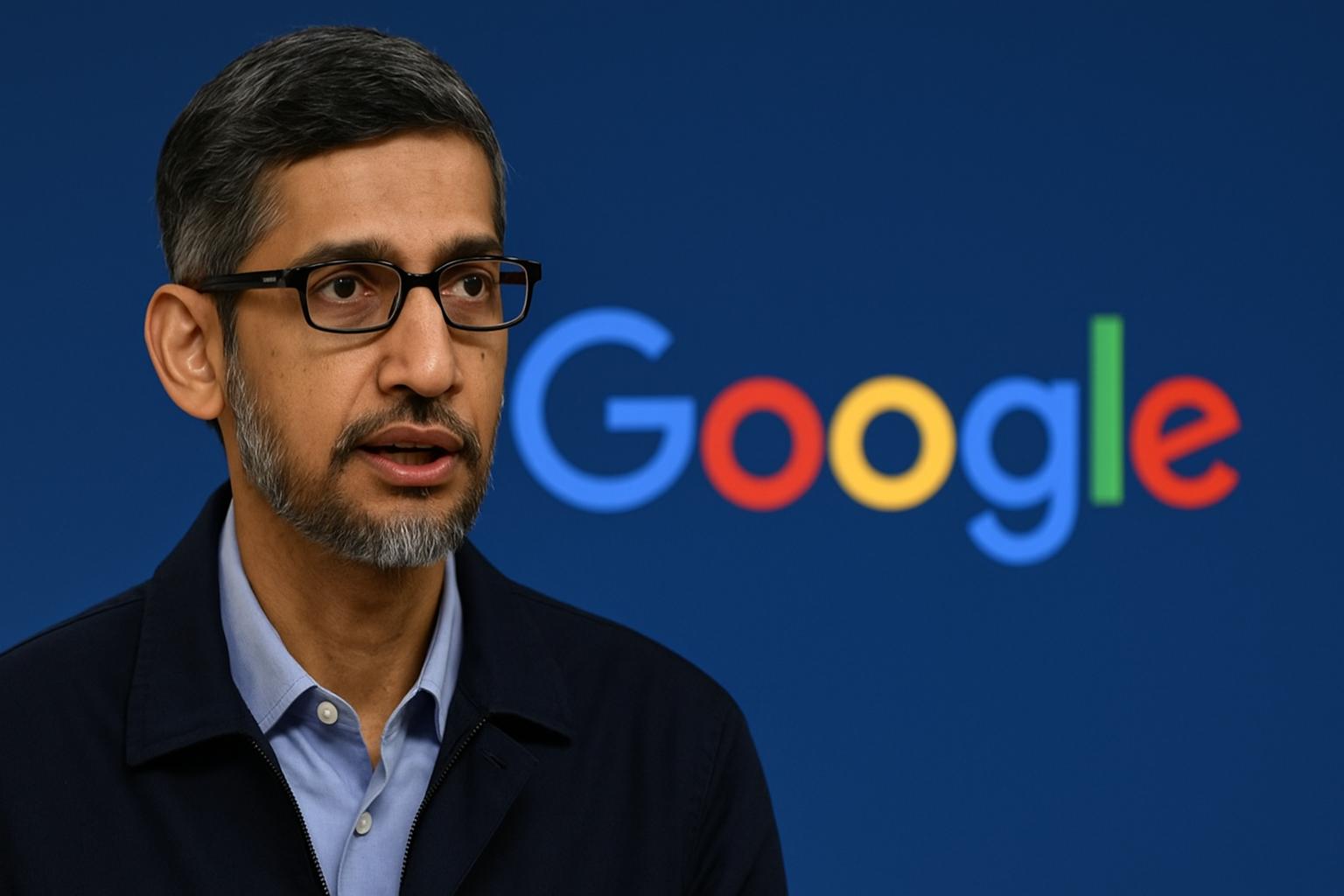
Sundar Pichai warns AI boom carries risks as global excitement surges
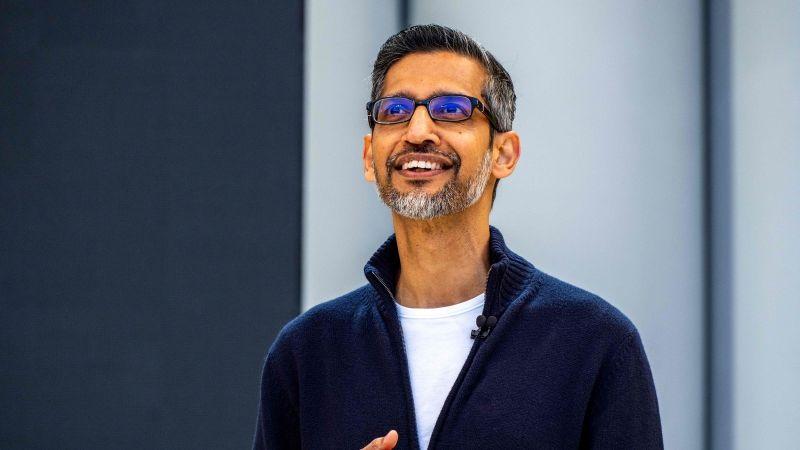
Google chief executive Sundar Pichai has urged caution as global enthusiasm for artificial intelligence continues to fuel record valuations and intense competition across the technology sector. In an interview, Pichai described the present moment as remarkable for innovation, yet marked by clear signs that investor expectations may be stretching beyond what the industry can sustain. His comments arrive at a time when comparisons to previous periods of market exuberance, particularly the late
Sundar Pichai warns AI boom carries risks as global excitement surges
Google chief executive Sundar Pichai has urged caution as global enthusiasm for artificial intelligence continues to fuel record valuations and intense competition across the technology sector. In an interview, Pichai described the present moment as remarkable for innovation, yet marked by clear signs that investor expectations may be stretching beyond what the industry can sustain. His comments arrive at a time when comparisons to previous periods of market exuberance, particularly the late
Amazon plans major layoffs as AI reshapes its workforce strategy
Amazon is reportedly preparing for another significant round of job cuts, this time targeting its human resources division as part of a broader organizational shift toward automation and artificial intelligence. According to people familiar with internal discussions, the company may reduce up to 15 percent of staff within its People eXperience and Technology (PXT) department, a key unit responsible for managing employee relations and corporate culture. While the exact number of layoffs and th
Amazon plans major layoffs as AI reshapes its workforce strategy
Amazon is reportedly preparing for another significant round of job cuts, this time targeting its human resources division as part of a broader organizational shift toward automation and artificial intelligence. According to people familiar with internal discussions, the company may reduce up to 15 percent of staff within its People eXperience and Technology (PXT) department, a key unit responsible for managing employee relations and corporate culture. While the exact number of layoffs and th
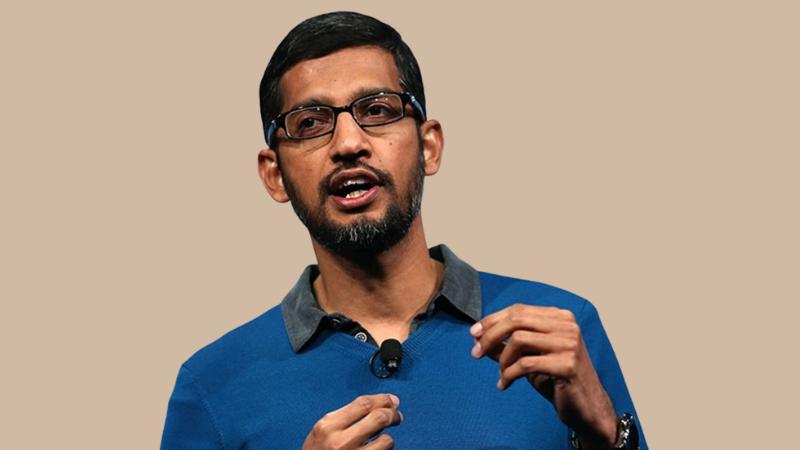
Google Cuts 35% Of Manager Roles As Sundar Pichai Pushes For Efficiency
Google has eliminated 35 per cent of its managerial roles overseeing small teams in what is being described as one of the company’s biggest leadership shakeups in recent years. The move is part of CEO Sundar Pichai’s ongoing push to reduce bureaucracy and speed up decision-making, even as the tech giant doubles down on artificial intelligence investments. At a recent all-hands meeting, Brian Welle, Google
Google Cuts 35% Of Manager Roles As Sundar Pichai Pushes For Efficiency
Google has eliminated 35 per cent of its managerial roles overseeing small teams in what is being described as one of the company’s biggest leadership shakeups in recent years. The move is part of CEO Sundar Pichai’s ongoing push to reduce bureaucracy and speed up decision-making, even as the tech giant doubles down on artificial intelligence investments. At a recent all-hands meeting, Brian Welle, Google
Sundar Pichai’s Net Worth Crosses $1.1 Billion as Alphabet Stock Nears Record High
Alphabet Inc. CEO Sundar Pichai has officially joined the exclusive club of billionaires in 2025, with his net worth crossing $1.1 billion, according to the Bloomberg Billionaires Index. The surge comes as Alphabet’s stock has delivered a remarkable 120% return to investors since 2023, driven largely by strong quarterly earnings, increased AI investments, and growing global digital infrastructure. Pichai, who o
Sundar Pichai’s Net Worth Crosses $1.1 Billion as Alphabet Stock Nears Record High
Alphabet Inc. CEO Sundar Pichai has officially joined the exclusive club of billionaires in 2025, with his net worth crossing $1.1 billion, according to the Bloomberg Billionaires Index. The surge comes as Alphabet’s stock has delivered a remarkable 120% return to investors since 2023, driven largely by strong quarterly earnings, increased AI investments, and growing global digital infrastructure. Pichai, who o
Microsoft to Lay Off Employees, Targeting Xbox Division in Latest Restructuring
Microsoft is reportedly preparing for another round of job cuts, with the Xbox division expected to bear the brunt of this restructuring. This move, anticipated to be announced early next week, marks what is set to be the fourth major layoff at the company in the past 18 months. The layoffs are part of a broader effort to reorganize Microsoft as the company approaches the end of its fiscal year on June 30, 2025. Acco
Microsoft to Lay Off Employees, Targeting Xbox Division in Latest Restructuring
Microsoft is reportedly preparing for another round of job cuts, with the Xbox division expected to bear the brunt of this restructuring. This move, anticipated to be announced early next week, marks what is set to be the fourth major layoff at the company in the past 18 months. The layoffs are part of a broader effort to reorganize Microsoft as the company approaches the end of its fiscal year on June 30, 2025. Acco
Google rolls out employee buyouts as part of broader AI-focused restructuring
Google has initiated a new round of voluntary buyouts aimed at reducing headcount across several major divisions in the United States, including its knowledge and information unit, central engineering, marketing, research, and communications teams. The move is part of Google’s ongoing strategy to manage workforce costs while reallocating resources toward artificial intelligence infrastructure and other business-critical areas. The voluntary exit program (VEP), confirmed by the company,
Google rolls out employee buyouts as part of broader AI-focused restructuring
Google has initiated a new round of voluntary buyouts aimed at reducing headcount across several major divisions in the United States, including its knowledge and information unit, central engineering, marketing, research, and communications teams. The move is part of Google’s ongoing strategy to manage workforce costs while reallocating resources toward artificial intelligence infrastructure and other business-critical areas. The voluntary exit program (VEP), confirmed by the company,
Middle East fast becoming global tech hub with AI, startups and cloud infrastructure
The Middle East is rapidly positioning itself as a significant force in global technology, with countries like Saudi Arabia, the United Arab Emirates, and Qatar taking bold steps to attract international tech investors and build local capacity. These nations are not only signing multibillion-dollar deals but also enacting legal reforms, fostering startup ecosystems, and constructing the infrastructure needed to support advanced artificial intelligence systems and cloud-based technologies. Thi
Middle East fast becoming global tech hub with AI, startups and cloud infrastructure
The Middle East is rapidly positioning itself as a significant force in global technology, with countries like Saudi Arabia, the United Arab Emirates, and Qatar taking bold steps to attract international tech investors and build local capacity. These nations are not only signing multibillion-dollar deals but also enacting legal reforms, fostering startup ecosystems, and constructing the infrastructure needed to support advanced artificial intelligence systems and cloud-based technologies. Thi