Amazon is reportedly preparing for another significant round of job cuts, this time targeting its human resources division as part of a broader organizational shift toward automation and artificial intelligence. According to people familiar with internal discussions, the company may reduce up to 15 percent of staff within its People eXperience and Technology (PXT) department, a key unit responsible for managing employee relations and corporate culture. While the exact number of layoffs and the implementation timeline remain uncertain, insiders indicate that the restructuring could begin before the end of the year.
The planned cuts reflect a continuing trend of cost discipline and structural realignment under CEO Andy Jassy, who has made AI and cloud infrastructure the cornerstone of Amazon’s next growth phase. This development follows several smaller job reductions over the past year across Amazon’s consumer devices, podcast, and cloud divisions. However, this round appears to be more sweeping, signaling a deliberate move to reshape the company’s human capital strategy in line with its technological ambitions.
Under Jassy’s leadership, Amazon has already carried out the largest layoffs in its corporate history, eliminating roughly 27,000 roles between 2022 and 2023. Those reductions were primarily linked to overexpansion during the pandemic years and the subsequent cooling of e-commerce demand. The current initiative, by contrast, seems rooted in the company’s long-term shift toward automation, efficiency, and AI-driven operations that reduce dependency on traditional corporate roles.
Amazon has pledged over $100 billion in capital investments this year, with a large portion directed toward building next-generation data centers designed to support artificial intelligence workloads for both internal systems and external clients. This massive financial commitment underscores the company’s determination to position itself at the forefront of the AI race, competing aggressively with other tech giants investing heavily in the same space.
In an internal memo circulated earlier this year, Jassy emphasized that artificial intelligence would play a defining role in the company’s evolution. He encouraged employees to adapt by learning and applying AI tools in their daily functions, asserting that those who embrace technological change will remain integral to Amazon’s reinvention. Yet, his message also carried a cautionary note, acknowledging that widespread adoption of AI across departments would inevitably lead to workforce reductions as efficiency gains replace certain human functions.
This pragmatic but unsettling approach has become a hallmark of Jassy’s management style. Known for his focus on financial discipline, the CEO has encouraged “unregretted attrition,” a corporate term describing the voluntary or managed exit of employees deemed nonessential to long-term goals. However, the upcoming layoffs are reportedly more extensive than typical attrition cycles, hinting at a deeper organizational restructuring that could redefine how Amazon manages its vast employee base.
Adding an ironic twist to the timing, Amazon’s restructuring comes just as the company launches a massive seasonal hiring drive, planning to bring on approximately 250,000 temporary workers across its U.S. logistics network for the holiday season. The contrast between white-collar layoffs and warehouse expansion reflects the dual nature of Amazon’s business — streamlining its corporate functions while strengthening its frontline workforce to meet fluctuating consumer demand.
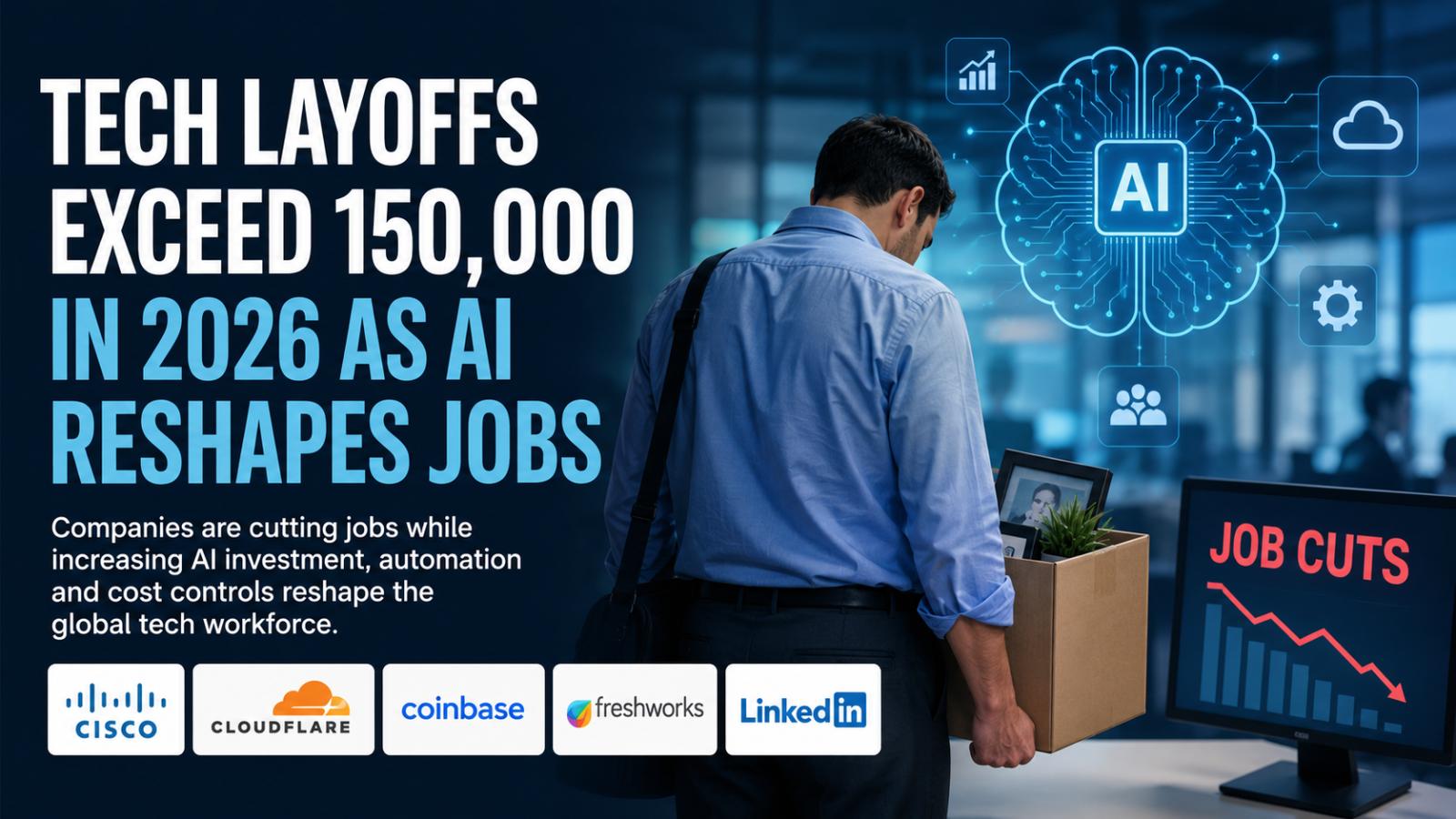
Industry analysts suggest that Amazon’s latest move highlights a broader trend across the technology sector, where artificial intelligence is accelerating structural change and redefining job roles at every level. For Amazon, this transition represents both an opportunity and a challenge: the chance to become a global leader in AI infrastructure, and the risk of alienating employees as the company pursues automation at scale.
For thousands of Amazon workers, especially those within the PXT division, uncertainty now looms large. As the company’s focus pivots decisively toward machine learning, data efficiency, and cloud expansion, many long-serving employees are left wondering if there will still be a place for them in an increasingly automated Amazon.
While the final scope of layoffs remains to be seen, one thing is clear — Amazon’s identity as a workplace is evolving. What began as an online retail empire is rapidly transforming into a technology powerhouse defined by artificial intelligence, automation, and relentless operational efficiency. For employees within the PXT unit and beyond, the coming months could mark a defining moment in the company’s history — one that tests not just its innovation capacity, but also its commitment to the people who helped build it.