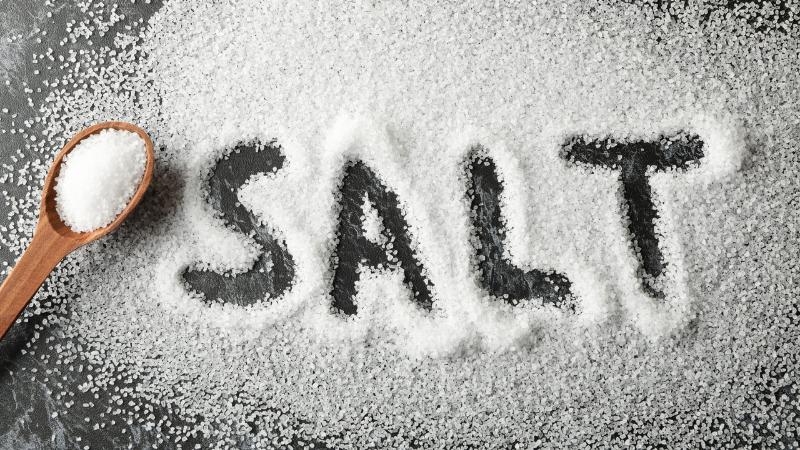
Salt is an essential part of our diet, but too much of it can cause serious health problems. According to the World Health Organisation (WHO), adults should consume no more than 5 grams of salt per day, which is roughly equivalent to one teaspoon. Despite this recommendation, most people consume much more nearly double the safe limit putting them at significant risk for heart disease, stroke, and other health conditions.
The Health Risks of High Salt Intake
Excessive salt intake is strongly linked to high blood pressure (hypertension), heart disease, kidney damage, and even stomach cancer. The Global Burden of Disease (GBD) study highlights that over 1.89 million deaths were attributed to excessive salt consumption in 2019. Studies have shown that a reduction of just 1 gram of sodium per day could prevent 9 million cardiovascular deaths by 2030. Yet, despite these risks, many individuals unknowingly consume too much salt through home-cooked meals, processed foods, and restaurant meals.
In India, the average person consumes around 10.9 grams of salt daily, far above the recommended limit. If salt intake in India were reduced by 30%, 400,000 deaths could be prevented by 2030, according to experts. High sodium intake remains a significant contributor to premature death, particularly due to its connection to hypertension and heart disease.
Balancing Salt Intake: Too Little Can Be Harmful Too
While reducing salt is important, the key is balance. Extremely low sodium intake can also have negative effects, such as increased insulin resistance, high cholesterol, and higher mortality in individuals with existing heart conditions. Studies, including a 2016 review in The Lancet, have shown that both very high and very low sodium intake can increase cardiovascular risk, indicating a U-shaped curve. The sweet spot appears to be around 3-5 grams of salt per day, or 1.2-2 grams of sodium, for optimal health.
How to Reduce Salt in Your Diet
To avoid excess salt consumption, here are a few tips:
- Stick to less than 5 grams of salt (1 teaspoon) per day.
- Use herbs, spices, and lemon juice to flavor your food instead of salt.
- Cut back on processed foods and restaurant meals, which are often high in sodium.
- Be mindful of condiments like soy sauce, ketchup, and chutneys, which can be high in salt.
- Choose low-sodium packaged foods when available.
While pink salt or sea salt is often marketed as a healthier alternative, it contains nearly the same sodium content as regular table salt. The trace minerals it contains are not in sufficient amounts to significantly impact health, so the key still lies in moderation. Salt is essential, but moderation is key. Most people today consume far too much without realizing it. For healthy individuals, aiming for under 5 grams of salt per day is a safe target. However, unless advised by a doctor, extreme sodium restriction is generally unnecessary. Keeping salt intake in check is a simple but effective way to reduce the risk of heart disease, stroke, and other serious conditions.