Cyprus and Bangladesh Compete for UNGA Leadership
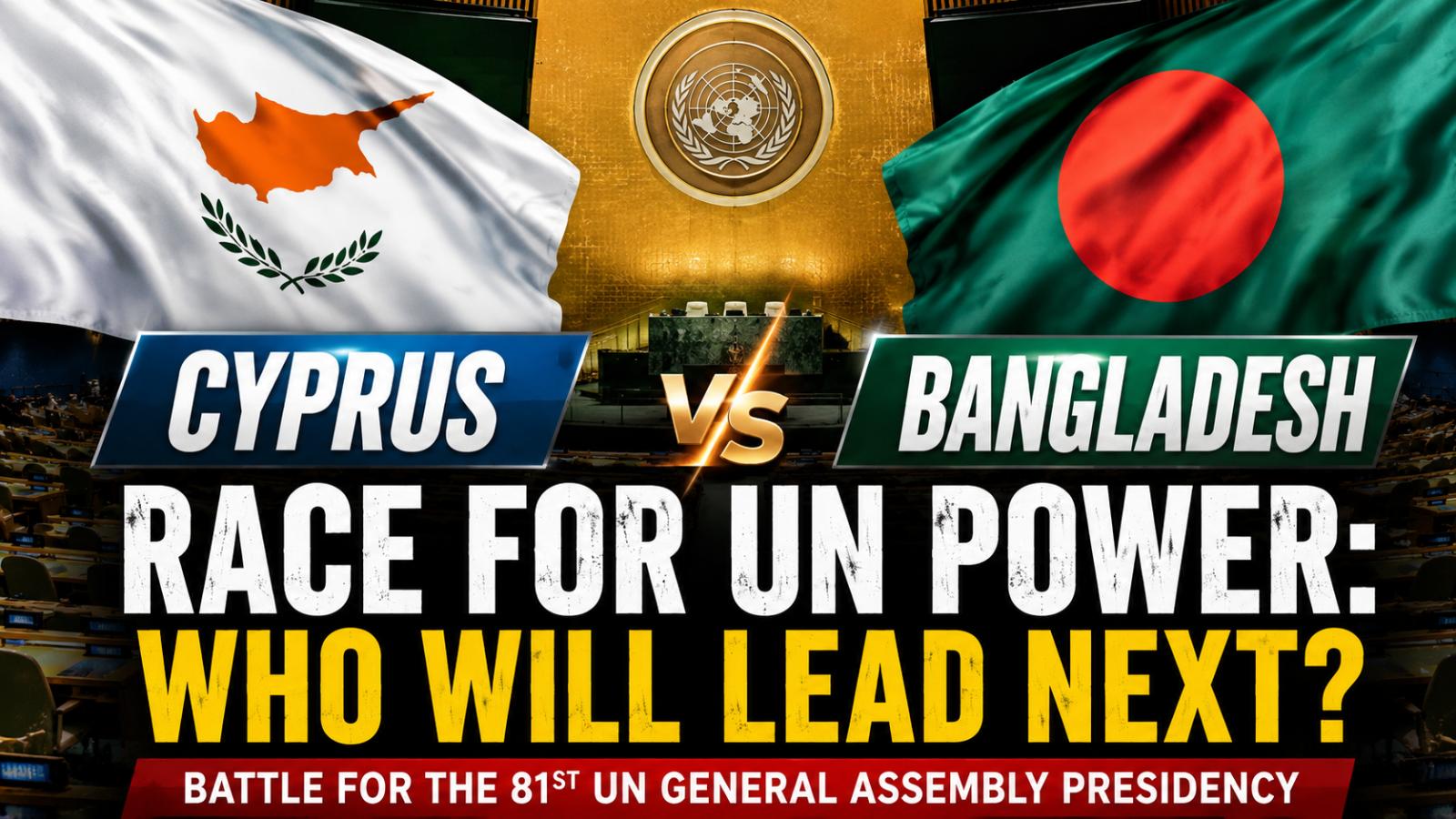
The United Nations is under intense pressure to demonstrate its relevance amid numerous global crises, and attention now turns to the election of the 81st President of the General Assembly. Cyprus and Bangladesh are in a tight contest, with the vote set for Tuesday, 2 June. The winner will assume office when the new session opens in September, overseeing the world’s largest multilateral forum and guiding discussions on peace, climate, and sustainable development.
Role and Responsibilities of the UNGA President
The President of the General Assembly (PGA) serves as the chief presiding officer, responsible for chairing meetings, ruling on procedural matters, and guiding the adoption of resolutions. Beyond procedural duties, the PGA wields considerable convening power and moral authority, setting the tone for the annual session. Recent presidents have leveraged this platform to advocate UN reform, advance climate action, and promote Sustainable Development Goals (SDGs). Both candidates have committed to serving as full-time presidents with strict impartiality.
Andreas Kakouris of Cyprus
Andreas S. Kakouris brings more than 40 years of diplomatic experience, having served as ambassador to the United States, the United Kingdom, and other nations. Currently Special Envoy for Multilateralism, Kakouris positions Cyprus as a bridge-builder, advocating practical multilateralism, transparency, and inclusion for smaller delegations. His vision, “Our Home, Our Future, Our Responsibility,” emphasizes restoring trust in the UN and focusing on peace, climate resilience, and ocean governance.
Dr. Khalilur Rahman of Bangladesh
Dr. Khalilur Rahman offers extensive UN expertise spanning over three decades, including senior roles in the UN Secretariat and UNCTAD. Previously Bangladesh’s National Security Adviser and now Foreign Minister, Rahman proposes a six-pillar platform prioritizing silencing the guns, accelerating SDGs with special attention to Least Developed Countries, climate justice, human rights, digital transformation, and global governance reform. Bangladesh last held the presidency in 1986, while Cyprus has never assumed the position.
Election Significance and Outlook
With Palestine’s candidate withdrawn, the election is poised to determine leadership during a pivotal year, encompassing reviews of the 2030 Agenda and early discussions on the next Secretary-General. Both candidates emphasize impartiality, multilateral cooperation, and steering the General Assembly to deliver tangible results in global governance, peace, and sustainable development. The vote will signal the UN’s ability to address global challenges with effective, inclusive leadership.