Adani Seeks Rule Change to Launch Airline in India
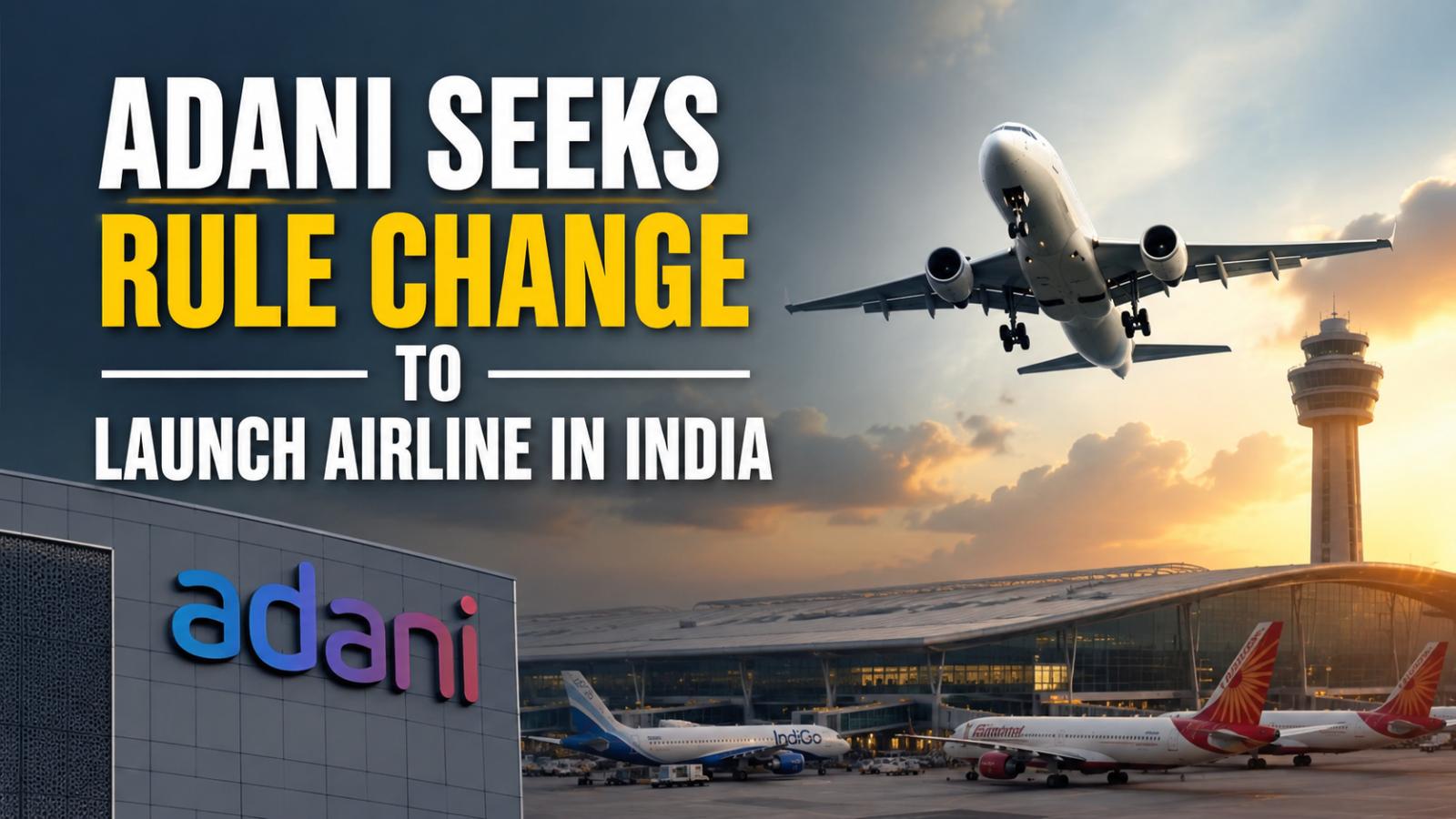
The Adani Group has reportedly asked the central government to relax a rule that limits operators of Delhi and Mumbai airports from owning more than 10% of a scheduled airline.
The Economic Times first reported the proposal, while Reuters said the change could allow Adani to establish its own carrier. No airline has been officially announced, and there is no confirmed launch date, fleet plan or route network.
India Aviation Market Could Gain a New Competitor
India’s domestic aviation market is dominated by IndiGo and the Air India group, which together control most passenger capacity. A financially strong new entrant could increase competition, add routes and improve passenger choice.
Adani already has a major presence in aviation. Its airport portfolio includes Ahmedabad, Lucknow, Mangaluru, Mumbai, Guwahati, Jaipur, Thiruvananthapuram and Navi Mumbai.
However, entering the airline business would still be difficult. Fuel costs, aircraft shortages, airport congestion and low profit margins remain major challenges.
Why Airport Ownership Rules Matter
The ownership restriction dates back to the 2006 privatisation of Delhi and Mumbai airports. It was designed to stop airport operators from favouring an airline in which they had a financial interest.
The concern is significant because airport operators influence terminal access, parking stands, ground services and valuable take-off and landing slots.
Existing airlines may argue that an airport owner with its own carrier could gain an unfair operational advantage. Any rule change would therefore require legal review, government approval and strong regulatory safeguards.
Conflict-of-Interest Concerns
If airport operators are allowed to invest in airlines, the government would need to maintain a clear separation between the two businesses.Possible safeguards could include independent slot supervision, separate management teams, restrictions on sharing airline data and equal access to airport infrastructure.Without transparent oversight, a policy intended to improve airline competition could create a new form of market concentration.
Adani Embraer Partnership
Adani Defence & Aerospace has also partnered with Brazilian aircraft maker Embraer to develop a regional aircraft ecosystem in India.The partnership includes the possible manufacturing and support of regional aircraft. This has led to speculation that a future Adani-backed airline could create demand for Embraer planes assembled in India. However, there is no official confirmation that any future airline would purchase Embraer aircraft.
What It Could Mean for Passengers
A new airline could benefit passengers by adding flights on underserved routes, connecting smaller cities and increasing competition with IndiGo and Air India. Regional aviation may offer the strongest opportunity, especially on routes where larger aircraft are not commercially suitable.Lower fares are possible, but not guaranteed. Ticket prices would still depend on fuel costs, taxes, airport charges, demand and available capacity.
What Happens Next
The government must decide whether the airport ownership clause can be changed and whether the revised rule should apply broadly to airport operators such as Adani and GMR Airports. Even if approved, Adani would still need aircraft, regulatory permits, trained staff, airport slots and substantial capital before launching an airline.
The proposal could create a major new competitor in Indian aviation. But its success should be measured by whether it improves passenger choice without giving airport-owned airlines an unfair advantage.