Indian tourism is undergoing a quiet but significant shift as international travellers begin to look beyond the country’s most familiar destinations. While cities like Goa, Jaipur, Delhi, and Mumbai have long dominated travel itineraries, a new name is steadily gaining global attention. According to Agoda’s New Horizons Rankings, Thiruvananthapuram has emerged as the fastest-growing destination for inbound travel to India. The city climbed an impressive 11 spots, moving from 33rd place in 2024 to 22nd in 2025, signaling a clear change in what global travellers are seeking when they visit the country.
This rise reflects a broader transformation in travel behaviour. Modern travellers are increasingly drawn to places that offer depth, authenticity, and a slower pace rather than crowded hotspots. Thiruvananthapuram, the capital of Kerala, fits neatly into this evolving preference. The city has never aggressively marketed itself as a tourist magnet, yet its blend of heritage, nature, wellness, and modern comforts is resonating strongly with visitors looking for meaningful experiences.
One of the city’s strongest appeals lies in its deep historical and spiritual roots. Known as the City of Anantha, Thiruvananthapuram derives its name from Lord Anantha, the cosmic serpent on whom Lord Vishnu rests. This connection is embodied in the iconic Sree Padmanabhaswamy Temple, a landmark that shapes the city’s identity. Renowned for its striking Dravidian architecture and immense historical wealth, the temple draws pilgrims and curious travellers from across the globe, offering a powerful glimpse into India’s spiritual heritage.
Beyond its sacred spaces, the city offers a seamless balance between culture and calm. Museums such as the Napier Museum and the Sri Chitra Art Gallery introduce visitors to Kerala’s artistic and historical legacy, showcasing everything from ancient artefacts to classical Indian paintings. These cultural institutions sit comfortably alongside leafy avenues, modern cafés, and urban infrastructure, making exploration both enriching and relaxed.
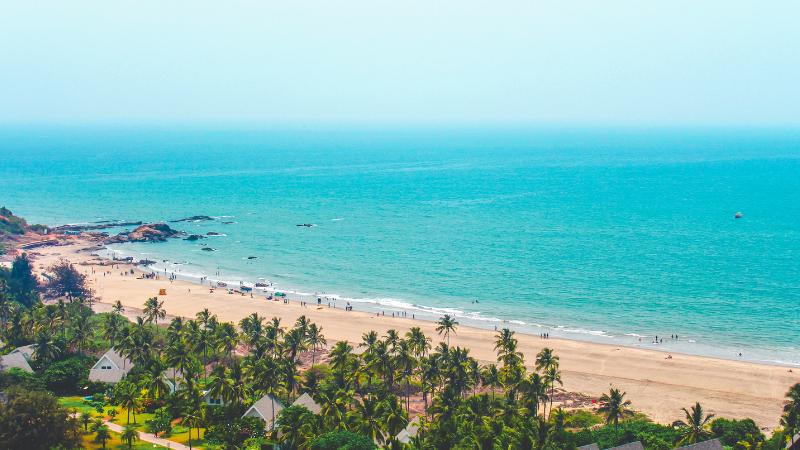
Nature plays an equally important role in the city’s growing popularity. Thiruvananthapuram provides easy access to serene beaches, including Kovalam, known for its lighthouse views and slow sunsets. Travellers can also venture into Kerala’s famed backwaters or head toward nearby hill stations, all within a manageable distance. Adding to its appeal is the region’s long-standing association with Ayurveda and wellness tourism, which attracts visitors seeking rejuvenation, holistic healing, and extended stays rather than quick sightseeing trips.
The rise of Thiruvananthapuram highlights a larger trend shaping Indian tourism. International visitors are increasingly choosing destinations that allow them to slow down, connect with local culture, and experience everyday life rather than rush through crowded attractions. This preference aligns closely with Kerala’s long-standing reputation for responsible tourism, eco-friendly practices, and community-driven experiences.
The same rankings also point to a similar trend within domestic travel, with cities like Indore gaining popularity for their balance of tradition and modern living. Together, these shifts suggest that both Indian and international travellers are redefining what makes a destination attractive. Cleanliness, cultural depth, wellness offerings, and authenticity are becoming just as important as iconic landmarks.
As global travel continues to evolve, Thiruvananthapuram’s ascent serves as a reminder that some of India’s most compelling destinations are those that offer quiet richness rather than loud spectacle. With its blend of history, spirituality, natural beauty, and modern sensibility, the Kerala capital is no longer just a regional hub. It is steadily establishing itself as a global destination for travellers seeking a deeper, more thoughtful way to explore India.