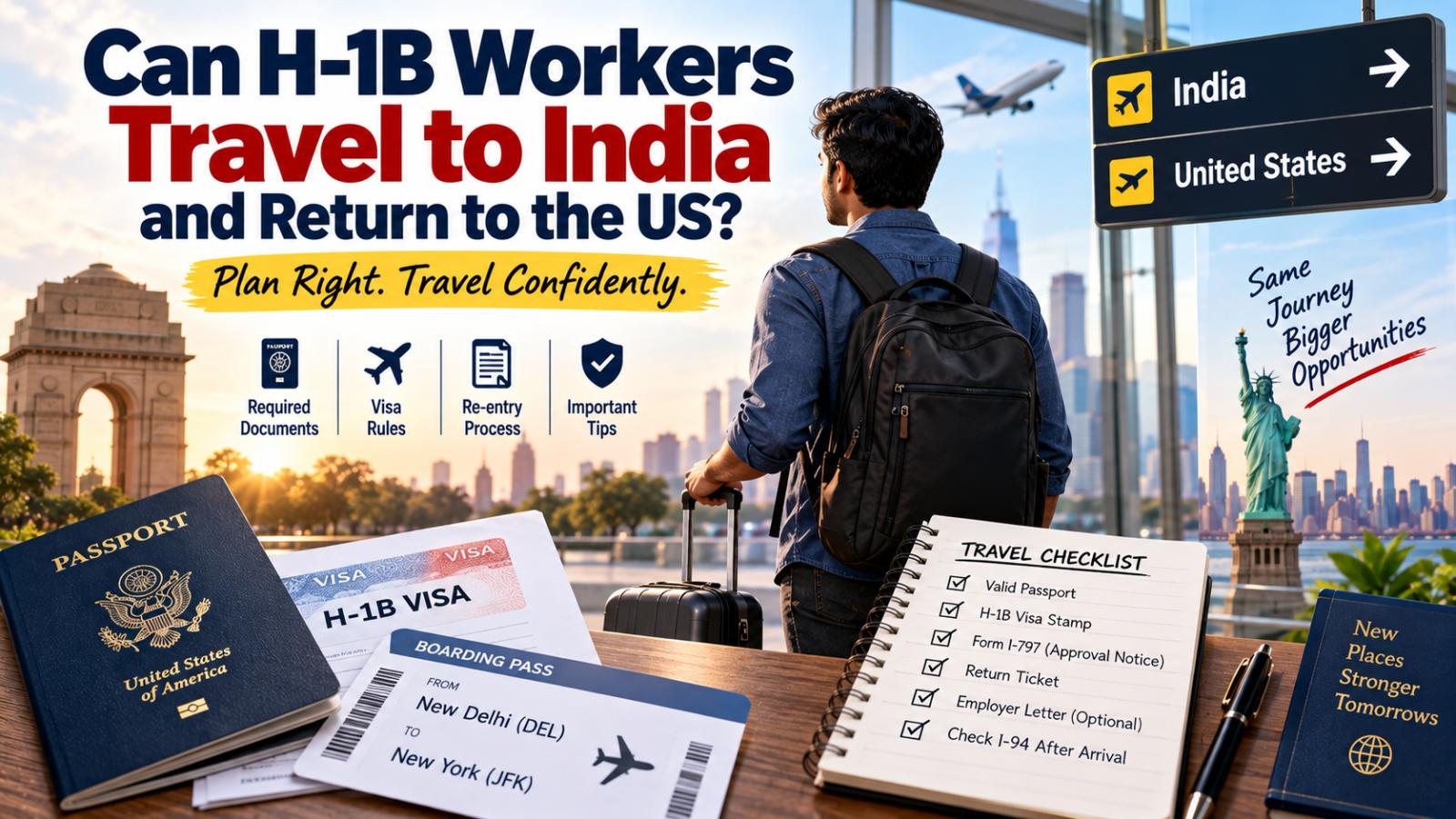
H-1B workers can travel to India, but returning to the US generally requires a valid passport, H-1B visa and approved petition. This guide explains re-entry documents, expired visa situations, I-94 checks and what workers should verify before traveling.
H-1B travel to India is generally permitted
H-1B workers can generally leave the United States for a trip to India and seek re-entry while thei
H-1B workers can travel to India, but returning to the US generally requires a valid passport, H-1B visa and approved petition. This guide explains re-entry documents, expired visa situations, I-94 checks and what workers should verify before traveling.
H-1B travel to India is generally permitted
H-1B workers can generally leave the United States for a trip to India and seek re-entry while thei
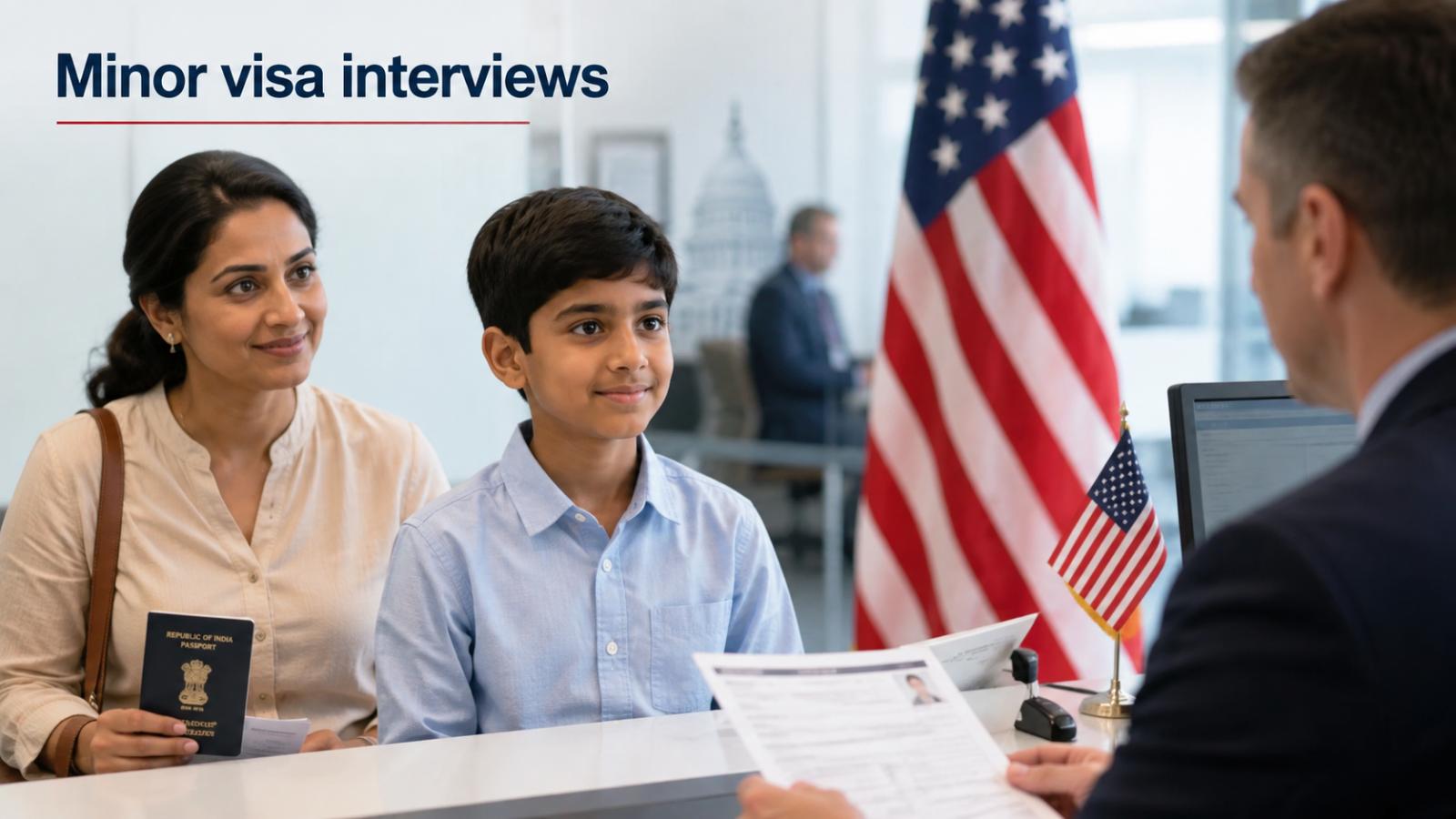
The U.S. visa interview for minors in India generally requires children to appear in person, including newborns and teenagers. The U.S. Embassy in India reiterated the rule as State Department interview-waiver standards remain narrower than in earlier years.
The U.S. Embassy in India has reminded parents that minor applicants generally must appear in person for a U.S. visa interview, including newborns and teenagers approaching age 18. Sending only a parent or guar
The U.S. visa interview for minors in India generally requires children to appear in person, including newborns and teenagers. The U.S. Embassy in India reiterated the rule as State Department interview-waiver standards remain narrower than in earlier years.
The U.S. Embassy in India has reminded parents that minor applicants generally must appear in person for a U.S. visa interview, including newborns and teenagers approaching age 18. Sending only a parent or guar
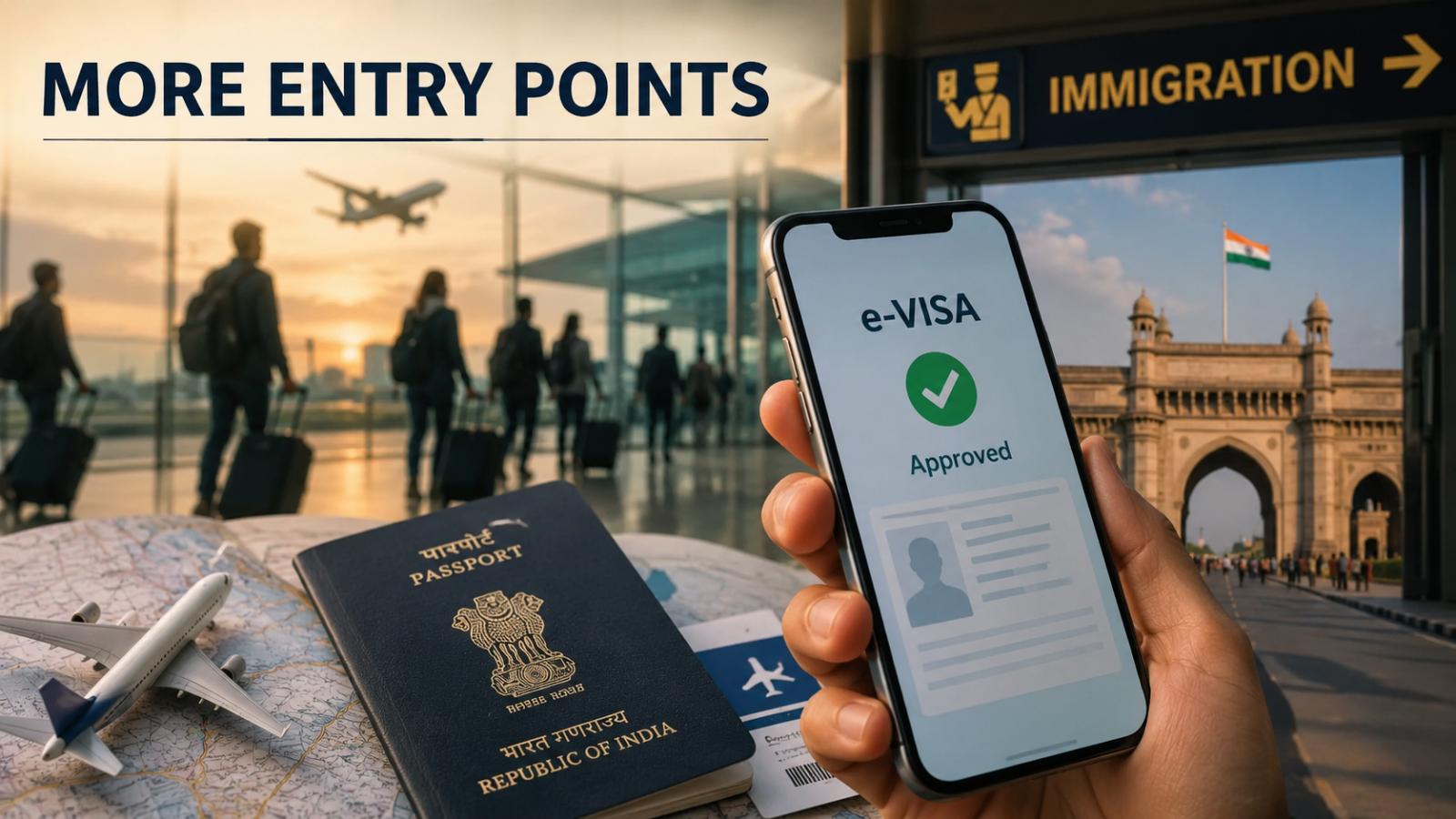
India e-visa entry points have expanded to 88 nationwide, including 37 airports, 38 seaports and 13 land ports. The additions include the Attari border crossing, several other land ports, and Bhopal and Tirupati airports.
India has expanded its network of e-visa entry points to 88 locations, giving eligible international travelers more airports, seaports and land crossings through which they can enter the
India e-visa entry points have expanded to 88 nationwide, including 37 airports, 38 seaports and 13 land ports. The additions include the Attari border crossing, several other land ports, and Bhopal and Tirupati airports.
India has expanded its network of e-visa entry points to 88 locations, giving eligible international travelers more airports, seaports and land crossings through which they can enter the
US B1/B2 visa renewal from India remains available, but Dropbox eligibility is limited to qualifying applicants whose prior full-validity visa expired within 12 months. Applicants must still submit a new DS-160, pay the $185 fee and may be called for an interview.
Indian travelers can still apply for a US B1/B2 visa after an earlier visa expires, but “renewal” does not extend the old visa automatically. The State Depar
US B1/B2 visa renewal from India remains available, but Dropbox eligibility is limited to qualifying applicants whose prior full-validity visa expired within 12 months. Applicants must still submit a new DS-160, pay the $185 fee and may be called for an interview.
Indian travelers can still apply for a US B1/B2 visa after an earlier visa expires, but “renewal” does not extend the old visa automatically. The State Depar
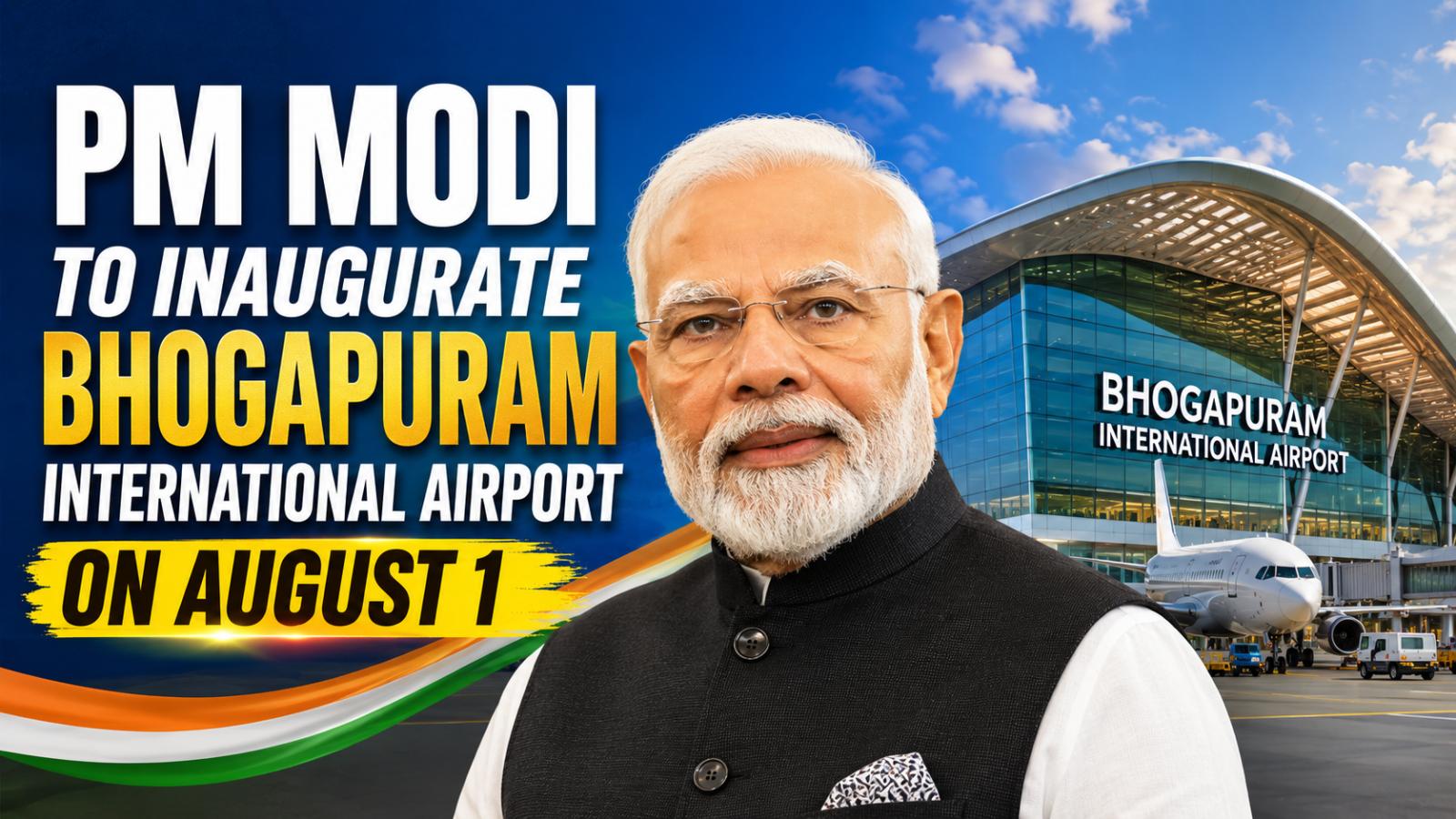
Prime Minister Narendra Modi will inaugurate the Alluri Sitarama Raju International Airport at Bhogapuram in Andhra Pradesh’s Vizianagaram district on Saturday, August 1, marking a major milestone for aviation and infrastructure development in North Andhra.
According to the Prime Minister’s Office, Modi will inspect the passenger terminal building at around 11:00 AM before formally inaugurating the airport at approximately 11:30 AM. He wil
Prime Minister Narendra Modi will inaugurate the Alluri Sitarama Raju International Airport at Bhogapuram in Andhra Pradesh’s Vizianagaram district on Saturday, August 1, marking a major milestone for aviation and infrastructure development in North Andhra.
According to the Prime Minister’s Office, Modi will inspect the passenger terminal building at around 11:00 AM before formally inaugurating the airport at approximately 11:30 AM. He wil
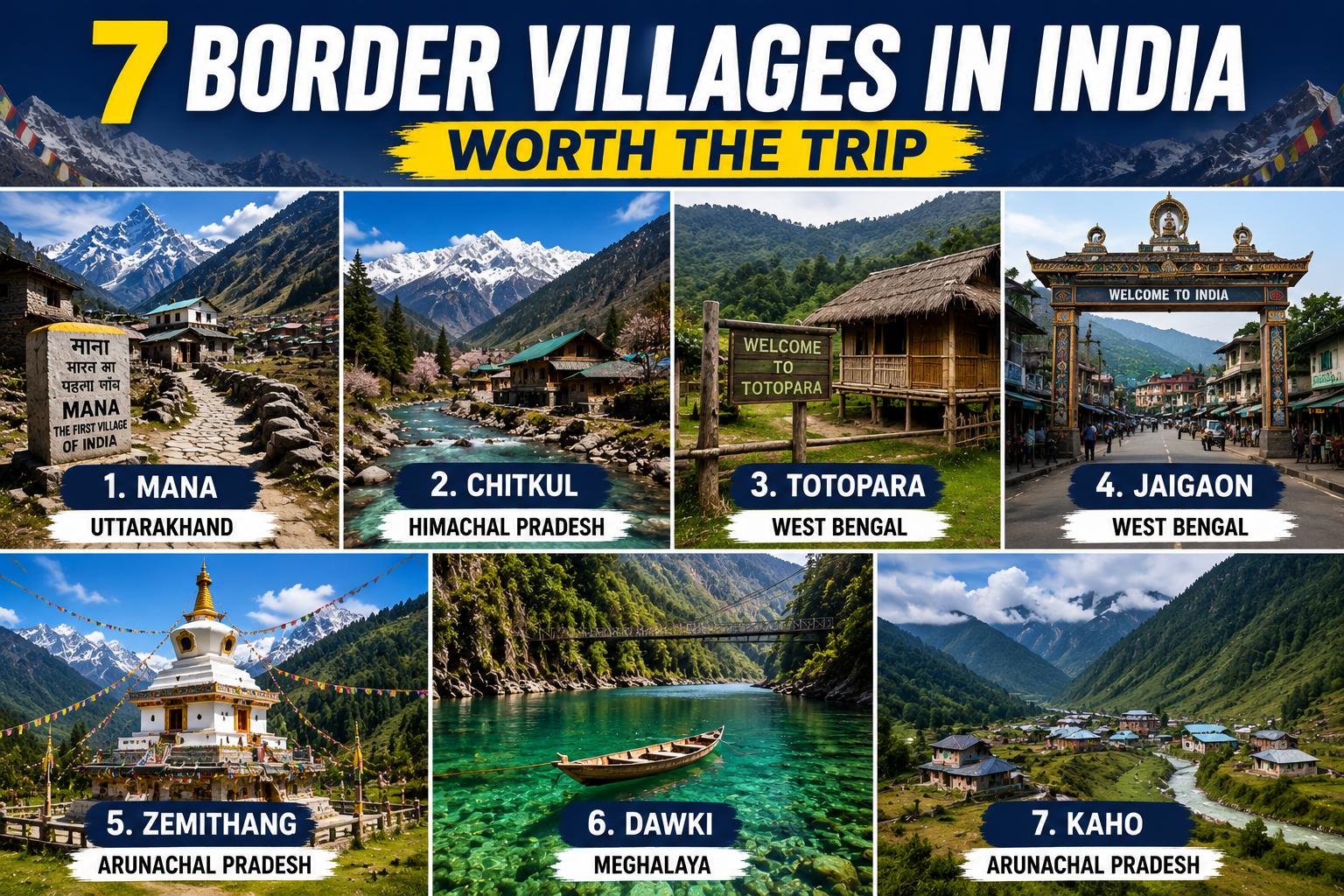
India’s border villages are gaining attention as destinations where young travellers can experience mountain landscapes, indigenous cultures and remote community life. Prime Minister Narendra Modi has encouraged greater engagement with frontier settlements through the Viksit Vibrant Village Programme, highlighting tourism as a source of local employment and development.
1. Mana,
India’s border villages are gaining attention as destinations where young travellers can experience mountain landscapes, indigenous cultures and remote community life. Prime Minister Narendra Modi has encouraged greater engagement with frontier settlements through the Viksit Vibrant Village Programme, highlighting tourism as a source of local employment and development.
1. Mana,
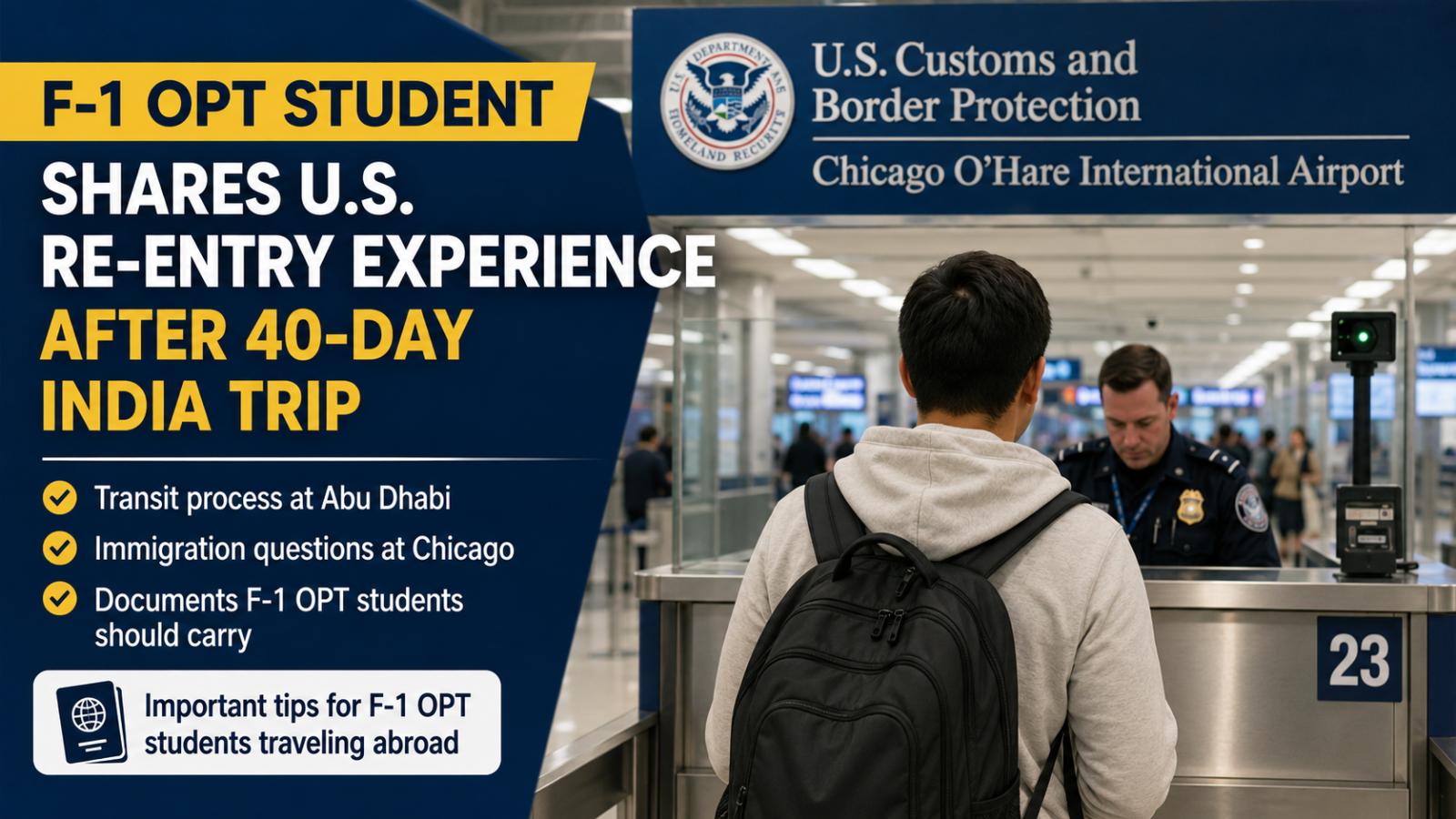
An F-1 student on Optional Practical Training shared a personal U.S. re-entry experience after returning from India following a 40-day family visit.
According to the student’s account, the return journey was on Etihad Airways. During the transit process at Abu Dhabi, the student said there was no full U.S. immigration interview. Airport staff reportedly checked the student’s passport and Form I-20 before placing a clearance stamp on the boarding pass.
F-1 OPT
An F-1 student on Optional Practical Training shared a personal U.S. re-entry experience after returning from India following a 40-day family visit.
According to the student’s account, the return journey was on Etihad Airways. During the transit process at Abu Dhabi, the student said there was no full U.S. immigration interview. Airport staff reportedly checked the student’s passport and Form I-20 before placing a clearance stamp on the boarding pass.
F-1 OPT
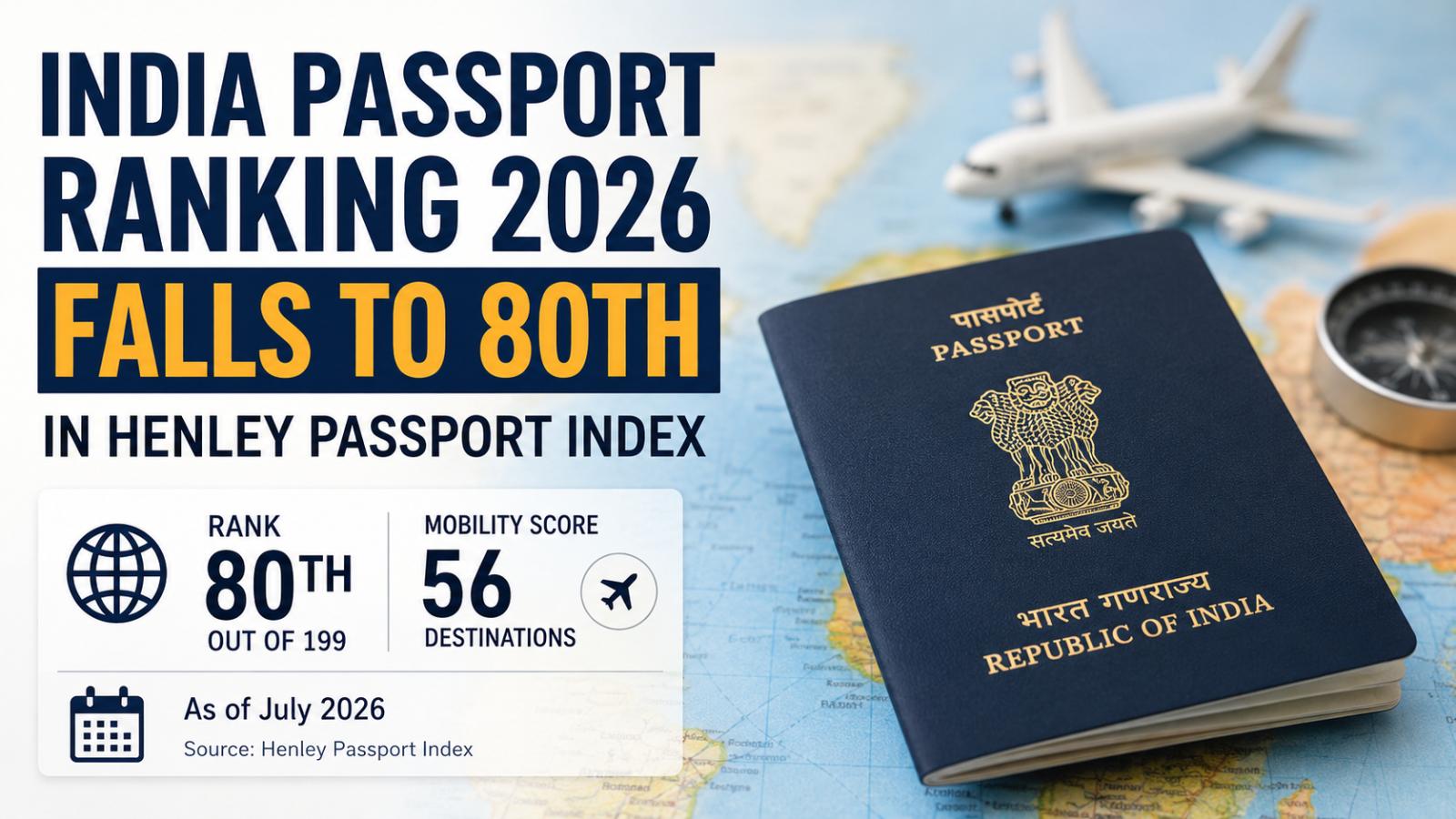
India’s passport ranking stands at 80th in the 2026 Henley Passport Index, giving Indian passport holders access to 56 destinations without obtaining a traditional visa before travel.
The ranking, current as of Friday, July 3, 2026, places India alongside Mauritania and Senegal. Henley’s index covers 199 passports and 227 travel destinations and is updated monthly using International Air Transport Association data.
India
India’s passport ranking stands at 80th in the 2026 Henley Passport Index, giving Indian passport holders access to 56 destinations without obtaining a traditional visa before travel.
The ranking, current as of Friday, July 3, 2026, places India alongside Mauritania and Senegal. Henley’s index covers 199 passports and 227 travel destinations and is updated monthly using International Air Transport Association data.
India
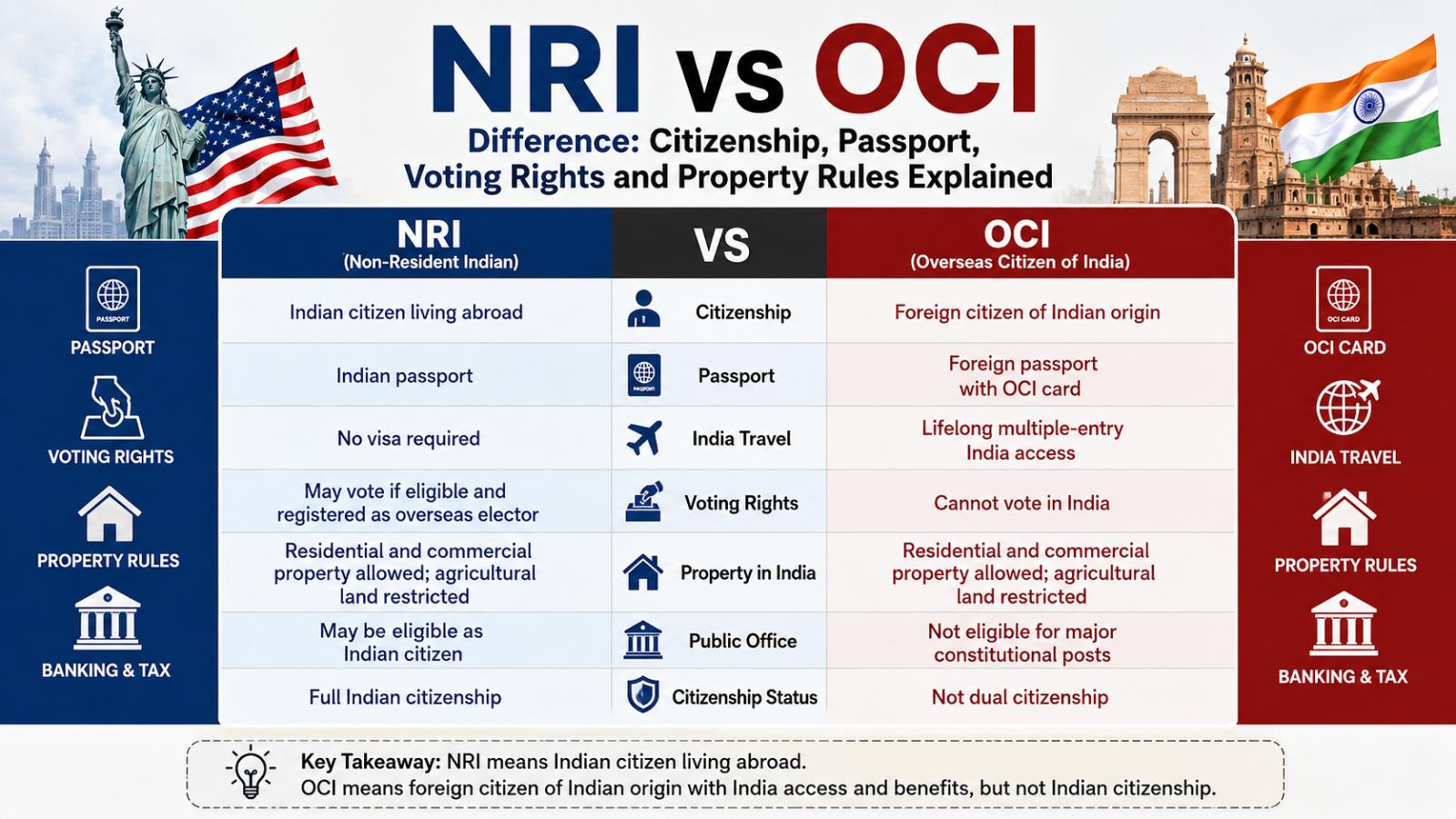
NRI vs OCI Difference: What Indian-Origin Americans Should Know
The main difference between NRI and OCI is citizenship. An NRI is an Indian citizen living outside India, while an OCI cardholder is a foreign citizen of Indian origin who gets special India-related benefits but not Indian citizenship.
For Indian-origin Americans, this difference matters because it affects passport use, India travel, voting rights, property ownership, banking access and long
NRI vs OCI Difference: What Indian-Origin Americans Should Know
The main difference between NRI and OCI is citizenship. An NRI is an Indian citizen living outside India, while an OCI cardholder is a foreign citizen of Indian origin who gets special India-related benefits but not Indian citizenship.
For Indian-origin Americans, this difference matters because it affects passport use, India travel, voting rights, property ownership, banking access and long
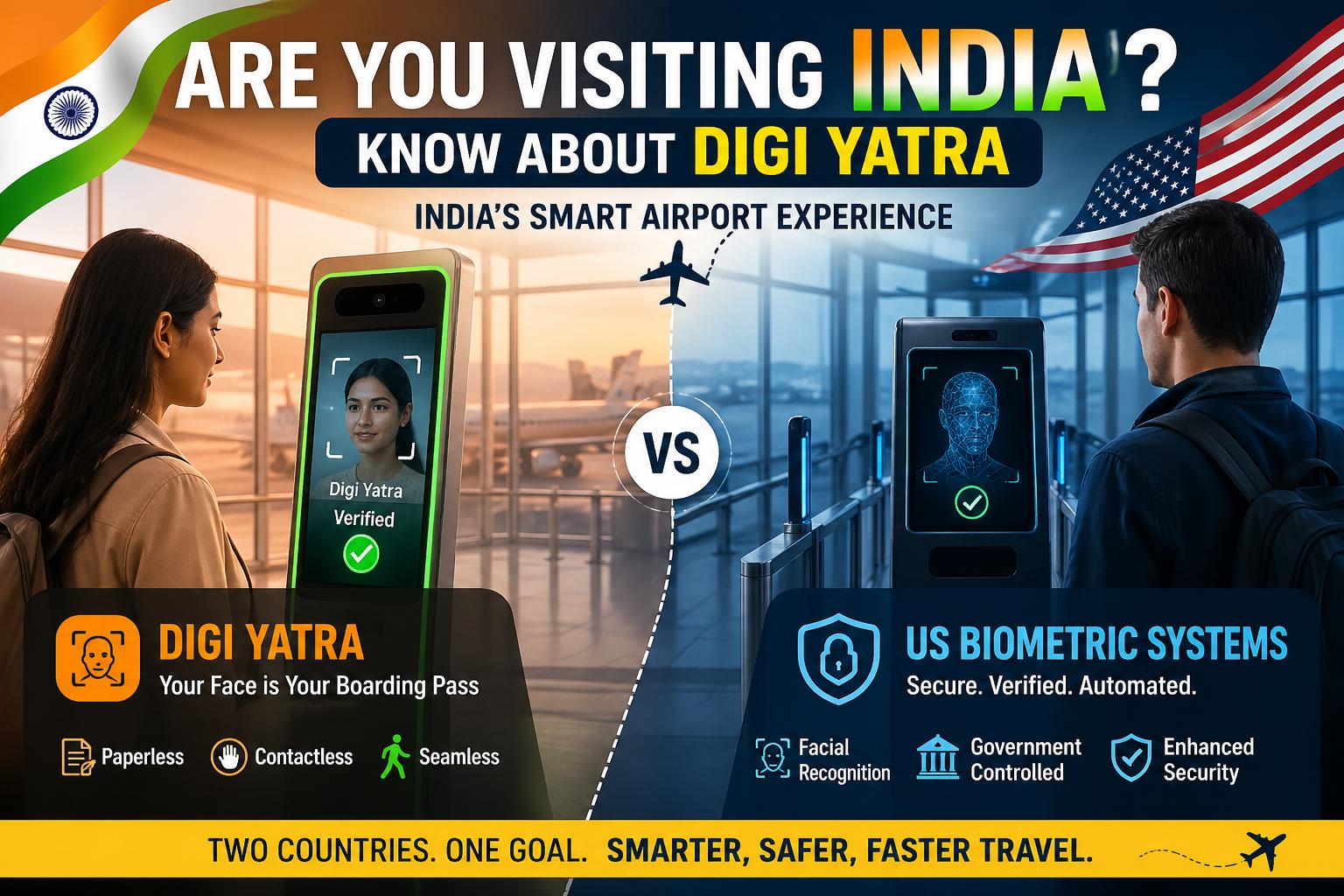
Digi Yatra could change your airport experience
India’s push toward seamless air travel is being led by Digi Yatra, a government-backed initiative that uses facial recognition to streamline passenger movement through airports. Developed under the Ministry of Civil Aviation, the system allows travelers to bypass repeated document checks by using biometric verification instead of physical boarding passes and identification.
How Digi Yatra is transforming airport travel in India
Digi Yatra enables passengers to create a digital identity through the Digi Yatra App by uploading ID credentials and flight details before arriving at the airport. Once enrolled, travelers can pass through entry gates, security checkpoints, and boarding areas using facial scans. The system is currently operational at major hubs such as Kempegowda International Airport and Indira Gandhi International Airport, with plans for wider adoption across the country. The initiative is voluntary and emphasizes speed, convenience, and reduced physical contact in crowded terminals.
Biometric travel systems already in use across US airports
In the United States, similar biometric technologies are already deployed, primarily for international travel. Agencies such as the Transportation Security Administration and U.S. Customs and Border Protection operate facial recognition systems that match a traveler’s live image with passport or visa databases. These systems are commonly used at immigration checkpoints and boarding gates for international flights, and in some cases at security screening through programs like TSA’s touchless identity verification. Unlike Digi Yatra, enrollment is not typically handled through a consumer-facing app, and the process is largely managed through government databases.
Key differences between Digi Yatra and US biometric systems
Feature
Digi Yatra (India)
United States Systems
Control
User-controlled via app
Government-controlled databases
Enrollment
Voluntary, app-based
Mostly automatic or backend
Primary Use
Domestic travel
International travel focus
Documents
Replaced by facial ID
Linked to passport/visa
User Role
Active participation required
Passive participation
Data Handling
User uploads data
Govt retrieves from records
Experience
Fully contactless journey
Partial contactless process
What global travelers should know about evolving airport technology
As airports worldwide adopt digital identity solutions, the contrast between India’s Digi Yatra and US biometric programs highlights broader questions around privacy, convenience, and control. For US-based travelers heading to India, understanding how Digi Yatra works can help streamline the airport experience, while also offering insight into how biometric travel technology may continue to evolve globally.
Digi Yatra could change your airport experience
India’s push toward seamless air travel is being led by Digi Yatra, a government-backed initiative that uses facial recognition to streamline passenger movement through airports. Developed under the Ministry of Civil Aviation, the system allows travelers to bypass repeated document checks by using biometric verification instead of physical boarding passes and identification.
How Digi Yatra is transforming airport travel in India
Digi Yatra enables passengers to create a digital identity through the Digi Yatra App by uploading ID credentials and flight details before arriving at the airport. Once enrolled, travelers can pass through entry gates, security checkpoints, and boarding areas using facial scans. The system is currently operational at major hubs such as Kempegowda International Airport and Indira Gandhi International Airport, with plans for wider adoption across the country. The initiative is voluntary and emphasizes speed, convenience, and reduced physical contact in crowded terminals.
Biometric travel systems already in use across US airports
In the United States, similar biometric technologies are already deployed, primarily for international travel. Agencies such as the Transportation Security Administration and U.S. Customs and Border Protection operate facial recognition systems that match a traveler’s live image with passport or visa databases. These systems are commonly used at immigration checkpoints and boarding gates for international flights, and in some cases at security screening through programs like TSA’s touchless identity verification. Unlike Digi Yatra, enrollment is not typically handled through a consumer-facing app, and the process is largely managed through government databases.
Key differences between Digi Yatra and US biometric systems
Feature
Digi Yatra (India)
United States Systems
Control
User-controlled via app
Government-controlled databases
Enrollment
Voluntary, app-based
Mostly automatic or backend
Primary Use
Domestic travel
International travel focus
Documents
Replaced by facial ID
Linked to passport/visa
User Role
Active participation required
Passive participation
Data Handling
User uploads data
Govt retrieves from records
Experience
Fully contactless journey
Partial contactless process
What global travelers should know about evolving airport technology
As airports worldwide adopt digital identity solutions, the contrast between India’s Digi Yatra and US biometric programs highlights broader questions around privacy, convenience, and control. For US-based travelers heading to India, understanding how Digi Yatra works can help streamline the airport experience, while also offering insight into how biometric travel technology may continue to evolve globally.
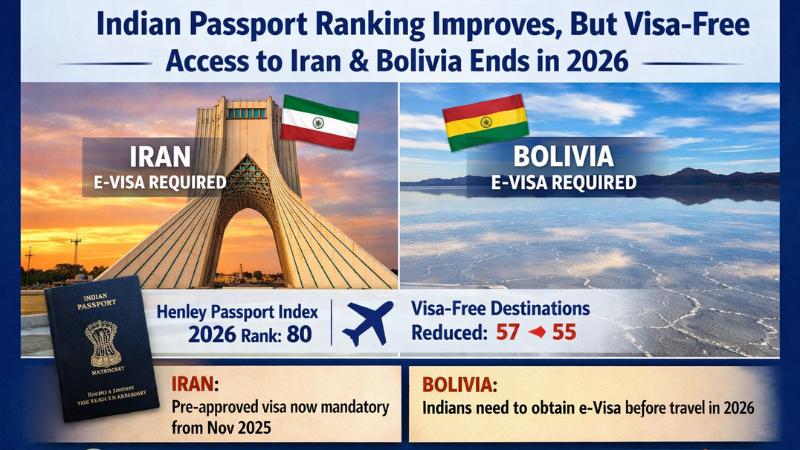
Indian passport holders are facing new travel restrictions in 2026 despite an improvement in the passport’s global ranking. India’s passport rose from 85th in 2025 to 80th in the Henley Passport Index for 2026, reflecting enhanced global mobility. However, the number of countries Indian citizens can visit without a prior visa has decreased from 57 to 55. This reduction is due to updated entry rules in two countries that previously offered visa-free or visa-on-arrival access: Iran and Bolivia
Indian passport holders are facing new travel restrictions in 2026 despite an improvement in the passport’s global ranking. India’s passport rose from 85th in 2025 to 80th in the Henley Passport Index for 2026, reflecting enhanced global mobility. However, the number of countries Indian citizens can visit without a prior visa has decreased from 57 to 55. This reduction is due to updated entry rules in two countries that previously offered visa-free or visa-on-arrival access: Iran and Bolivia
Indian tourism is undergoing a quiet but significant shift as international travellers begin to look beyond the country’s most familiar destinations. While cities like Goa, Jaipur, Delhi, and Mumbai have long dominated travel itineraries, a new name is steadily gaining global attention. According to Agoda’s New Horizons Rankings, Thiruvananthapuram has emerged as the fastest-growing destination
Indian tourism is undergoing a quiet but significant shift as international travellers begin to look beyond the country’s most familiar destinations. While cities like Goa, Jaipur, Delhi, and Mumbai have long dominated travel itineraries, a new name is steadily gaining global attention. According to Agoda’s New Horizons Rankings, Thiruvananthapuram has emerged as the fastest-growing destination
Personal loans for holidays are becoming a growing trend in India, especially among younger travellers and residents of smaller cities. According to the Paisabazaar report ‘How India Travels Using Holiday Loans (Vol. 2.0)’, 27% of personal loan borrowers in the first half of 2025 used the money for travel, a jump from 21% in 2023. This rise has pushed holiday loans ahead of home renovation loans, which have dropped from 31% in 2023 to 24% in 2025.
Personal loans for holidays are becoming a growing trend in India, especially among younger travellers and residents of smaller cities. According to the Paisabazaar report ‘How India Travels Using Holiday Loans (Vol. 2.0)’, 27% of personal loan borrowers in the first half of 2025 used the money for travel, a jump from 21% in 2023. This rise has pushed holiday loans ahead of home renovation loans, which have dropped from 31% in 2023 to 24% in 2025.
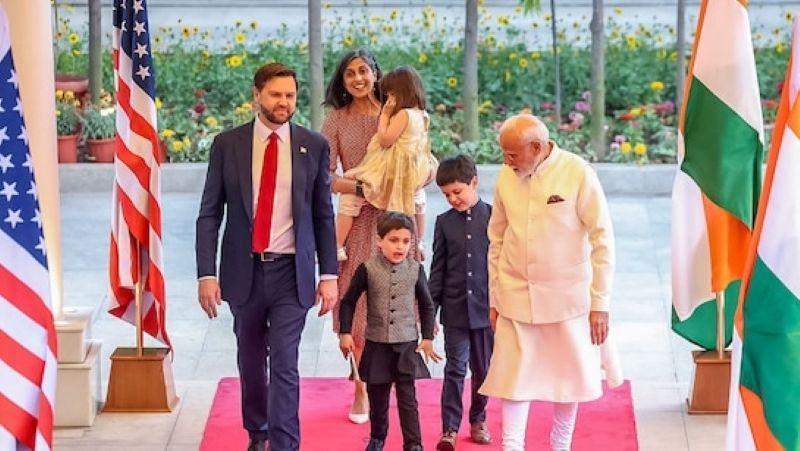
Usha Vance, the wife of U.S. Vice President JD Vance, has shared touching insights from her family’s visit to India earlier this year. Calling it the “trip of a lifetime,” she spoke about the warm hospitality shown by Prime Minister Narendra Modi and described how her children were charmed by the experience, especially during a personal meeting at the PM’s residence.
Speaking at the US-India S
Usha Vance, the wife of U.S. Vice President JD Vance, has shared touching insights from her family’s visit to India earlier this year. Calling it the “trip of a lifetime,” she spoke about the warm hospitality shown by Prime Minister Narendra Modi and described how her children were charmed by the experience, especially during a personal meeting at the PM’s residence.
Speaking at the US-India S