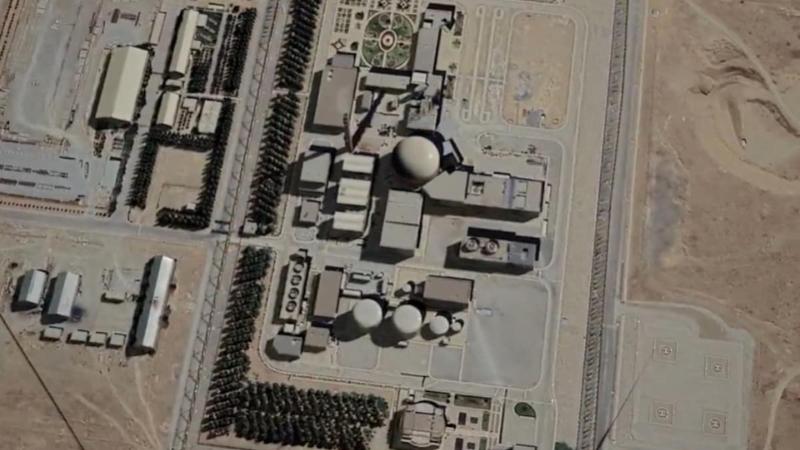
In a dramatic escalation of tensions in the Middle East, Israel launched a massive aerial assault deep into Iranian territory overnight, targeting sensitive military and nuclear facilities. Dubbed Operation Rising Lion, the offensive involved 40 Israeli fighter jets that dropped over 100 precision-guided bombs on strategic locations across cities such as Arak, Natanz, Tehran, Isfahan, Shiraz, and Kermanshah.
One of the main targets was the IR-40 heavy water reactor near Arak, a site long criticized for its potential to produce weapons-grade plutonium. Though the reactor was still under construction and not operational, Israel’s military claims it posed a significant threat. In a statement, the Israel Defense Forces (IDF) declared that the facility was created solely for the production of nuclear weapons and has now been neutralized.
Iran's state television attempted to downplay the attack, asserting there was no radiation risk or major structural damage. However, the International Atomic Energy Agency (IAEA) confirmed that the Khondab reactor, formerly known as Arak, had indeed been hit, though it did not contain any nuclear material at the time.
Simultaneously, a second wave of Israeli jets targeted a facility near Natanz, a city that has long been at the center of Iran’s uranium enrichment program. The IDF said this installation housed vital components and advanced equipment tied to nuclear weapons development. Previous attacks on Natanz have included cyber operations and sabotage, but this represents one of the largest aerial attacks to date.
According to Brigadier General Effie Defrin, the IDF’s chief spokesperson, the strike was designed to eliminate what Israel sees as an existential threat from Iran. He emphasized that additional targets have been identified and that operations will continue as needed. Among the other locations destroyed was a manufacturing plant that produced anti-tank missiles allegedly destined for Hezbollah.
Iran has not released any official casualty figures, and its leadership has issued minimal public response. While Israel’s actions have drawn criticism from some international quarters, they are being viewed as a decisive effort to delay or derail Iran's nuclear ambitions. As tensions continue to rise, this bold military operation marks one of the most significant direct confrontations between the two countries in recent years and could shape the geopolitical landscape of the region in the months ahead.