The United States Supreme Court has signaled strong skepticism toward former President Donald Trump’s use of emergency powers to impose sweeping global tariffs, raising the possibility that one of his most controversial trade measures could soon face major curbs. The case, which centers on Trump’s invocation of the International Emergency Economic Powers Act (IEEPA), could redefine the limits of presidential authority in shaping US trade policy. For India, which bore the brunt of several tariff hikes since 2018, a ruling against Trump’s interpretation of the law could bring both economic relief and diplomatic vindication.
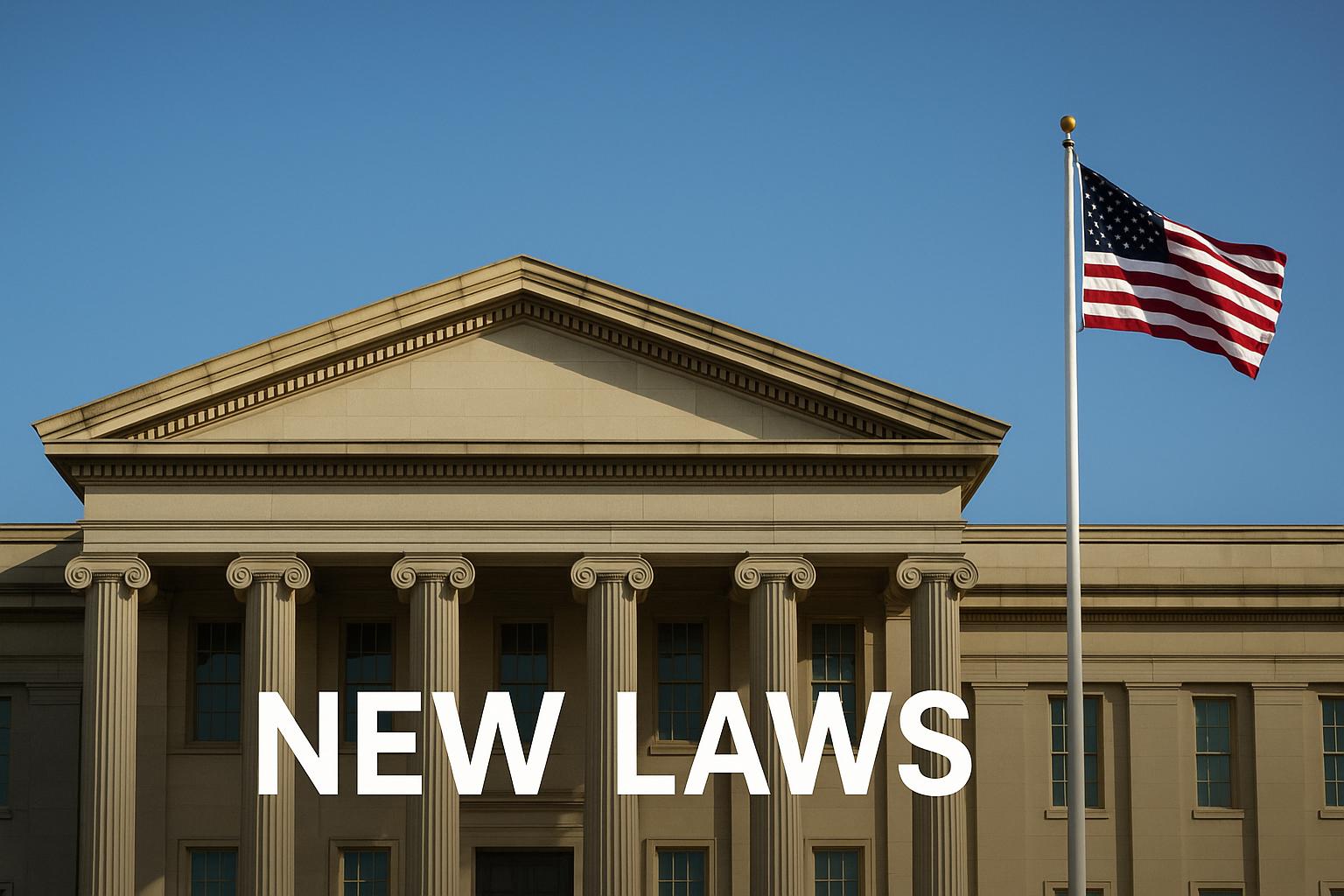
During Wednesday’s hearing, the nine justices from across the ideological spectrum expressed deep reservations about the administration’s broad reading of IEEPA. The core issue before the bench was whether the act—intended primarily to address genuine national emergencies—permits the president to unilaterally impose tariffs on imports. Chief Justice John Roberts noted that tariffs function as taxes on American consumers and questioned whether such measures could be described merely as “regulatory actions.” His tone reflected growing judicial concern about the potential erosion of congressional powers in economic matters.
Justice Amy Coney Barrett, appointed by Trump himself, pressed government attorneys to explain why regulating “importation” should extend to tariff creation when no president in the past five decades had interpreted the law in such a manner. Justice Neil Gorsuch was more direct, warning that allowing such sweeping authority would effectively transform Congress’s constitutional power to tax and regulate trade into a presidential privilege. Even Justice Brett Kavanaugh, typically cautious in such cases, asked whether lawmakers ever intended for the IEEPA to authorize such expansive actions.
Solicitor General D. John Sauer defended Trump’s decisions, arguing that the tariffs were “legitimate responses to national emergencies,” citing issues ranging from chronic trade deficits to the fentanyl crisis. However, this justification appeared to leave the court unconvinced. The justices voiced concern that if the president could invoke emergencies to impose economic measures of such scale, future administrations might wield unchecked authority in global trade matters without congressional oversight.
Outside the courtroom, the impact of the hearing was felt swiftly in financial markets. Prediction platforms tracking political and legal outcomes reported a sharp decline in bets favoring the survival of Trump’s tariffs. Traders and analysts suggested that the justices’ tone implied a likely rebuke of the former president’s trade strategy. Wall Street, which has long criticized the tariffs for adding inflationary pressures and disrupting supply chains, responded positively to the prospect of a judicial rollback. A decision limiting the IEEPA’s scope could ease price pressures and help stabilize international trade flows.
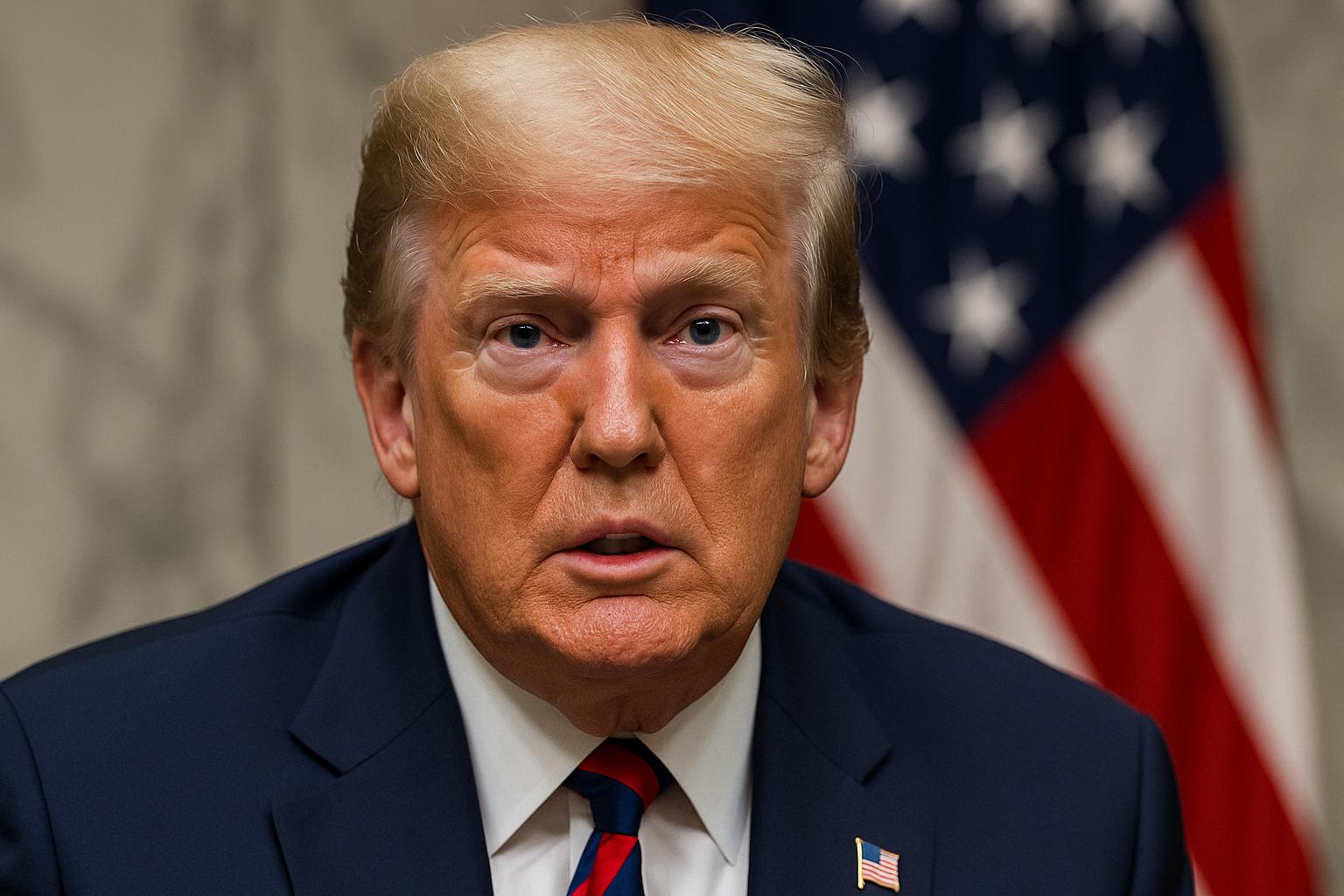
Trump, meanwhile, reacted sharply to the developments, calling the litigation “a politically motivated attack.” He insisted that the tariffs were vital for safeguarding American jobs and protecting industries against what he described as unfair trade practices by countries such as China, Mexico, and India. In his view, tariffs were a tool of national security and economic sovereignty. He also linked them to America’s geopolitical strength, particularly in maintaining leverage against adversaries and allies alike. However, his critics have long argued that such measures harmed US consumers and strained diplomatic ties with key partners.
For India, which faced punitive tariffs on steel, aluminum, pharmaceuticals, and textiles under Trump’s administration, the Supreme Court’s eventual ruling holds significant implications. New Delhi’s strategy of restraint—avoiding direct retaliation and instead pursuing a rules-based challenge through the World Trade Organization—may now appear prudent. The Modi government’s approach of prolonging trade talks while global institutions assessed the legality of the tariffs has allowed India to protect its economic interests without escalating tensions.
If the Supreme Court rules against Trump’s interpretation of IEEPA, it would reinforce the principle that major trade decisions must rest with legislatures, not individual leaders. Such an outcome would echo India’s consistent position that international commerce must operate under clear, predictable rules rather than unilateral executive orders. Beyond symbolism, the ruling could ease tariff pressures on Indian exporters, who have faced surcharges as high as 50 percent in certain sectors. It would also strengthen India’s standing as an advocate of multilateralism and fair trade governance.
The judgment, expected within weeks or months, could reshape the landscape of US trade law and executive authority for years to come. For Trump, it represents a pivotal test of the legality of his economic nationalism. For India, it could mark a quiet but meaningful victory—one that validates its patient, law-based diplomacy amid turbulent global politics.