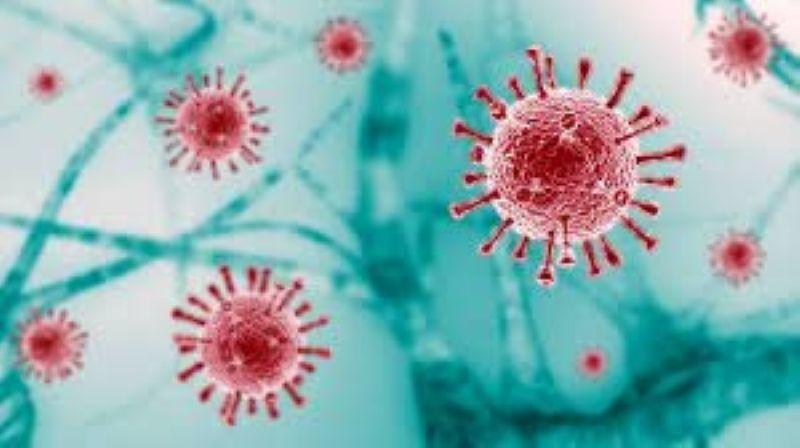
India is witnessing a fresh surge in COVID-19 cases, primarily driven by a new variant identified as JN.1. According to the Union Health Ministry, 257 active COVID cases have been recorded across states, with the majority arising in Maharashtra, Kerala, and Tamil Nadu. This variant is believed to have originated in Southeast Asia and is now spreading in parts of India, echoing similar spikes seen in Singapore, Hong Kong, and Thailand.
What is the JN.1 Variant?
The JN.1 variant is a sublineage of the BA.2.86 strain and has been classified as a fast-spreading, but largely mild, form of COVID-19. Health officials from India and other Asian nations have urged citizens to get booster vaccinations, especially as the variant gains ground in community transmission.
So far, the symptoms associated with the JN.1 variant have been mild for most people, primarily affecting the upper respiratory tract. Still, it is important not to take the threat lightly, especially for individuals with comorbidities, the elderly, or those with compromised immunity.
Symptoms of the JN.1 Variant
While not considered deadly, the JN.1 variant shows a distinct set of symptoms. These include:
-
Fever and runny nose
-
Sore throat
-
Persistent dry cough
-
Headaches
-
Extreme fatigue and exhaustion
-
Muscle weakness
-
Minor digestive issues
-
Loss of appetite and nausea
The symptoms may appear subtly and can be confused with seasonal flu, which is why monitoring and testing become essential.
7 Effective Prevention Measures to Stay Safe from JN.1
As health experts continue to analyze the behavior of the JN.1 variant, the following precautions are recommended to reduce transmission and maintain public safety:
-
Wear High-Quality Masks
Use N95 or KN95 masks in crowded spaces or during travel. A well-fitted mask minimizes the inhalation of airborne particles carrying the virus. -
Stay Updated on Vaccines
Get the latest booster shots that are designed to combat new variants like JN.1. Updated vaccines provide enhanced protection against severe illness and hospitalization. -
Practice Safe Distancing
Maintain physical distance in public spaces, particularly where ventilation is poor. This is crucial during local surges and in crowded gatherings. -
Improve Indoor Ventilation
Ensure that indoor areas have fresh airflow. Use air purifiers or open windows to allow virus particles to disperse, reducing the chance of infection indoors. -
Monitor for Symptoms and Get Tested
Be alert to symptoms like fatigue, cough, or sore throat. If you notice any signs, self-isolate and get tested promptly to prevent further spread. -
Isolate When Positive
If you test positive, follow isolation guidelines and notify those you've been in contact with. Early isolation stops the virus from spreading in schools, homes, and workplaces. -
Maintain Hygiene and Limit Touchpoints
Regular handwashing and avoiding touching your face are essential in preventing infection. Choose contactless payments, virtual meetings, and home deliveries whenever possible.
The JN.1 variant might not be as severe as earlier COVID-19 waves, but its ability to spread rapidly demands attention. Staying cautious, maintaining hygiene, and getting vaccinated are still the best ways to protect yourself and those around you. Health authorities advise continued vigilance and tracking of new symptoms or clusters. For accurate updates, citizens should rely on official sources like the World Health Organization (WHO), Centers for Disease Control and Prevention (CDC), and India’s Union Health Ministry. As the situation evolves, community cooperation, timely testing, and adherence to safety measures will help India navigate this wave without major disruptions.