- globetrotter
- 18 Jun 2025
- #General #cleanair #HVAC #gasban #electricheating #zeroemissions
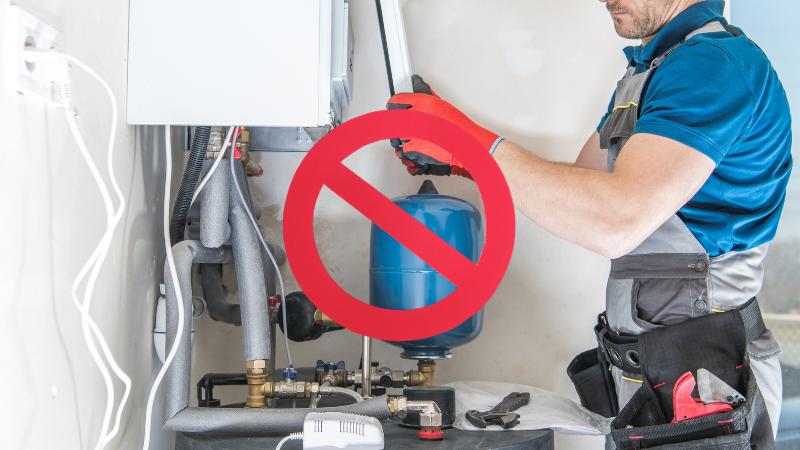
The Bay Area is taking decisive steps to improve air quality by phasing out the sale and installation of gas water heaters and gas furnaces. In a nearly unanimous decision, the regional air quality board approved regulations that will ban the sale of new gas water heaters beginning in 2027, and the installation of new gas furnaces starting in 2029. Larger commercial systems must meet zero-emissions standards by 2031
This move aligns with broader efforts to reduce greenhouse gas emissions and local air pollution, which officials say pose significant health risks, particularly in underserved communities. According to environmental regulators, residential gas appliances—specifically water heaters and furnaces—produce pollution on par with vehicle tailpipe emissions in the region. The new rule targets these sources in an effort to meet long-term environmental goals and safeguard public health.
Local heating and cooling companies have anticipated this shift for years. One large HVAC service provider in Pleasanton, for example, has been building up its inventory of electric heat pumps, air handlers, and electrical infrastructure to support zero-emission installations. Technicians have already begun converting homes to electric systems and educating clients about the upcoming changes. Many customers are exploring early adoption, while others plan to continue using gas appliances as long as regulations permit.
Under the new rules, consumers are not required to remove or replace appliances currently in use. Existing gas water heaters and furnaces may continue to be serviced and repaired, and the new restrictions apply only to newly sold units starting in the specified years. Additionally, cooking appliances such as gas stoves are exempt from the regulation, offering continued flexibility for homeowners in their kitchen setups.
Industry professionals stress that while upfront costs for electric systems can be higher, energy efficiency and available rebates may offset the expense over time. Heat pumps, which both heat and cool homes, are considered a key technology for sustainable home energy use and are becoming increasingly popular in modern construction and retrofits. Contractors across the region are training in new technologies, including solar-ready systems and high-efficiency installations, in anticipation of rising demand.
Some in the plumbing and HVAC sectors believe the rule changes may ultimately create more job opportunities as homeowners look to upgrade aging systems and meet new standards. Professionals are expanding their skills to support electric and solar installations, viewing the transition as a growth opportunity.
Clean air advocates point out that reducing the use of fossil fuels inside homes can immediately improve indoor air quality. Gas appliances, while common, contribute to indoor air pollution that may exacerbate respiratory issues and other health concerns. The new regulations are intended not just to meet environmental benchmarks but also to protect the long-term health of Bay Area residents, particularly in neighborhoods already impacted by pollution.
With an estimated two million gas water heaters and furnaces currently in use across the Bay Area, the transition will be gradual but significant. Officials emphasize that the goal is a steady shift, not a disruptive overhaul. By focusing on new sales rather than existing equipment, the plan allows homeowners time to prepare, while directing the region toward a cleaner, healthier future.
As the deadlines approach, homeowners, landlords, and businesses are encouraged to begin evaluating their current systems and plan accordingly. With electric options becoming more efficient and accessible, and with incentives available through state and federal programs, many are already making the switch in anticipation of the new requirements.
This policy represents a turning point in the region’s strategy to combat climate change and local air pollution. By taking proactive steps today, the Bay Area aims to lead the way toward a sustainable, low-emissions future—one home at a time.
This move aligns with broader efforts to reduce greenhouse gas emissions and local air pollution, which officials say pose significant health risks, particularly in underserved communities. According to environmental regulators, residential gas appliances—specifically water heaters and furnaces—produce pollution on par with vehicle tailpipe emissions in the region. The new rule targets these sources in an effort to meet long-term environmental goals and safeguard public health.
Local heating and cooling companies have anticipated this shift for years. One large HVAC service provider in Pleasanton, for example, has been building up its inventory of electric heat pumps, air handlers, and electrical infrastructure to support zero-emission installations. Technicians have already begun converting homes to electric systems and educating clients about the upcoming changes. Many customers are exploring early adoption, while others plan to continue using gas appliances as long as regulations permit.
Under the new rules, consumers are not required to remove or replace appliances currently in use. Existing gas water heaters and furnaces may continue to be serviced and repaired, and the new restrictions apply only to newly sold units starting in the specified years. Additionally, cooking appliances such as gas stoves are exempt from the regulation, offering continued flexibility for homeowners in their kitchen setups.
Industry professionals stress that while upfront costs for electric systems can be higher, energy efficiency and available rebates may offset the expense over time. Heat pumps, which both heat and cool homes, are considered a key technology for sustainable home energy use and are becoming increasingly popular in modern construction and retrofits. Contractors across the region are training in new technologies, including solar-ready systems and high-efficiency installations, in anticipation of rising demand.
Some in the plumbing and HVAC sectors believe the rule changes may ultimately create more job opportunities as homeowners look to upgrade aging systems and meet new standards. Professionals are expanding their skills to support electric and solar installations, viewing the transition as a growth opportunity.
Clean air advocates point out that reducing the use of fossil fuels inside homes can immediately improve indoor air quality. Gas appliances, while common, contribute to indoor air pollution that may exacerbate respiratory issues and other health concerns. The new regulations are intended not just to meet environmental benchmarks but also to protect the long-term health of Bay Area residents, particularly in neighborhoods already impacted by pollution.
With an estimated two million gas water heaters and furnaces currently in use across the Bay Area, the transition will be gradual but significant. Officials emphasize that the goal is a steady shift, not a disruptive overhaul. By focusing on new sales rather than existing equipment, the plan allows homeowners time to prepare, while directing the region toward a cleaner, healthier future.
As the deadlines approach, homeowners, landlords, and businesses are encouraged to begin evaluating their current systems and plan accordingly. With electric options becoming more efficient and accessible, and with incentives available through state and federal programs, many are already making the switch in anticipation of the new requirements.
This policy represents a turning point in the region’s strategy to combat climate change and local air pollution. By taking proactive steps today, the Bay Area aims to lead the way toward a sustainable, low-emissions future—one home at a time.