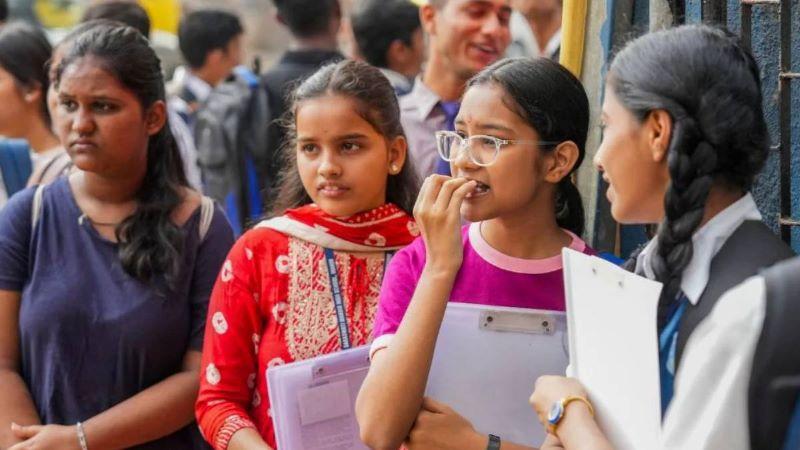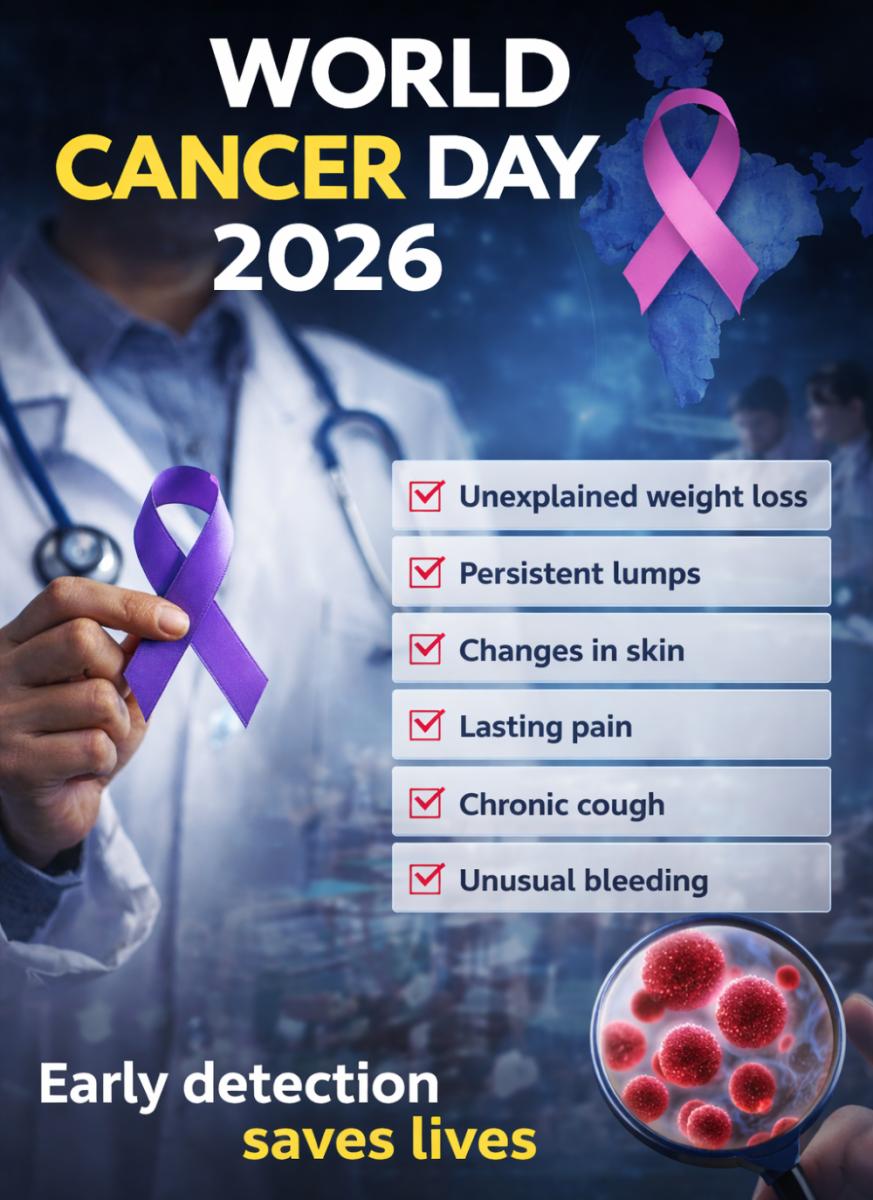
World Cancer Day 2026, observed on February 4, is a crucial reminder of the growing health challenge cancer poses, both in India and worldwide. The day aims to increase awareness about cancer, emphasize the importance of early detection, promote prevention, and advocate for better healthcare access for all. As cancer cases rise in India, with millions affected every year, experts highlight the life-saving benefits of detecting cancer early. With timely medical action, regular screening, and early diagnosis, survival rates can improve significantly, making it essential for individuals to be aware of the early warning signs and take proactive steps toward their health.
Understanding Cancer and Its Rising Incidence in India
Cancer is not a single disease but a group of conditions where cells grow uncontrollably and may spread to other parts of the body. In India, cancer cases have been steadily increasing, driven by factors such as changing lifestyles, environmental pollution, and delayed diagnoses. According to Dr. Vimal Pandita, Consultant Oncologist at Kailash Hospital, projections indicate that over 1.57 million new cancer cases will be reported by 2025, marking a 12.8% rise from 2020. Environmental factors, such as pollution, and lifestyle choices, including tobacco and alcohol use, contribute to nearly 7.85 lakh cancer-related deaths annually. Early detection, therefore, is vital in reducing these numbers and improving survival rates.
Why Early Detection of Cancer is Crucial
Early detection of cancer can significantly improve treatment outcomes. Dr. Sudha Sinha, Senior Consultant in Medical Oncology, explains that identifying cancer in its early stages offers several advantages:
- Increased chances of recovery: The earlier the detection, the more likely it is that cancer can be treated effectively.
- Reduced complications: Early treatment reduces the likelihood of cancer spreading and causing more severe complications.
- Less aggressive treatment: Early detection often allows for less invasive, more affordable treatment options.
- Improved quality of life: Treatment is more effective and less physically taxing when the disease is detected early.
Certain cancers, such as breast, cervical, lung, prostate, and skin cancer, can often be detected in their early stages, giving patients the best chance for long-term survival. Regular screenings and self-examinations are key tools in ensuring early diagnosis.
Common Warning Signs of Cancer that Should Not Be Ignored
Recognizing the early warning signs of cancer can make a significant difference in treatment outcomes. Dr. Sinha highlights several symptoms that should never be ignored, including:
- Persistent headaches or a cough that doesn’t go away.
- Unexplained weight loss.
- Menstrual irregularities or pelvic pain.
- Breast lumps or unusual discharge from the nipples.
- Changes in bowel or bladder habits.
- Persistent bloating or difficulty swallowing.
- Long-lasting pain or discomfort.
- Oral ulcers that do not heal.
- Frequent infections or recurring fevers.
- Changes in skin appearance or moles.
In India, recognizing these symptoms early can help individuals seek medical attention promptly, improving the chances of successful treatment.
Dr. Pandita also highlights symptoms that require immediate medical attention, such as:
- Unexplained weight loss (10 pounds or more).
- Persistent fatigue that doesn’t improve with rest.
- Unusual lumps or swellings in the body.
- Changes in skin moles or non-healing sores.
- A cough or hoarseness lasting more than three weeks.
- Blood in stool or urine.
- Abnormal bleeding or discharge.
- Persistent pain, night sweats, or fever.
- Difficulty swallowing or chronic indigestion.
Dr. Pandita stresses that while these symptoms may not always be indicative of cancer, they should not be ignored if they persist for more than two or three weeks.
How Lifestyle Changes Help Prevent Cancer and Support Early Detection
Lifestyle factors play a crucial role in both preventing cancer and supporting early detection efforts. Dr. Pandita points out that nearly 40% of cancer cases are linked to lifestyle choices that can be controlled. Some key recommendations for cancer prevention include:
- Quit tobacco and limit alcohol use: Tobacco is responsible for 25-30% of cancer deaths globally, so quitting smoking and limiting alcohol intake can significantly lower cancer risk.
- Eat a healthy, balanced diet: A diet rich in fruits, vegetables, whole grains, and traditional Indian foods such as millets can help protect the body’s cells from cancer.
- Maintain a healthy weight: Obesity is linked to more than 13 types of cancer, so keeping a healthy weight is important for reducing the risk.
- Stay physically active: Regular physical activity, such as walking, yoga, or moderate exercise for 150–300 minutes per week, has been shown to reduce cancer risk.
- Protect your skin and get vaccinated: Wearing sunscreen can prevent skin cancer, while vaccines for HPV and Hepatitis B can reduce the risk of cervical and liver cancers.
- Regular screenings: Screening tests such as mammograms, Pap smears, colonoscopies, and self-examinations can detect cancer early, even before symptoms appear.
Expert Insights: The Importance of Early Treatment
Dr. Nadeem Shoket, Senior Consultant in Medical Oncology at the American Oncology Institute, stresses that timing is often the deciding factor between life and death in cancer treatment. He explains that early detection allows for less invasive treatments, which are not only more affordable but also less emotionally and physically taxing for patients and their families. When cancers like breast, cervical, oral, and colorectal are detected early, survival rates increase dramatically. However, many patients delay seeking help because they either ignore early symptoms or underestimate the seriousness of the condition. This delay in seeking treatment remains one of the biggest barriers to successful cancer treatment in India.
Early Detection is the Key to Saving Lives
World Cancer Day serves as a powerful reminder that cancer doesn’t develop overnight, and neither does recovery. Early detection remains the strongest weapon in combating the disease, especially in India, where late diagnoses continue to result in the loss of thousands of lives every year. By recognizing the early warning signs, adopting healthier lifestyles, and seeking timely medical care, individuals can transform cancer from a life-threatening condition into a manageable disease. Awareness of cancer symptoms, along with preventative actions, can save lives, and timely medical intervention is crucial for improving cancer outcomes in India.