Iran has denied inspectors from the International Atomic Energy Agency access to several nuclear sites struck during a 12-day conflict involving Israel and the United States in June, according to a confidential report circulated among member states. The development has left the UN watchdog unable to verify the status of Tehran’s uranium enrichment activities or confirm the size and location of its enriched uranium stockpile.
In its latest assessment, the Vienna-based nuclear monitoring body said inspectors have not been permitted to visit any of Iran’s four officially declared enrichment plants since the military strikes. The agency reported that the disruption has significantly affected nuclear safeguards and oversight, creating what it described as a critical loss of “continuity of knowledge” regarding previously declared nuclear material.
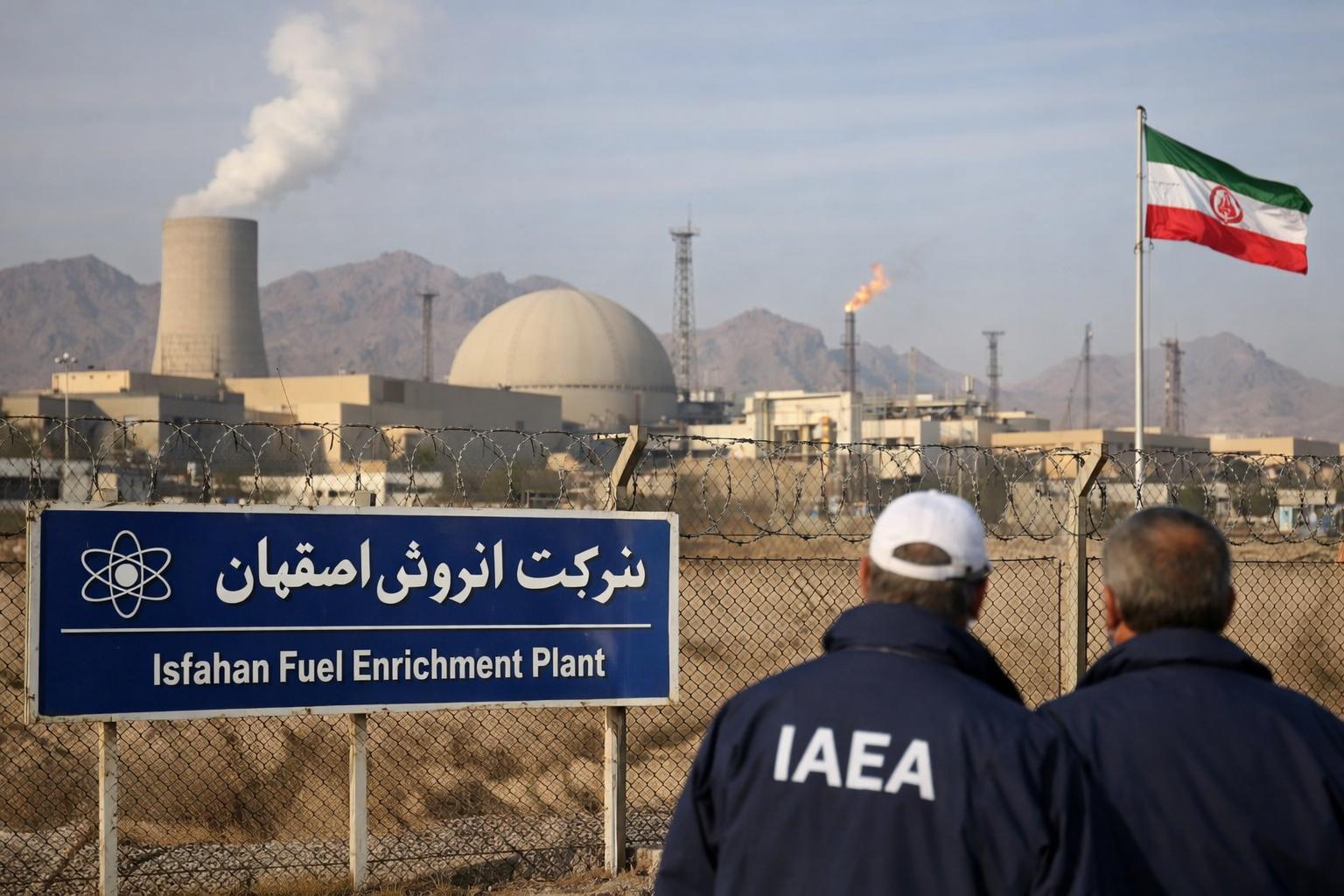
The report highlighted particular concern over the Isfahan Fuel Enrichment Plant, where inspectors have been barred for more than eight months despite earlier design information provided by Iranian authorities. Without physical access, the IAEA said it cannot determine whether nuclear material remains at the facility or whether operations have resumed. The agency stressed that on-the-ground verification is essential to assess the size, composition and movement of enriched uranium stored at impacted sites.
Considerable uncertainty surrounds Iran’s stockpile of more than 400 kilograms of uranium enriched to 60 percent purity. That material was last verified by inspectors on June 10, shortly before Israel launched strikes that marked the start of the 12-day conflict. The United States later joined the military campaign, carrying out airstrikes on Iranian nuclear sites. Since then, inspectors have been unable to confirm whether enrichment to 60 percent uranium continues or whether any material has been relocated.
Uranium enriched to 60 percent is significantly above the 3.67 percent limit set under the now-defunct 2015 nuclear deal and is technically close to weapons-grade levels of around 90 percent. Western governments, led by the United States and supported by Israel, have long accused Iran of seeking the capability to produce nuclear weapons. Tehran has consistently denied such intentions, maintaining that its nuclear program is for peaceful, civilian purposes including energy production and research.
Following the conflict, Iran suspended parts of its cooperation framework with the IAEA and restricted inspector access to facilities damaged in the attacks. Iranian officials have accused the agency of bias and criticized it for failing to condemn the strikes. The IAEA report underscored that restoring monitoring arrangements and re-establishing full inspection access is urgent to ensure transparency and rebuild confidence in nuclear oversight mechanisms.
Diplomatic efforts to ease tensions have continued in parallel. Talks mediated by Oman between Iran and the United States were recently held in Geneva, described by some officials as a final effort to prevent further escalation. While initial discussions appeared constructive, Iranian representatives signaled that any agreement would require Washington to drop what they called excessive demands.
The current impasse has heightened concerns over nuclear monitoring in West Asia, particularly as regional tensions remain elevated. Without renewed access and verification measures, the IAEA has indicated that it cannot provide assurances about the status of Iran’s nuclear program, leaving key questions about uranium enrichment and nuclear safeguards unresolved.