A United States federal court has sentenced an Indian businessman to 30 months in prison for orchestrating a scheme to illegally export controlled aviation technology to Russia, in violation of strict US export regulations introduced after the Ukraine conflict. The sentencing underscores Washington’s continued focus on disrupting global supply chains used to bypass sanctions and export controls aimed at safeguarding national security.
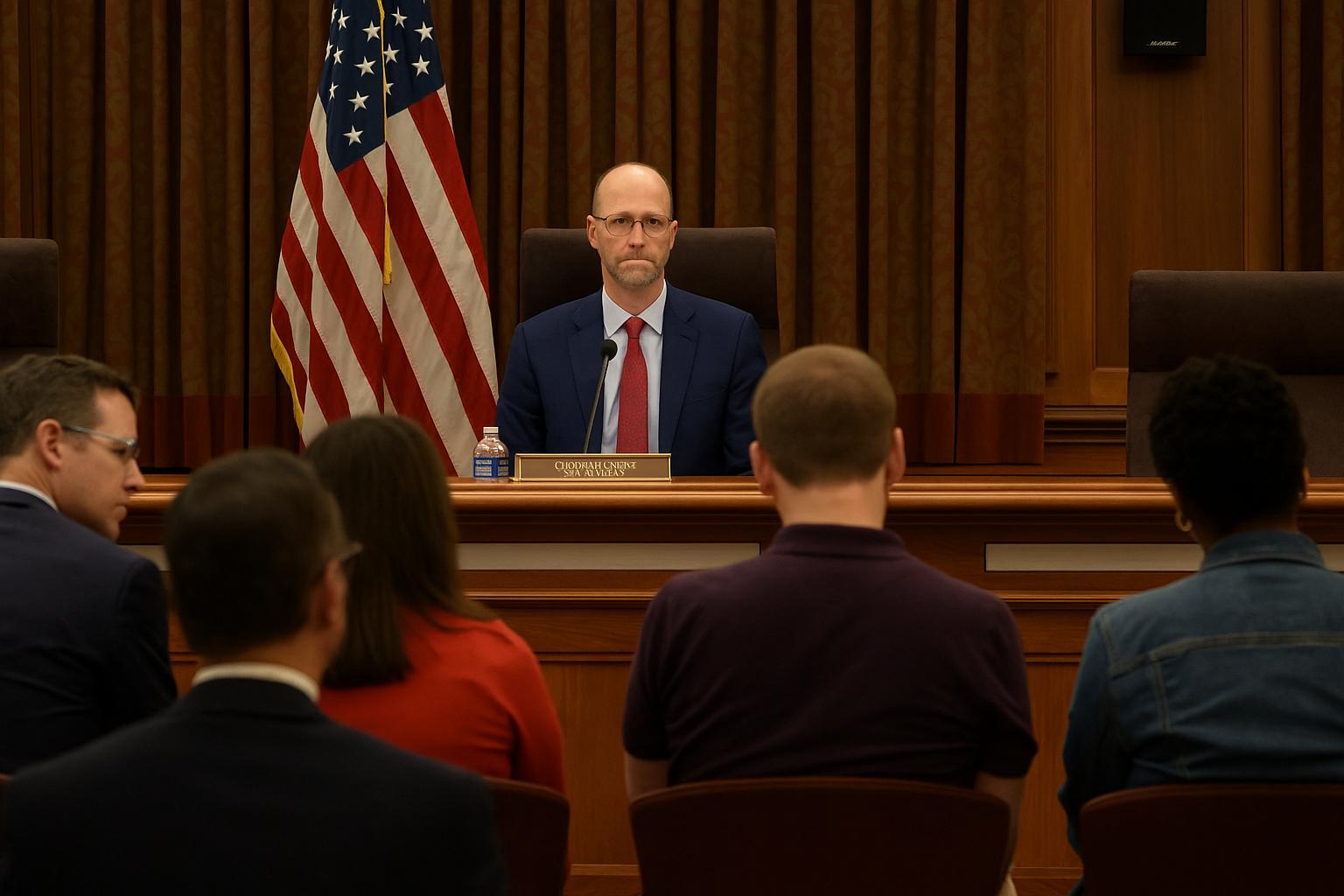
Sanjay Kaushik, 58, a New Delhi-based aviation executive and managing partner of air charter firm Arezo Aviation, was sentenced in the US District Court in Portland, Oregon. In addition to his prison term, the court ordered Kaushik to serve 36 months of supervised release following his incarceration. The sentence follows a lengthy investigation into efforts to unlawfully transfer sensitive aircraft technology with potential military applications to Russian end-users.
According to court documents, Kaushik played a central role in attempting to acquire an Attitude and Heading Reference System, or AHRS, from a US-based supplier. The AHRS is a critical component used in aircraft navigation and flight control systems and is classified as a dual-use technology, meaning it can serve both civilian and military purposes. Under US law, the export of such equipment is tightly regulated, particularly when the ultimate destination involves sanctioned countries.
Investigators found that Kaushik and his associates submitted false information to US authorities in an attempt to secure an export licence from the Department of Commerce. The filings claimed the aviation equipment would be used in civilian helicopters operated by Arezo Aviation in India. Authorities later determined that these representations were misleading and that India was intended only as a transshipment point to obscure the technology’s final destination in Russia.
Federal prosecutors said the conspiracy began in September 2023 and involved repeated coordination with entities connected to Russia that were subject to US sanctions. The operation was described by the US Attorney for the District of Oregon as a deliberate, profit-driven effort rather than a clerical mistake or regulatory misunderstanding. Investigators emphasized that the scheme demonstrated a calculated attempt to evade export controls put in place after Russia’s full-scale invasion of Ukraine.
Kaushik was arrested in October 2024 after arriving in Miami for a business trip. In October 2025, he pleaded guilty to one count of conspiracy to violate the Export Control Reform Act, acknowledging that his actions prioritized personal financial gain over US foreign policy and national security interests. Officials noted that the interception of the AHRS device before it left US territory prevented potentially serious security consequences.
The case was prosecuted under the Justice Department’s Task Force KleptoCapture, a multi-agency initiative established to enforce sanctions and economic restrictions related to Russia. Justice Department officials said the successful prosecution highlights increased scrutiny of international intermediaries and logistics networks used to divert sensitive technology through third countries.
Legal observers say the sentencing sends a strong signal to business executives and intermediaries worldwide that the United States will aggressively pursue those who attempt to exploit neutral jurisdictions to circumvent sanctions. The outcome reflects broader efforts by US authorities to dismantle procurement networks supporting restricted destinations and to reinforce the global reach of export control enforcement.