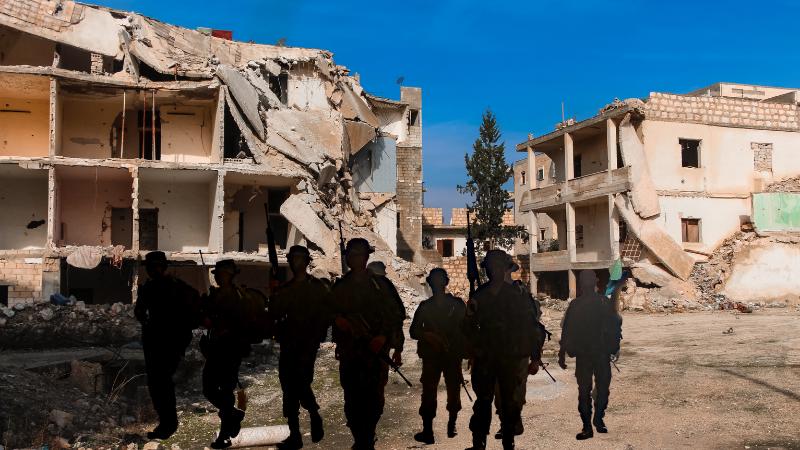
The United Nations Security Council convened on Sunday for an emergency session to address the United States’ recent airstrikes on Iran’s nuclear facilities. The meeting, called at Iran’s request, quickly turned into a tense diplomatic confrontation, with many member states voicing strong disapproval of the military action and warning of its potential consequences for regional and global stability.
The strikes, carried out jointly by the United States and Israel, have significantly heightened tensions in the already volatile Middle East. As the world reacts, Iran has issued a string of warnings and declared its intention to continue uranium enrichment activities undeterred by what it views as acts of aggression. The session underscored the growing international division over how to manage Iran’s nuclear ambitions and respond to escalating hostilities.
Russia, China, and Pakistan jointly introduced a resolution at the session calling for an immediate and unconditional ceasefire across the Middle East. The resolution aims to prevent the conflict from widening and stresses the need for diplomatic engagement over military confrontation. While the proposal received vocal support from several nations, others remained cautious, citing security concerns and Iran’s ongoing nuclear activities.
Iran’s Khatam Central Headquarters issued a stark warning following the strikes, accusing the United States of a direct invasion of Iranian territory and pledging a powerful response. In a statement released to the public, the headquarters condemned the airstrikes as a flagrant violation of Iran’s sovereignty and declared that retribution would be both strategic and severe.
“The criminal America, continuing its all-out support for the aggression of the Zionist regime by blatantly violating the sovereignty of the Islamic Republic of Iran, directly entered the war with Iran and invaded the sacred soil of Iran. We assure you that with this aggression, the clock will not turn in your favor. The warriors of Islam, in response to this crime, will bring heavy, regrettable, and unpredictable consequences for you with powerful and targeted operations. God willing,” the statement said.
This rhetoric reflects the gravity with which Iran views the situation. Government officials and military leaders have framed the strikes as not only acts of war but also as existential threats to the nation’s security and dignity. In light of this, Tehran appears resolute in pushing ahead with its nuclear agenda.
Deputy Foreign Minister Majid Takht-Ravanchi confirmed on Monday that Iran will not halt its uranium enrichment efforts despite the military strikes. “No one can tell us what we should or should not do,” he said. His statement reaffirms Iran’s longstanding position that its nuclear program is a sovereign right and non-negotiable, even under pressure from global powers.
The international reaction to both the airstrikes and Iran’s statements has been mixed. Some Western countries have expressed concern over Iran’s refusal to de-escalate, while others argue that the military action by the US and Israel could provoke further instability and retaliatory attacks throughout the region. Several nations have called for restraint on all sides and urged a return to diplomacy.
Within the UN chamber, sharp disagreements emerged. While Russia and China criticized the United States for breaching international norms, US representatives defended the strikes as necessary for national and regional security. They cited intelligence suggesting that Iran’s nuclear program had reached a point that could no longer be tolerated without action.
Observers fear that the situation could spiral into a wider conflict involving multiple nations and potentially drawing in regional militias, non-state actors, and allied forces. The Security Council’s emergency session did not yield a consensus, and the proposed resolution for a ceasefire remains under debate.
The stakes remain high. Iran's steadfast commitment to continuing uranium enrichment, coupled with threats of retaliatory strikes, presents a direct challenge to international non-proliferation efforts. The involvement of major powers like the US, Russia, and China further complicates the path forward and raises questions about the global community’s ability to manage such a crisis collectively.
As the situation continues to unfold, global leaders and organizations are closely monitoring developments. With diplomatic channels under strain and rhetoric intensifying, the next steps taken by Iran, the United States, and other involved parties will likely determine whether the current standoff moves toward resolution or escalates into a broader conflict. For now, the Middle East stands at a crossroads, and the decisions made in the coming days will have consequences that extend far beyond the region.