Speaking in an interview with French broadcaster TF1, Grossi stressed that time is running short to secure a diplomatic breakthrough. He noted that most of the nuclear material accumulated by Iran before the June 2025 strikes remains in place in significant quantities. While some of the stockpile may now be less accessible, Grossi underlined that from a non-proliferation standpoint the material still exists and continues to pose a serious concern for global security.
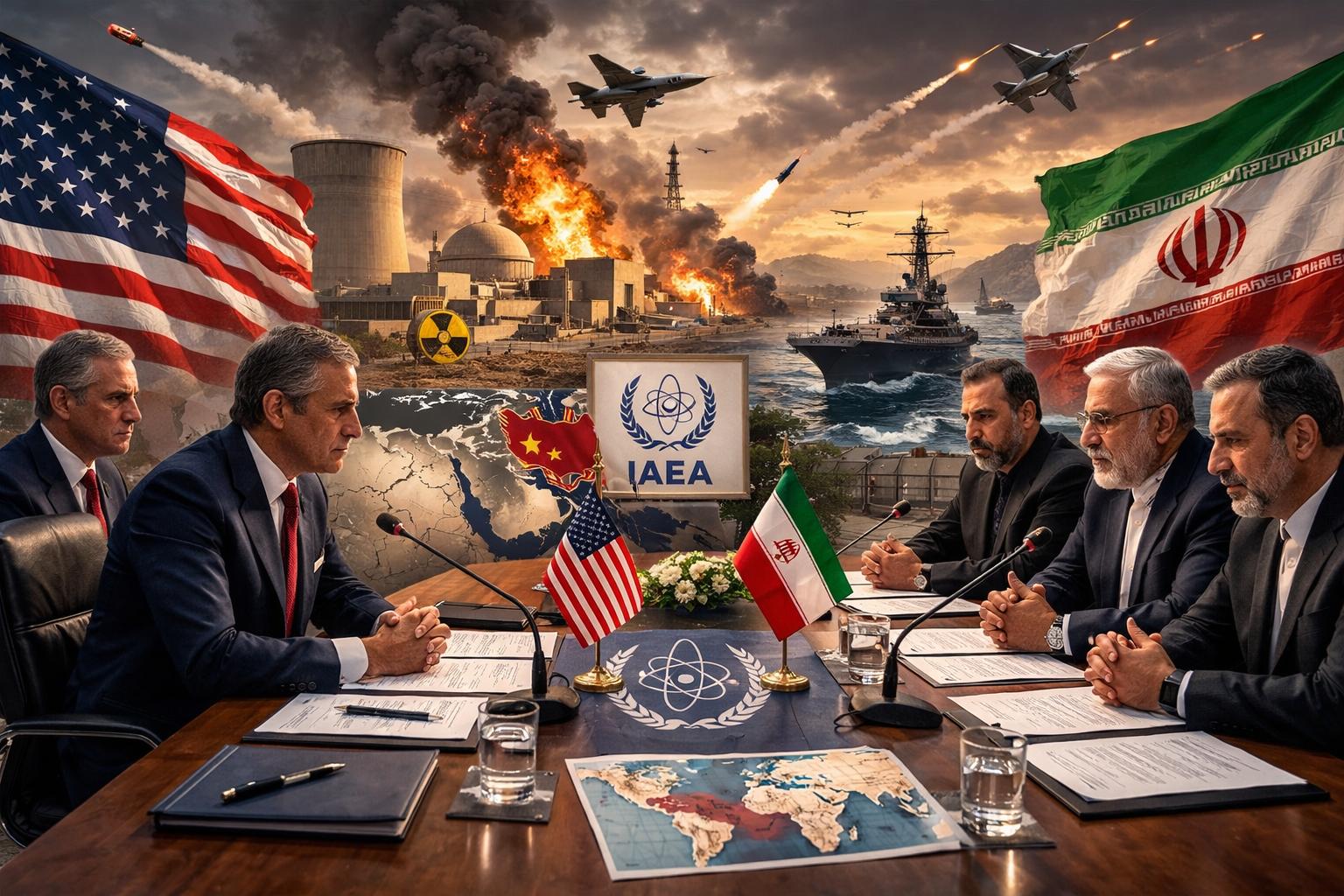
His comments followed the latest round of nuclear talks between US and Iranian officials held in Geneva on Tuesday. Both sides indicated that the discussions were constructive and that some progress had been achieved. However, the broader geopolitical environment remains tense, with Washington simultaneously increasing its military presence in the region.
President Donald Trump has reinforced US forces in the Middle East and reiterated his warning that new strikes could be launched if Iran fails to curb its nuclear programme. The administration previously maintained that Operation Midnight Hammer in June 2025 had effectively destroyed Iran’s nuclear capabilities, but subsequent assessments have raised questions about the actual extent of the damage.
Grossi cautioned that the situation carries significant risks beyond the immediate standoff. He pointed to the possibility of a wider regional escalation, particularly as Russian naval vessels and aircraft recently participated in joint military exercises with Iran in the Strait of Hormuz and the Gulf of Oman. According to the IAEA chief, avoiding another military confrontation between Washington and Tehran is vital to prevent a potential spillover that could destabilize neighboring countries.
Describing the current moment as pivotal, Grossi said the longstanding deadlock over Iran’s nuclear programme has been shaped by cycles of conflict and negotiation, including last year’s brief but intense confrontation. He expressed cautious optimism that renewed technical discussions could help identify practical steps forward, noting that his involvement in the talks signals a willingness among the parties to address concrete issues.
President Trump has maintained a firm stance, repeatedly stating that the United States will not permit Iran to develop nuclear weapons capability under any circumstances. Reports circulating this week indicated that the US leader has been weighing possible military options, including a potential strike as early as this weekend, though no final decision has been confirmed.
In Washington, Trump urged Iran to choose a diplomatic path, warning of serious consequences if negotiations fail. Meanwhile, international concern continues to mount. Poland’s Prime Minister Donald Tusk advised Polish citizens currently in Iran to leave the country immediately, citing what he described as a very real risk that conflict could erupt and make evacuations difficult.
As diplomatic efforts continue, Grossi’s warning underscores the fragile state of negotiations and the high stakes involved. With nuclear material still present and military forces on heightened alert, the coming weeks are likely to prove critical in determining whether diplomacy can avert another dangerous confrontation in the Middle East.