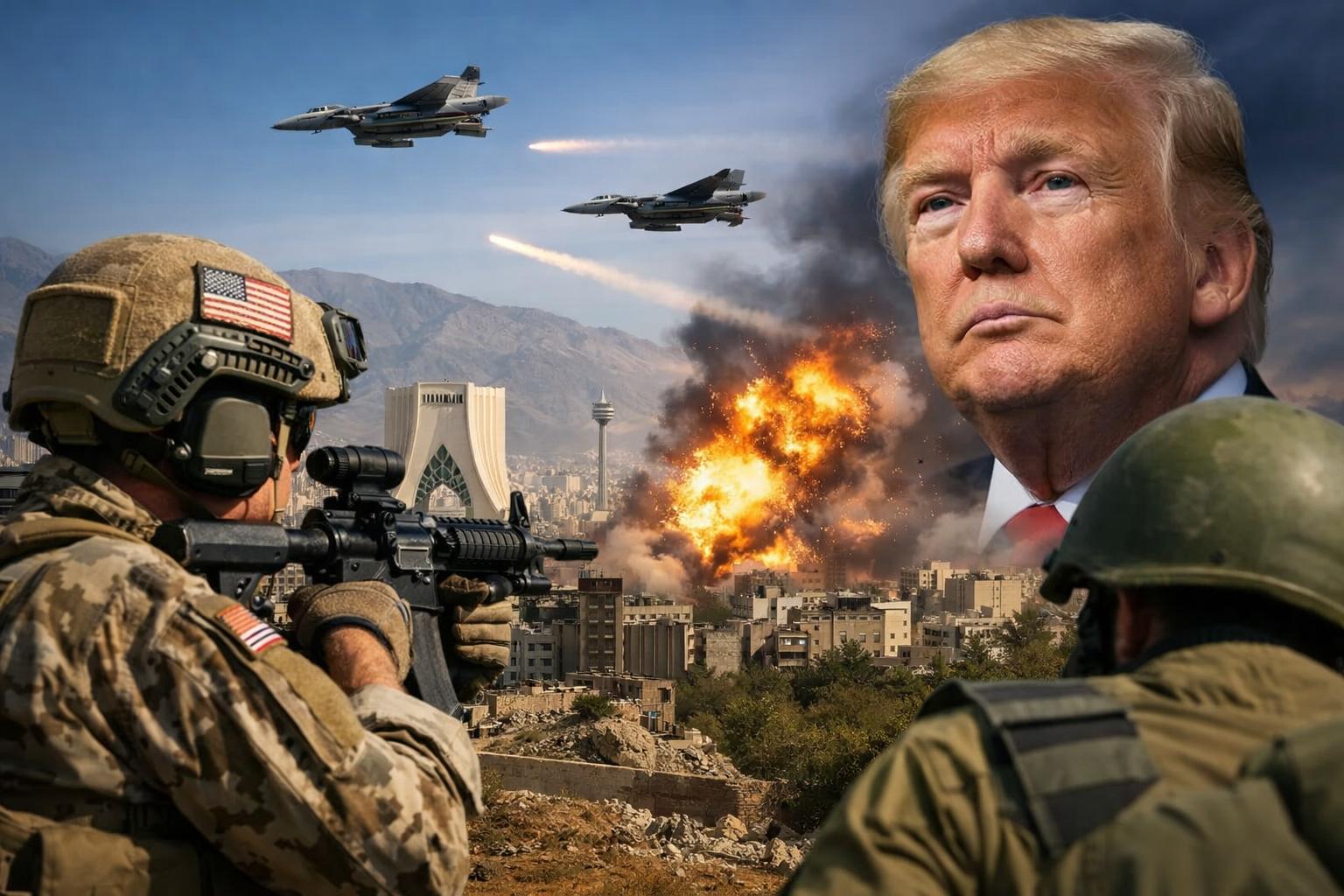
In a video posted on social media, Trump pledged retaliation for the killings, stating that the United States would not allow attacks on its forces to go unanswered. At the same time, he indicated that diplomatic options had not been completely ruled out. In an interview, he said he was open to discussions with Iran’s newly emerging leadership, suggesting that dialogue could take place if conditions allow, even as military operations continue.
Iran’s foreign minister Abbas Araghchi said Tehran had anticipated such a confrontation and spent nearly two decades preparing for a prolonged conflict with the United States. According to him, Iran developed a decentralised defence structure known as the “Mosaic Defence,” designed to allow the country to maintain military operations even if key command centres are destroyed in airstrikes. He said the system enables local units to act independently, making it harder for opposing forces to cripple Iran’s response.
Intelligence sources indicated that American agencies had been monitoring senior Iranian figures for several months prior to the latest attacks. The information reportedly played a role in strikes that killed Iran’s Supreme Leader Ayatollah Ali Khamenei along with dozens of close associates, dealing a major blow to the country’s leadership. Despite the losses, Iranian officials insist the country’s defence network remains intact and capable of sustaining resistance as the conflict continues to unfold.