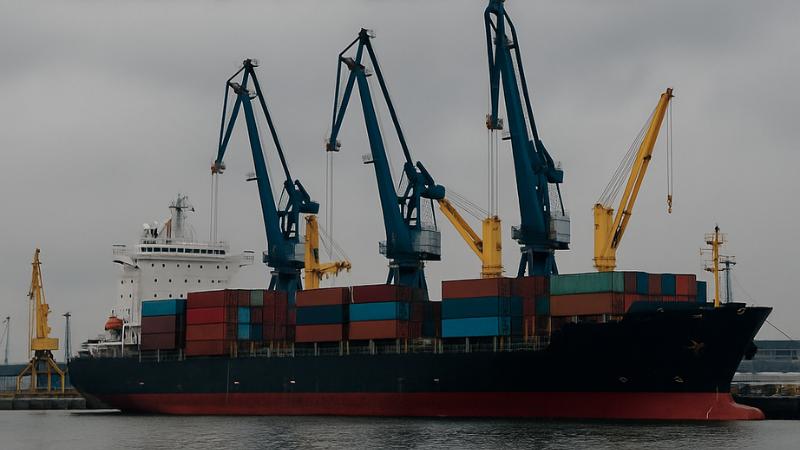
Pakistan has offered Bangladesh the use of its Karachi port for exporting jute and other goods, marking a significant geopolitical move amid deteriorating India-Bangladesh relations. The offer comes shortly after India banned the import of jute products through land routes, a major blow to Bangladesh’s export sector. The development was formalized during the Pakistan-Bangladesh Joint Economic Commission (JEC) meeting in Dhaka, held after a gap of nearly 20 years, signaling a thaw in relations between the two countries that were once bitter rivals.
While Pakistan’s offer provides Bangladesh an alternative trade route to the Gulf, China, and Central Asia, experts have questioned the economic viability of the Karachi route, which spans over 2,600 nautical miles and takes nearly two weeks. Nonetheless, Islamabad appears to be using the move as a symbolic gesture to challenge India’s regional influence. Pakistan has also reduced taxes and customs duties on Bangladeshi jute imports to facilitate the partnership, while seeking faster market access for Pakistani mangoes to replace India’s declining exports to Dhaka.
The shift underscores the changing geopolitical dynamics in South Asia following the fall of Sheikh Hasina’s government in 2024. Under Muhammad Yunus’s interim regime, Bangladesh has distanced itself from New Delhi and strengthened ties with Islamabad and Beijing. India’s trade restrictions and cancellation of transshipment agreements have further strained relations, pushing Dhaka to explore new allies. Pakistan, quick to capitalize on the rift, is leveraging trade diplomacy—using the Karachi port offer as a strategic move to rebuild influence in Bangladesh and counter India’s dominance in the region.