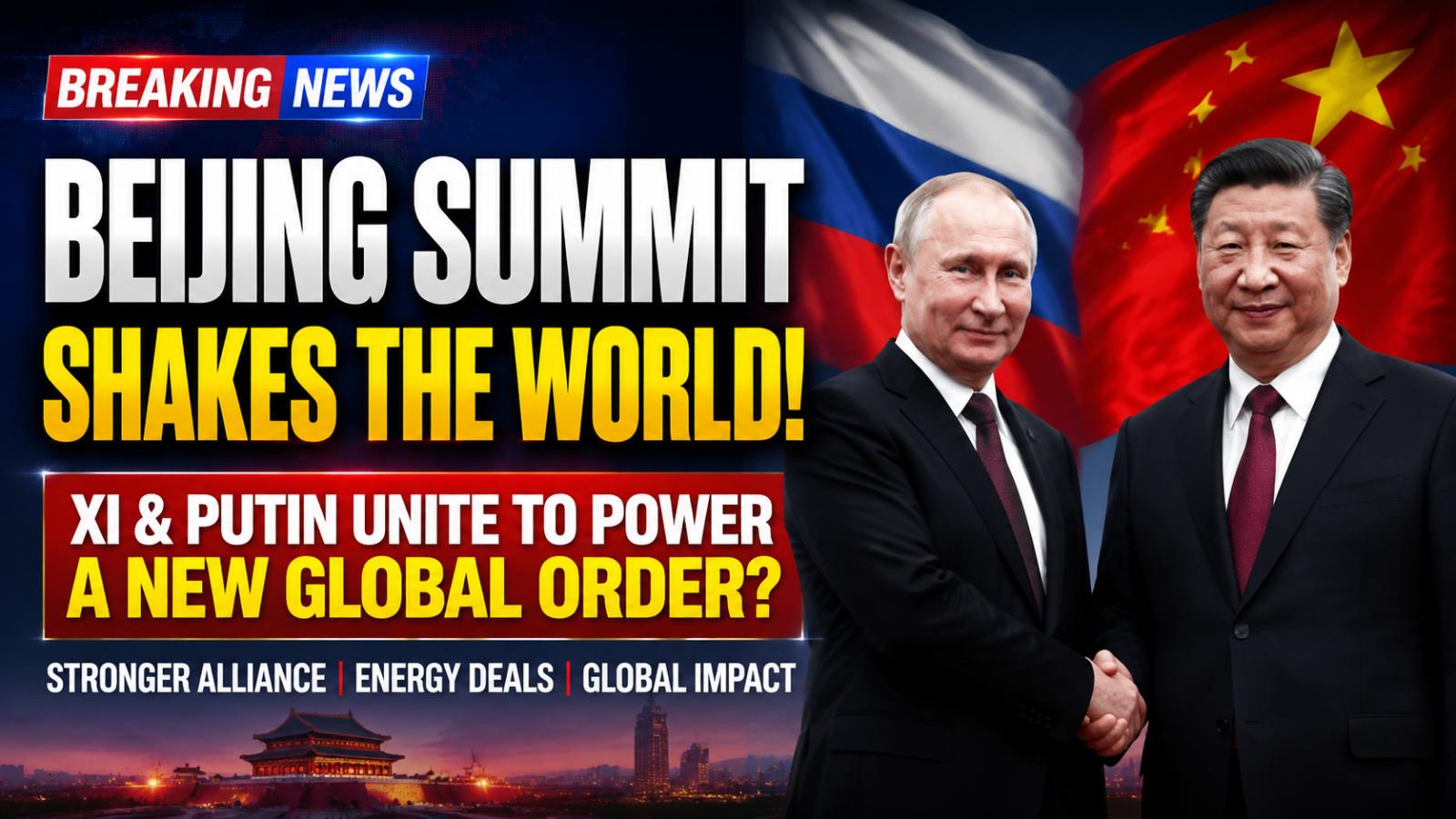
Chinese President Xi Jinping welcomed Russian President Vladimir Putin to Beijing this week, shortly after a visit from US President Donald Trump. The summit emphasizes China’s role as a central global power, balancing relations with both Washington and Moscow while advancing its strategic interests. Amid energy crises, trade disputes, and geopolitical conflicts, China aims to project stability and strengthen its influence on the global stage.
Strengthening China-Russia Strategic Ties
This visit marks Putin’s 25th trip to China, highlighting the enduring “all-weather” partnership between the two nations. The China-Russia alliance combines China’s economic power with Russia’s energy resources, ensuring resilience against Western sanctions. Trade has more than doubled since 2020, with mineral fuels and oil exports forming the core of Russia’s shipments to China.
Energy Cooperation at the Forefront
Energy discussions are central to this summit, including negotiations on the Power of Siberia 2 gas pipeline. By hosting both Putin and Trump within days, Xi signals that China remains a decisive global actor capable of advancing its economic and diplomatic priorities.
China’s Diplomatic Positioning
While advocating for talks to end the Ukraine war, China has not condemned Russia’s military actions and carefully controls dual-use exports. The summit demonstrates to Washington and the world that China-Russia ties are robust and long-term. For Xi, the optics showcase China as a stable, influential partner in global affairs, consolidating its strategic alliances while managing complex geopolitical dynamics.
Global Implications of the Summit
Through trade, energy collaboration, and diplomacy, the China-Russia summit in Beijing strengthens bilateral relations and underscores China’s expanding global role. Observers note that the meeting reinforces Beijing’s position as a key mediator and strategic force amid international uncertainty.