














#china-russia-news
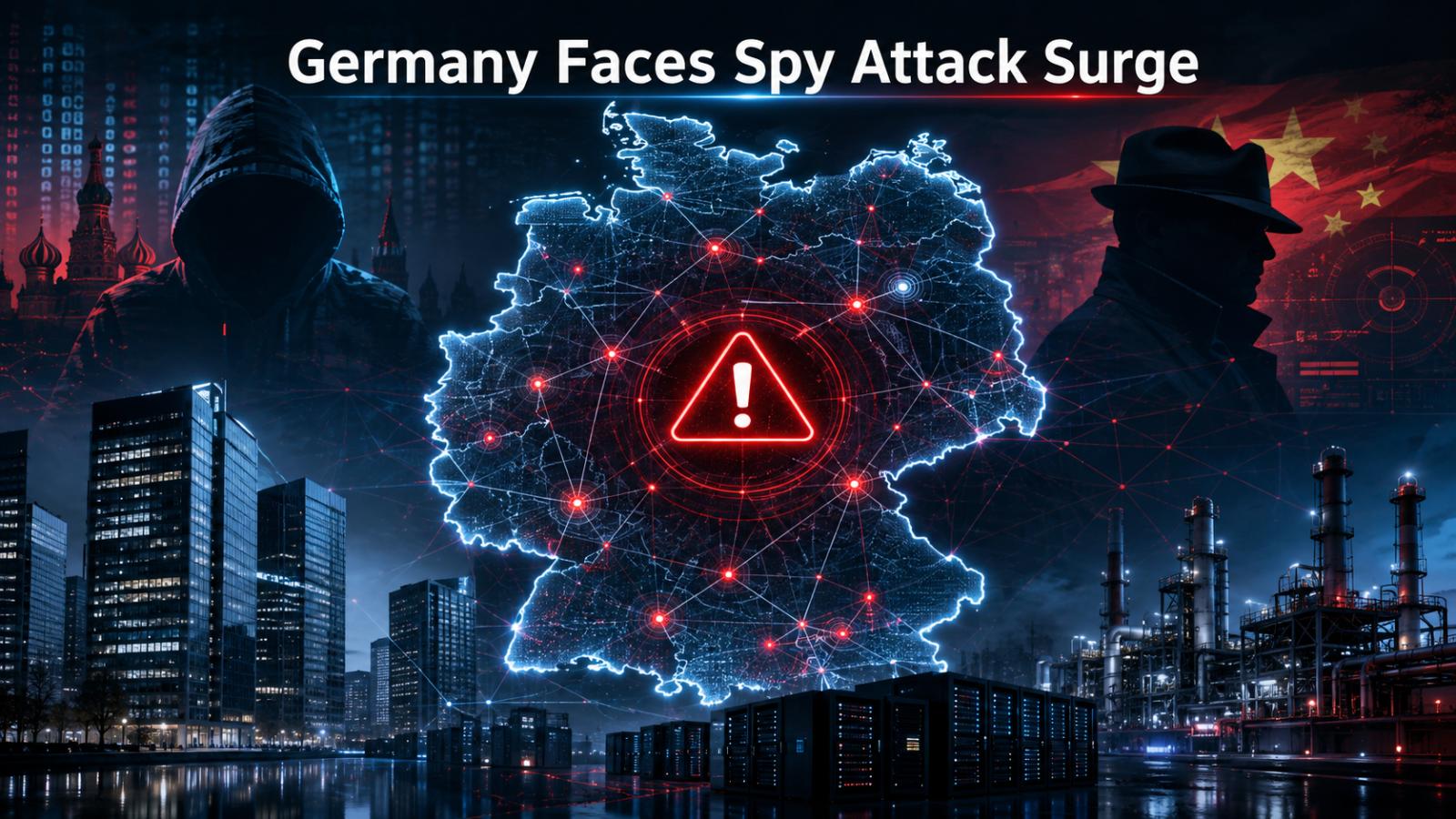
Germany Cyber Espionage Threat Surges as Foreign Spies Target Firms
Germany’s cyber threat has intensified, with foreign intelligence services playing a much larger role in attacks on businesses. A new Bitkom study says 37% of affected companies linked at least one incident to a foreign intelligence service, up sharply from 28% last year and just 7% in 2023. Foreign spies target more German companies Bit
Germany Cyber Espionage Threat Surges as Foreign Spies Target Firms
Germany’s cyber threat has intensified, with foreign intelligence services playing a much larger role in attacks on businesses. A new Bitkom study says 37% of affected companies linked at least one incident to a foreign intelligence service, up sharply from 28% last year and just 7% in 2023. Foreign spies target more German companies Bit
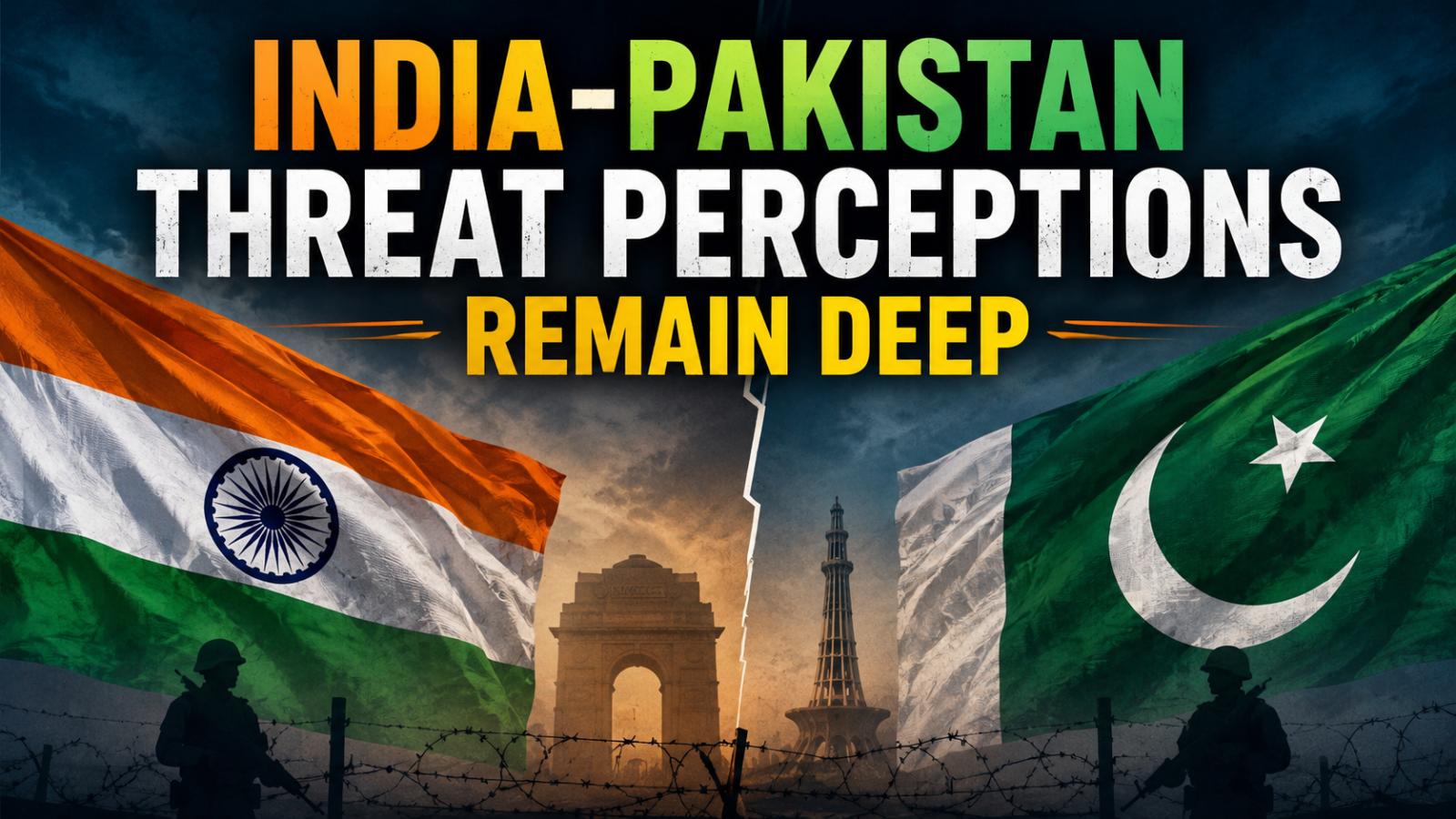
India-Pakistan Threat Views Persist Despite Changing Alliances
A new Pew Research Center survey shows the India-Pakistan threat perception remains deeply rooted. Rivalry, China’s role, Russia ties, mistrust and public opinion reveal how decades of tension continue to shape South Asia despite major changes in the global order. Rivalry India and Pakistan continue to see each other as their biggest geopolitical threat nearly eight decades after Partition. A
India-Pakistan Threat Views Persist Despite Changing Alliances
A new Pew Research Center survey shows the India-Pakistan threat perception remains deeply rooted. Rivalry, China’s role, Russia ties, mistrust and public opinion reveal how decades of tension continue to shape South Asia despite major changes in the global order. Rivalry India and Pakistan continue to see each other as their biggest geopolitical threat nearly eight decades after Partition. A
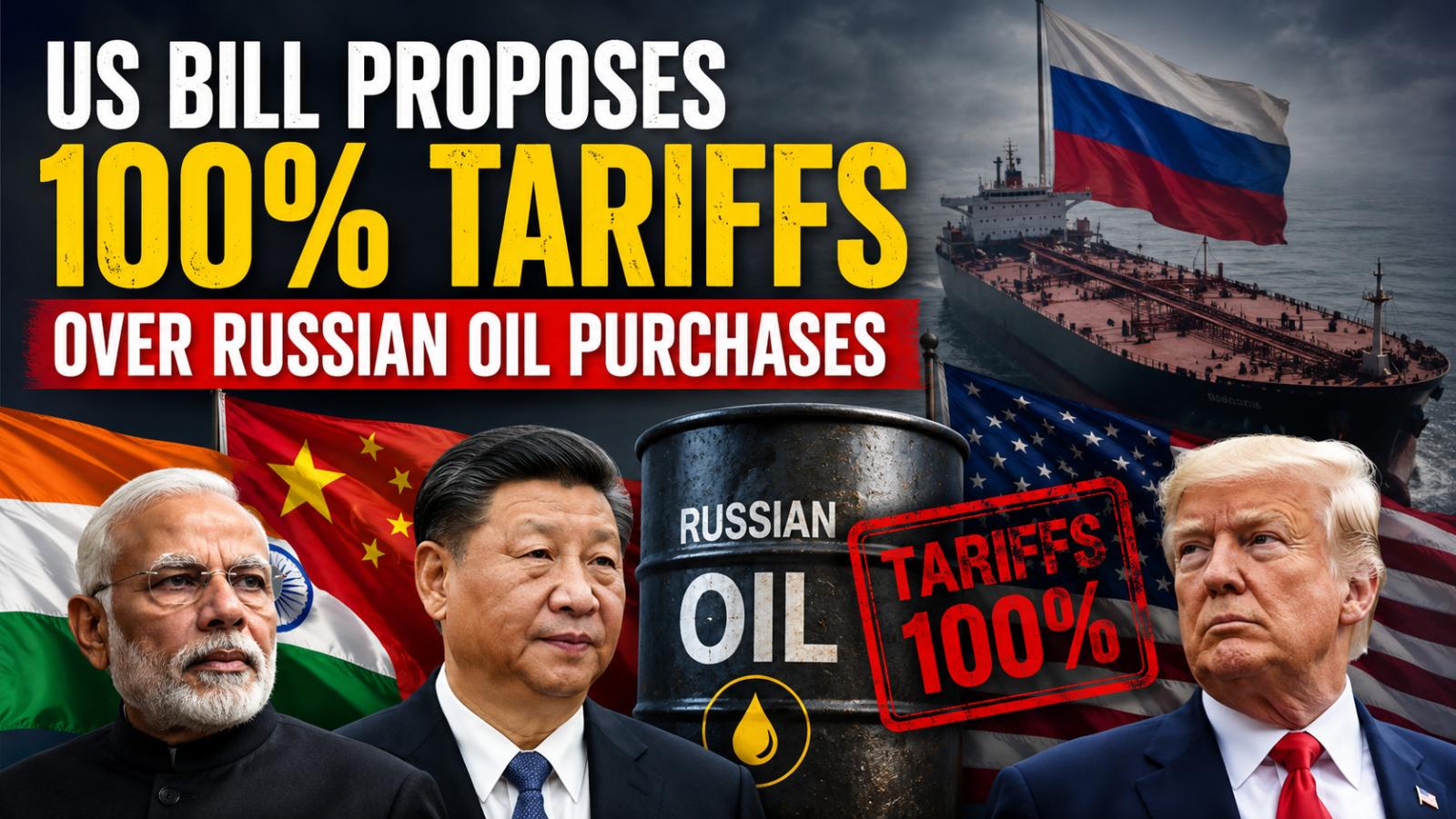
US Bill Proposes 100% Tariffs Over Russian Oil Purchases
A bipartisan group of US senators has introduced a revised sanctions bill that could impose tariffs of up to 100% on goods from countries purchasing large amounts of Russian oil and gas. India and China are among the five countries specifically targeted, placing renewed pressure on their energy trade with Moscow while raising questions about the future of India-US commercial relations. India tariff threat under revised US bill
US Bill Proposes 100% Tariffs Over Russian Oil Purchases
A bipartisan group of US senators has introduced a revised sanctions bill that could impose tariffs of up to 100% on goods from countries purchasing large amounts of Russian oil and gas. India and China are among the five countries specifically targeted, placing renewed pressure on their energy trade with Moscow while raising questions about the future of India-US commercial relations. India tariff threat under revised US bill
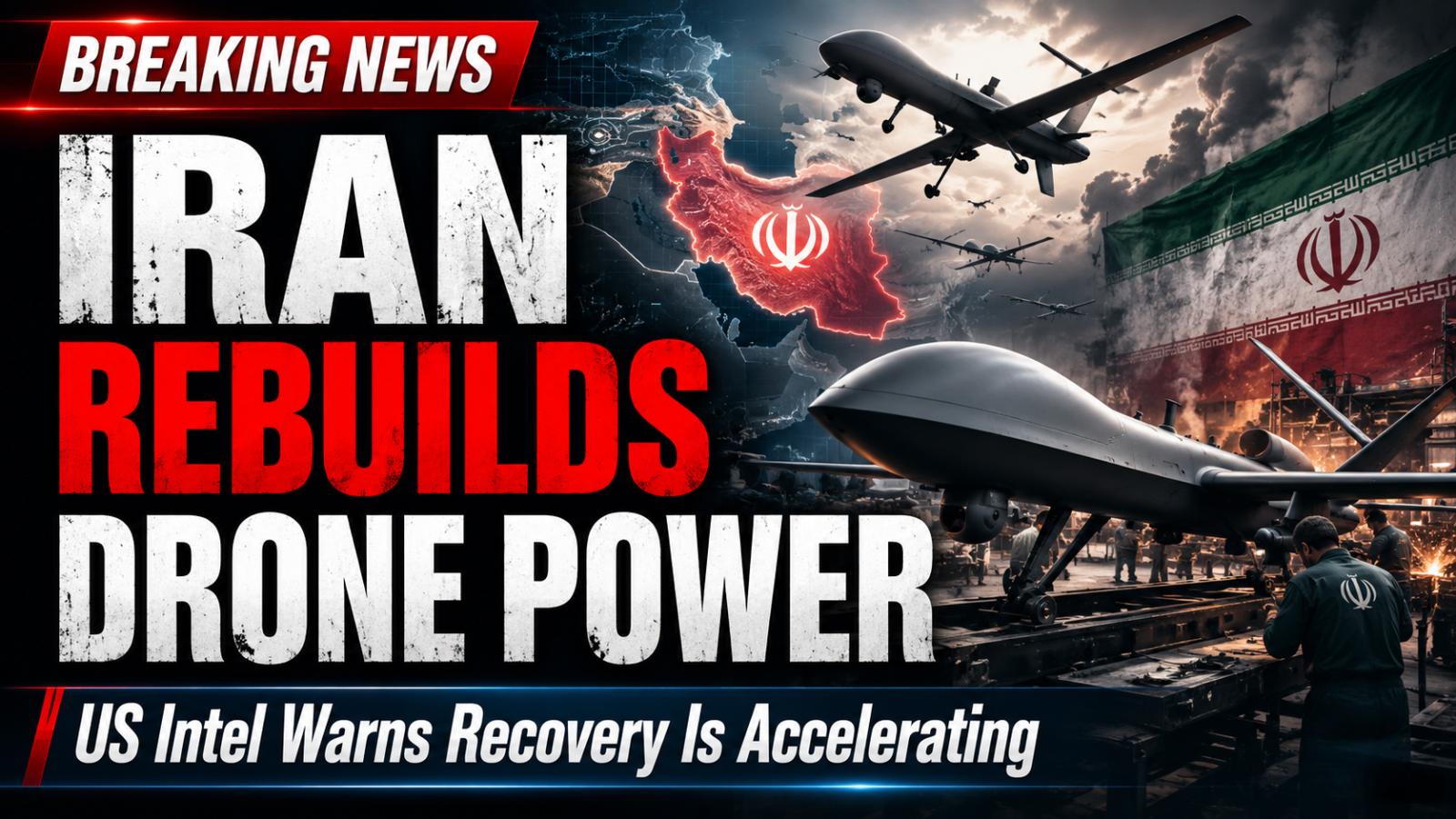
US Intel Says Iran Rebuilding Drone Program Faster Than Expected
Iran Restores Drone Production During Ceasefire Iran has resumed parts of its drone production during the six-week ceasefire that began in early April, according to people familiar with recent US intelligence assessments. The development suggests Tehran is rebuilding key military capabilities faster than some officials initially expected after US-Israeli strikes damaged missile launch sites, weapons facilities and related military infrastructure. The assessments indicate Iran’s military recovery is moving quickly, including efforts to repair launchers, restore weapons production and recover equipment affected during the conflict. Intelligence Assessments Raise Regional Concerns The findings suggest Iran could continue posing a serious threat to US regional allies if military operations resume. According to one US official familiar with the assessments, Iran may be able to fully restore its drone strike capability within six months. The pace of rebuilding also challenges earlier claims that strikes had caused long-term crippling damage to Iran’s military infrastructure. Officials believe Tehran may rely more heavily on drone attacks while missile production systems are still being repaired. Trump Warns Military Action Could Resume President Donald Trump has repeatedly warned that US military operations against Iran could restart if negotiations fail to end the conflict. On Tuesday, he said he had been close to ordering renewed bombing operations before holding back. Recent assessments suggest Iran’s rapid recovery has been helped by several factors, including possible outside assistance and the possibility that earlier strikes caused less lasting damage than expected. Russia China And Missile Supply Questions Some assessments point to continued foreign support for Iran’s weapons production network. Sources said China supplied components that could be used in missile production during the conflict, though the flow may have slowed because of the US blockade. China has rejected accusations that it is supporting Iran’s missile manufacturing. Russia has also been cited by sources as a factor in Iran’s broader recovery efforts, though officials have not publicly detailed the extent of any assistance. Iran Retains Significant Military Capacity Despite heavy damage from earlier attacks, recent estimates suggest Iran still retains ballistic missile systems, drone capabilities and anti-air defenses. Intelligence assessments indicate around half of Iran’s drone capacity remains intact, with thousands of drones still available. Many coastal defense cruise missiles also survived because coastal assets were not heavily targeted. Those systems remain important to Iran’s ability to threaten shipping near the Strait of Hormuz, even as the conflict has weakened but not eliminated its military power.
US Intel Says Iran Rebuilding Drone Program Faster Than Expected
Iran Restores Drone Production During Ceasefire Iran has resumed parts of its drone production during the six-week ceasefire that began in early April, according to people familiar with recent US intelligence assessments. The development suggests Tehran is rebuilding key military capabilities faster than some officials initially expected after US-Israeli strikes damaged missile launch sites, weapons facilities and related military infrastructure. The assessments indicate Iran’s military recovery is moving quickly, including efforts to repair launchers, restore weapons production and recover equipment affected during the conflict. Intelligence Assessments Raise Regional Concerns The findings suggest Iran could continue posing a serious threat to US regional allies if military operations resume. According to one US official familiar with the assessments, Iran may be able to fully restore its drone strike capability within six months. The pace of rebuilding also challenges earlier claims that strikes had caused long-term crippling damage to Iran’s military infrastructure. Officials believe Tehran may rely more heavily on drone attacks while missile production systems are still being repaired. Trump Warns Military Action Could Resume President Donald Trump has repeatedly warned that US military operations against Iran could restart if negotiations fail to end the conflict. On Tuesday, he said he had been close to ordering renewed bombing operations before holding back. Recent assessments suggest Iran’s rapid recovery has been helped by several factors, including possible outside assistance and the possibility that earlier strikes caused less lasting damage than expected. Russia China And Missile Supply Questions Some assessments point to continued foreign support for Iran’s weapons production network. Sources said China supplied components that could be used in missile production during the conflict, though the flow may have slowed because of the US blockade. China has rejected accusations that it is supporting Iran’s missile manufacturing. Russia has also been cited by sources as a factor in Iran’s broader recovery efforts, though officials have not publicly detailed the extent of any assistance. Iran Retains Significant Military Capacity Despite heavy damage from earlier attacks, recent estimates suggest Iran still retains ballistic missile systems, drone capabilities and anti-air defenses. Intelligence assessments indicate around half of Iran’s drone capacity remains intact, with thousands of drones still available. Many coastal defense cruise missiles also survived because coastal assets were not heavily targeted. Those systems remain important to Iran’s ability to threaten shipping near the Strait of Hormuz, even as the conflict has weakened but not eliminated its military power.
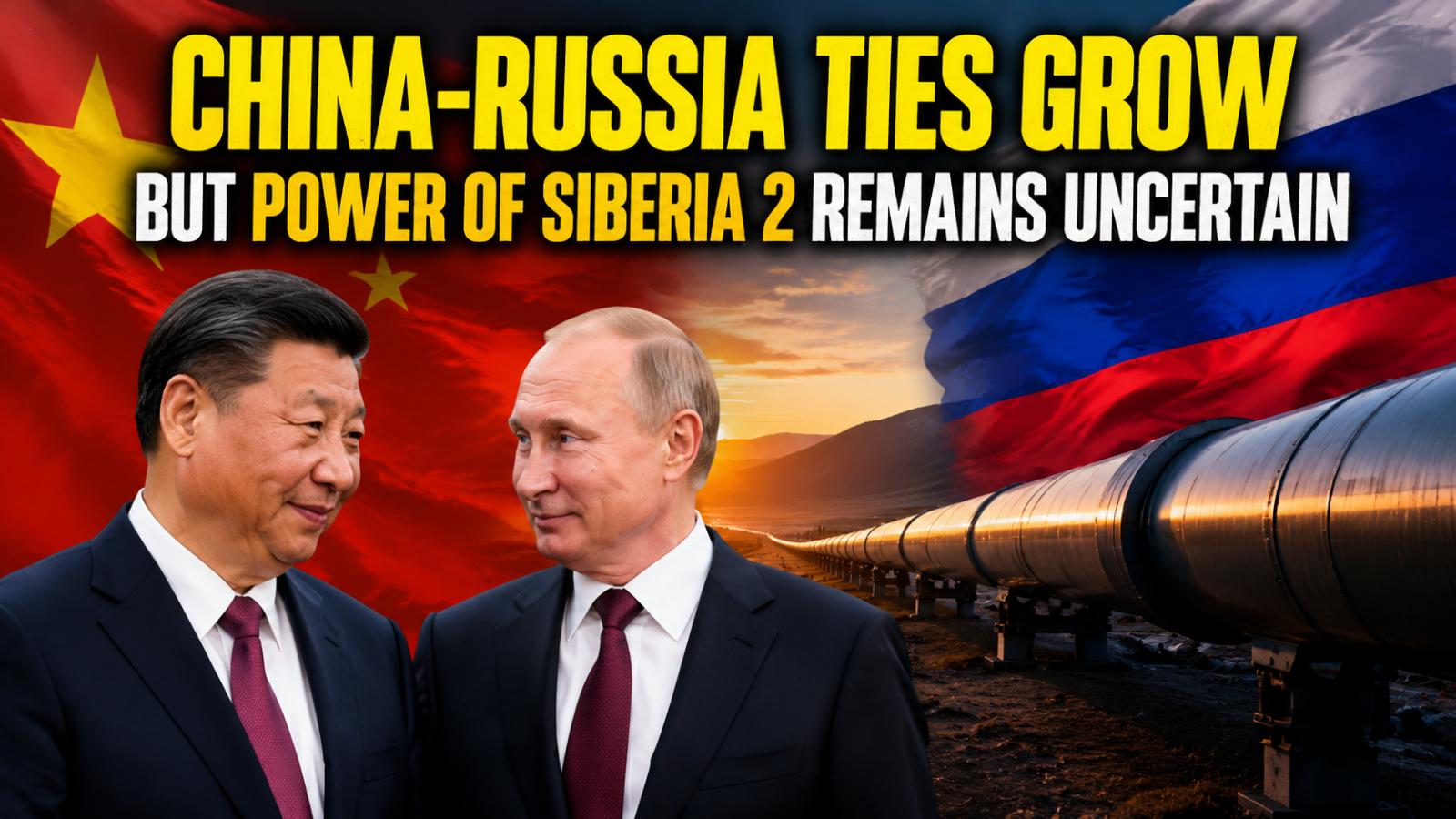
Xi and Putin strengthen energy, trade ties amid pipeline uncertainty
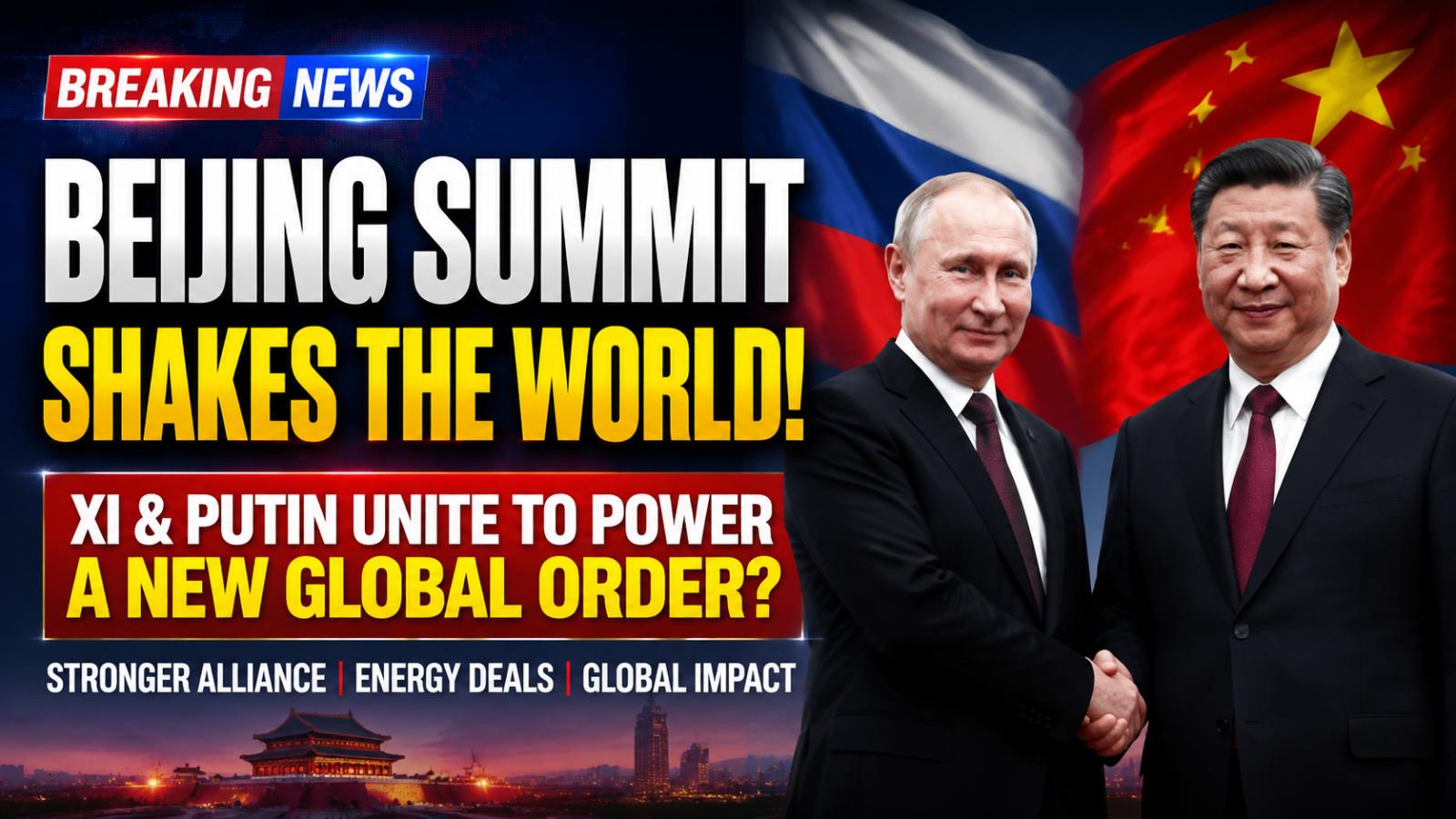
Chinese President Xi Jinping and Russian President Vladimir Putin met in Beijing to reaffirm the growing strategic partnership between their nations. The summit emphasized energy cooperation, trade expansion, and technological collaboration. Xi described the bilateral relationship as a “source of stability,” underscoring the importance of maintaining a strong alliance amid shifting global dynamics. Key Agreemen
Xi and Putin strengthen energy, trade ties amid pipeline uncertainty
Chinese President Xi Jinping and Russian President Vladimir Putin met in Beijing to reaffirm the growing strategic partnership between their nations. The summit emphasized energy cooperation, trade expansion, and technological collaboration. Xi described the bilateral relationship as a “source of stability,” underscoring the importance of maintaining a strong alliance amid shifting global dynamics. Key Agreemen
China Hosts Putin in Beijing: Strengthening Strategic Ties
Chinese President Xi Jinping welcomed Russian President Vladimir Putin to Beijing this week, shortly after a visit from US President Donald Trump. The summit emphasizes China’s role as a central global power, balancing relations with both Washington and Moscow while advancing its strategic interests. Amid energy crises, trade disputes, and geopolitical conflicts, China aims to project stability and strengthen its influence on the global stage. Strengthening China-Russia S
China Hosts Putin in Beijing: Strengthening Strategic Ties
Chinese President Xi Jinping welcomed Russian President Vladimir Putin to Beijing this week, shortly after a visit from US President Donald Trump. The summit emphasizes China’s role as a central global power, balancing relations with both Washington and Moscow while advancing its strategic interests. Amid energy crises, trade disputes, and geopolitical conflicts, China aims to project stability and strengthen its influence on the global stage. Strengthening China-Russia S
Global military spending hits $2.9 trillion in 2025 amid rising tensions
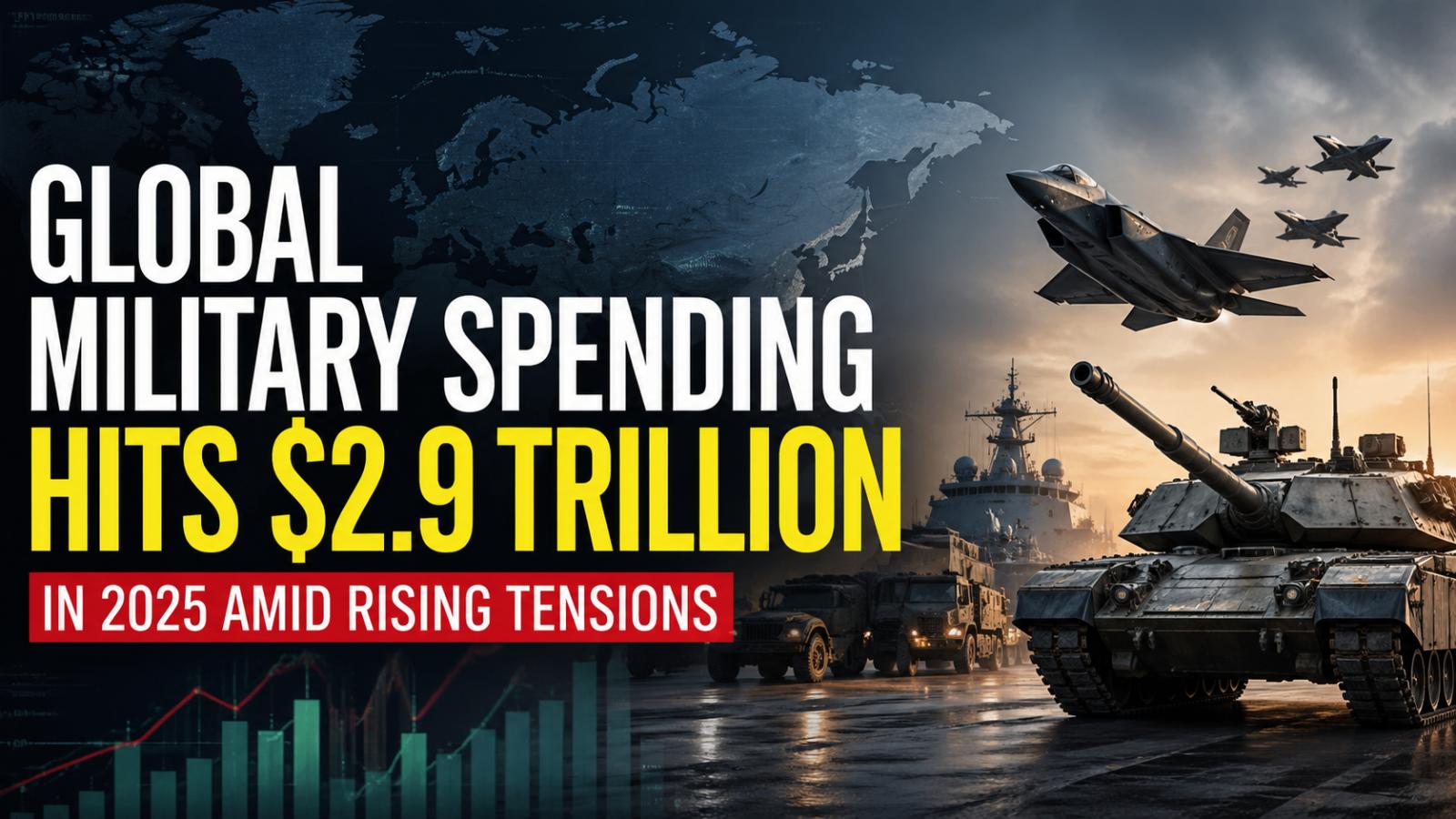
Global military spending 2025 overview Global military spending in 2025 has reached nearly $2.9 trillion, clearly showing how countries are increasing defence budgets as global tensions continue to rise. The total spending stood at $2887 billion in 2025, marking a 2.9 per cent increase from 2024, highlighting a steady rise in military expenditure trends worldwide. This reflects a world becoming less secure, with nations investing more in defence to protect themselves. The United States, Russia, and China remained the top three military spenders, with a combined total of $1.48 trillion. These nations continue to dominate global defence spending, shaping international security dynamics. Experts say this rise in defence budget growth shows that countries are preparing for both current conflicts and future uncertainties. Europe witnessed a major surge, with military spending increasing by 14 per cent to $864 billion in 2025. This sharp rise is mainly driven by the ongoing Russia-Ukraine war and reduced dependence on the United States for security. Countries like Germany increased spending by 24 per cent to $114 billion, while Spain recorded a significant 50 per cent jump to $40.2 billion, crossing two per cent of GDP for the first time in decades. The United States remained the largest spender despite a decline of 7.5 per cent, bringing its total to $954 billion in 2025. The decrease is linked to reduced financial aid approvals for Ukraine, although future budgets suggest spending could exceed $1 trillion in 2026, indicating a possible rebound. In Eastern Europe, Russia increased its military expenditure by 5.9 per cent to $190 billion, while Ukraine saw a sharp rise of 20 per cent to $84.1 billion. Ukraine’s defence spending now accounts for a large share of its GDP, showing the intensity of the ongoing conflict. Asia and Oceania recorded one of the fastest growth rates, with spending reaching $681 billion in 2025, an 8.5 per cent increase. China led the region with $336 billion, followed by Japan and India. India increased its defence budget by 8.9 per cent to $92.1 billion, making it the fifth-largest military spender globally. This growth highlights rising security concerns across the region. In the Middle East, spending patterns were mixed. Iran’s defence expenditure fell by 5.6 per cent to $7.4 billion, mainly due to high inflation. Israel also saw a decline of 4.9 per cent to $48.3 billion after reducing military operations following a ceasefire in early 2025, although its spending remains significantly higher compared to earlier years. Regional tensions continue to influence defence strategies across the Middle East. Overall, the SIPRI report shows that global military spending is steadily increasing as countries respond to rising geopolitical tensions and conflicts. The trend highlights a shift toward stronger military preparedness, reflecting uncertainty in the global security environment.
Global military spending hits $2.9 trillion in 2025 amid rising tensions
Global military spending 2025 overview Global military spending in 2025 has reached nearly $2.9 trillion, clearly showing how countries are increasing defence budgets as global tensions continue to rise. The total spending stood at $2887 billion in 2025, marking a 2.9 per cent increase from 2024, highlighting a steady rise in military expenditure trends worldwide. This reflects a world becoming less secure, with nations investing more in defence to protect themselves. The United States, Russia, and China remained the top three military spenders, with a combined total of $1.48 trillion. These nations continue to dominate global defence spending, shaping international security dynamics. Experts say this rise in defence budget growth shows that countries are preparing for both current conflicts and future uncertainties. Europe witnessed a major surge, with military spending increasing by 14 per cent to $864 billion in 2025. This sharp rise is mainly driven by the ongoing Russia-Ukraine war and reduced dependence on the United States for security. Countries like Germany increased spending by 24 per cent to $114 billion, while Spain recorded a significant 50 per cent jump to $40.2 billion, crossing two per cent of GDP for the first time in decades. The United States remained the largest spender despite a decline of 7.5 per cent, bringing its total to $954 billion in 2025. The decrease is linked to reduced financial aid approvals for Ukraine, although future budgets suggest spending could exceed $1 trillion in 2026, indicating a possible rebound. In Eastern Europe, Russia increased its military expenditure by 5.9 per cent to $190 billion, while Ukraine saw a sharp rise of 20 per cent to $84.1 billion. Ukraine’s defence spending now accounts for a large share of its GDP, showing the intensity of the ongoing conflict. Asia and Oceania recorded one of the fastest growth rates, with spending reaching $681 billion in 2025, an 8.5 per cent increase. China led the region with $336 billion, followed by Japan and India. India increased its defence budget by 8.9 per cent to $92.1 billion, making it the fifth-largest military spender globally. This growth highlights rising security concerns across the region. In the Middle East, spending patterns were mixed. Iran’s defence expenditure fell by 5.6 per cent to $7.4 billion, mainly due to high inflation. Israel also saw a decline of 4.9 per cent to $48.3 billion after reducing military operations following a ceasefire in early 2025, although its spending remains significantly higher compared to earlier years. Regional tensions continue to influence defence strategies across the Middle East. Overall, the SIPRI report shows that global military spending is steadily increasing as countries respond to rising geopolitical tensions and conflicts. The trend highlights a shift toward stronger military preparedness, reflecting uncertainty in the global security environment.
How are U.S. oil blockades impacting global tensions? They raise risks with China and Russia
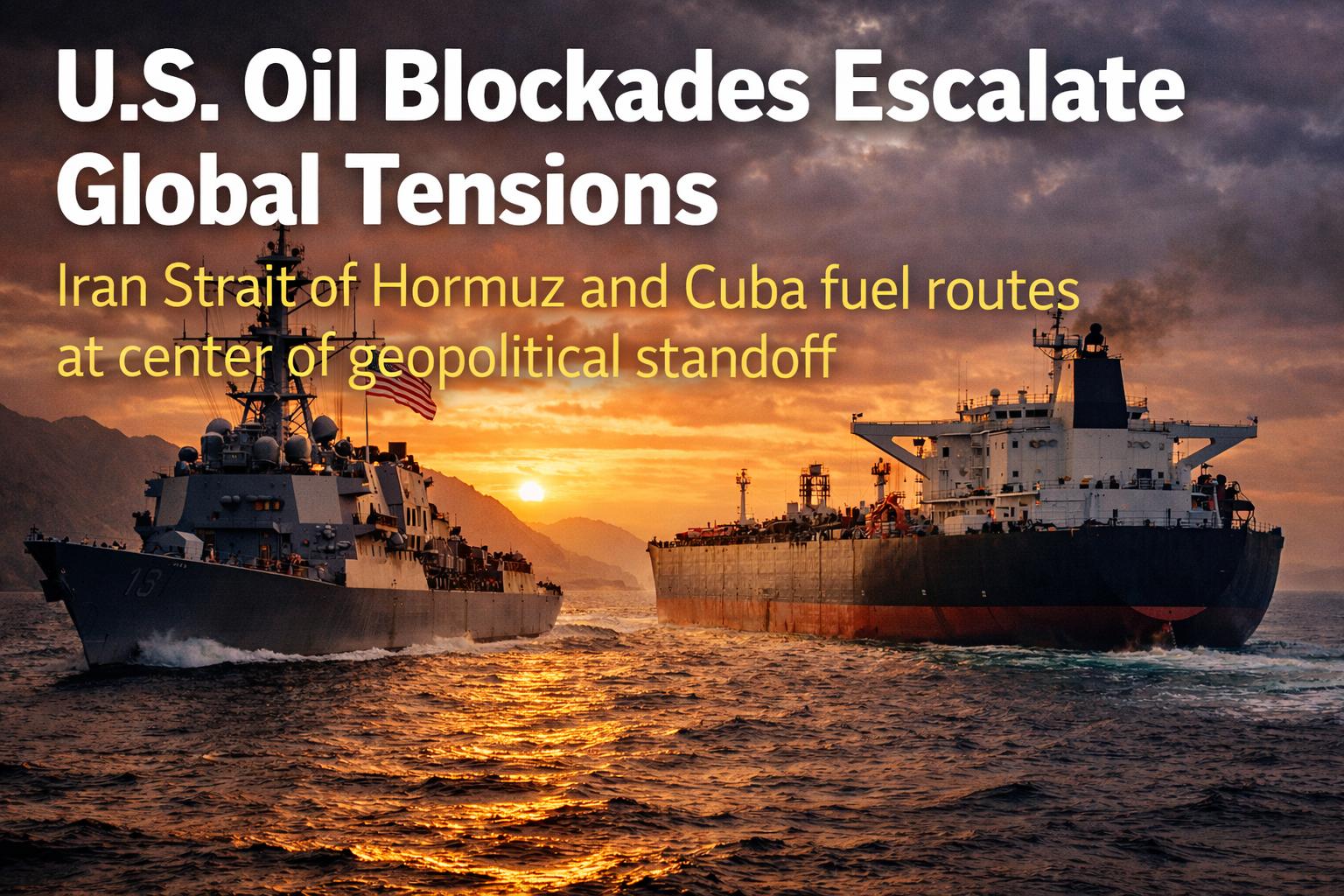
The United States has intensified its use of energy shipments as a foreign policy tool, launching parallel efforts aimed at Iran in the Middle East and Cuba in the Caribbean. Under President Donald Trump, a naval blockade targeting Iranian vessels in and around the Strait of Hormuz began on Monday, marking a significant escalation despite a ceasefire agreement reached on April 7 between regional actors. At the same time, Washington has imposed a de facto fuel blockade on Cuba, warn
How are U.S. oil blockades impacting global tensions? They raise risks with China and Russia
The United States has intensified its use of energy shipments as a foreign policy tool, launching parallel efforts aimed at Iran in the Middle East and Cuba in the Caribbean. Under President Donald Trump, a naval blockade targeting Iranian vessels in and around the Strait of Hormuz began on Monday, marking a significant escalation despite a ceasefire agreement reached on April 7 between regional actors. At the same time, Washington has imposed a de facto fuel blockade on Cuba, warn
US may impose 500% tariffs on countries buying Russian oil under new bill
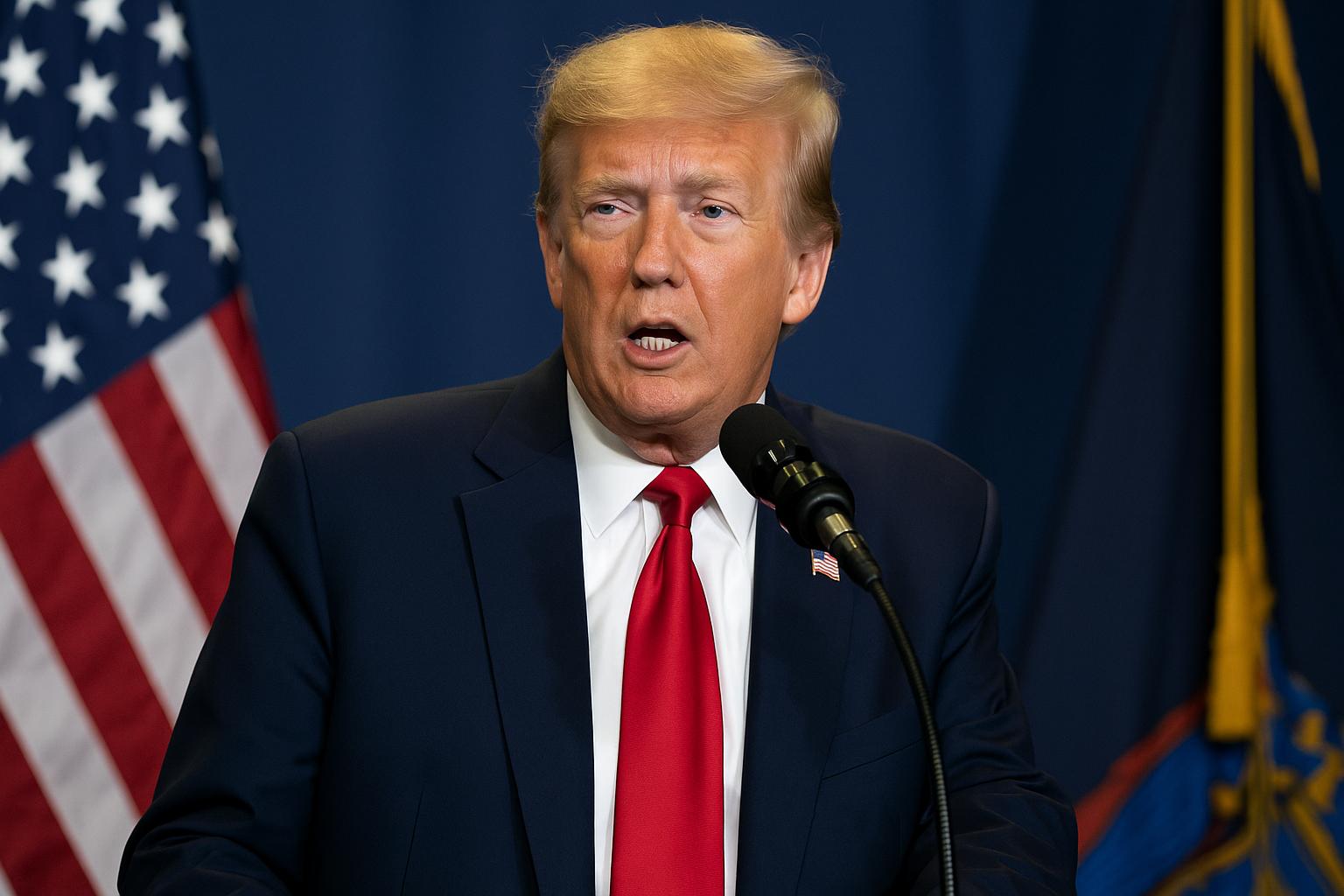
The United States is preparing a major escalation in its economic pressure campaign against Russia, with President Donald Trump announcing that he supports Senate legislation enabling Washington to impose tariffs of up to 500 percent on countries that continue significant trade with Moscow. The measure represents one of the most aggressive attempts yet to curtail Russian war funding and signals growing frustration in Washington over the prolonged conflict in Ukraine. Speaking before
US may impose 500% tariffs on countries buying Russian oil under new bill
The United States is preparing a major escalation in its economic pressure campaign against Russia, with President Donald Trump announcing that he supports Senate legislation enabling Washington to impose tariffs of up to 500 percent on countries that continue significant trade with Moscow. The measure represents one of the most aggressive attempts yet to curtail Russian war funding and signals growing frustration in Washington over the prolonged conflict in Ukraine. Speaking before
US tariff battle with India deepens as Lavrov slams Washington ultimatum
Russian foreign minister Sergey Lavrov has strongly criticised Washington’s trade and tariff threats, arguing that major powers such as India and China cannot be coerced into changing their policies through ultimatums. Speaking on a television programme in Moscow, Lavrov said that the repeated warnings from the United States to cut energy ties with Russia were not only failing but also backfiring, as they were pushing countries to diversify markets, look for alternative energy resources
US tariff battle with India deepens as Lavrov slams Washington ultimatum
Russian foreign minister Sergey Lavrov has strongly criticised Washington’s trade and tariff threats, arguing that major powers such as India and China cannot be coerced into changing their policies through ultimatums. Speaking on a television programme in Moscow, Lavrov said that the repeated warnings from the United States to cut energy ties with Russia were not only failing but also backfiring, as they were pushing countries to diversify markets, look for alternative energy resources
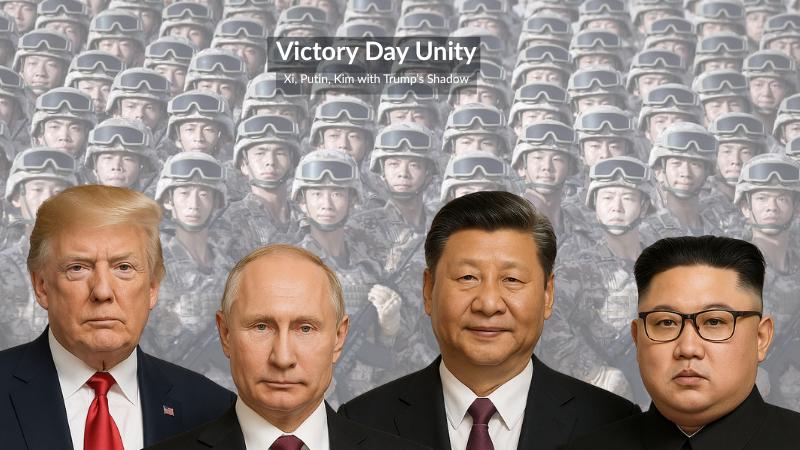
Trump message on China Victory Day sparks global attention amid tensions
US President Donald Trump extended greetings to China on its Victory Day celebrations and sent what he described as warm regards to world leaders Vladimir Putin and Kim Jong Un. His message came in the form of a statement where he linked historical sacrifices made by American soldiers during China’s wartime struggle to present-day global politics. The statement sparked widespread attention, not only because of the sensitive timing of the message but also because of the leaders he specif
Trump message on China Victory Day sparks global attention amid tensions
US President Donald Trump extended greetings to China on its Victory Day celebrations and sent what he described as warm regards to world leaders Vladimir Putin and Kim Jong Un. His message came in the form of a statement where he linked historical sacrifices made by American soldiers during China’s wartime struggle to present-day global politics. The statement sparked widespread attention, not only because of the sensitive timing of the message but also because of the leaders he specif
Lindsey Graham criticizes India, China, Brazil over Russian oil amid Ukraine conflict
Following the narrative established during the Trump administration, South Carolina Senator Lindsey Graham has drawn a connection between US tariffs, the ongoing Russia-Ukraine conflict, and India’s role in the global energy market. On Wednesday, Graham responded sharply to reports of a deadly Russian strike in Kyiv that killed at least 23 people. His message on X directly addressed India, China, and Brazil for their continued purchase of Russian crude.
Lindsey Graham criticizes India, China, Brazil over Russian oil amid Ukraine conflict
Following the narrative established during the Trump administration, South Carolina Senator Lindsey Graham has drawn a connection between US tariffs, the ongoing Russia-Ukraine conflict, and India’s role in the global energy market. On Wednesday, Graham responded sharply to reports of a deadly Russian strike in Kyiv that killed at least 23 people. His message on X directly addressed India, China, and Brazil for their continued purchase of Russian crude.
Nikki Haley urges US to strengthen ties with India amid tariff tensions
As tensions rise between India and the United States over trade and tariff disputes, former US Ambassador to the United Nations Nikki Haley has urged Washington not to jeopardize its long-standing relationship with New Delhi. Her comments followed President Donald Trump’s announcement of a 25 percent reciprocal tariff on Indian imports along with an additional 25 percent penalty tied to India’s continued energy trade with Russia. Haley emphasized tha
Nikki Haley urges US to strengthen ties with India amid tariff tensions
As tensions rise between India and the United States over trade and tariff disputes, former US Ambassador to the United Nations Nikki Haley has urged Washington not to jeopardize its long-standing relationship with New Delhi. Her comments followed President Donald Trump’s announcement of a 25 percent reciprocal tariff on Indian imports along with an additional 25 percent penalty tied to India’s continued energy trade with Russia. Haley emphasized tha
US tariffs on India and China energy trade spark global concerns
US Secretary of State Marco Rubio has acknowledged that the idea of imposing secondary sanctions on China for refining Russian oil carries serious risks for the global economy, warning that such measures could drive up energy prices at a time when the market is already under strain. His remarks come amid ongoing friction over India’s continued oil trade with Moscow, which has led Washington to impose additional tariffs on New Delhi. The dual focus on China
US tariffs on India and China energy trade spark global concerns
US Secretary of State Marco Rubio has acknowledged that the idea of imposing secondary sanctions on China for refining Russian oil carries serious risks for the global economy, warning that such measures could drive up energy prices at a time when the market is already under strain. His remarks come amid ongoing friction over India’s continued oil trade with Moscow, which has led Washington to impose additional tariffs on New Delhi. The dual focus on China
Lindsey Graham Warns India, China, Brazil of Crushing Tariffs Over Russian Oil Imports
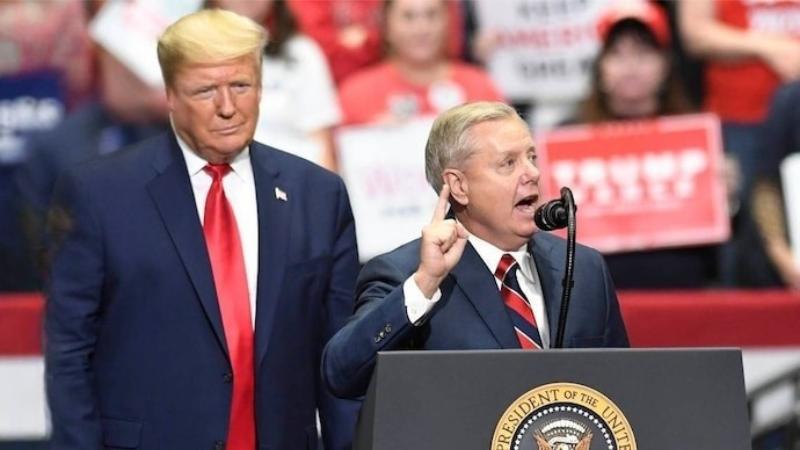
US Senator Lindsey Graham, a close ally of President Donald Trump, has issued a direct warning to India, China, and Brazil over their continued purchase of oil from Russia, suggesting that these nations could face severe economic consequences. Speaking during a live interview on Fox News, Graham revealed that the Trump administration plans to impose a 100% tariff on oil imports from countries that maintain trade relations with Russia. This bold statement comes
Lindsey Graham Warns India, China, Brazil of Crushing Tariffs Over Russian Oil Imports
US Senator Lindsey Graham, a close ally of President Donald Trump, has issued a direct warning to India, China, and Brazil over their continued purchase of oil from Russia, suggesting that these nations could face severe economic consequences. Speaking during a live interview on Fox News, Graham revealed that the Trump administration plans to impose a 100% tariff on oil imports from countries that maintain trade relations with Russia. This bold statement comes
India and China Face 100 Percent Sanctions, Warns NATO If Russia Trade Continues
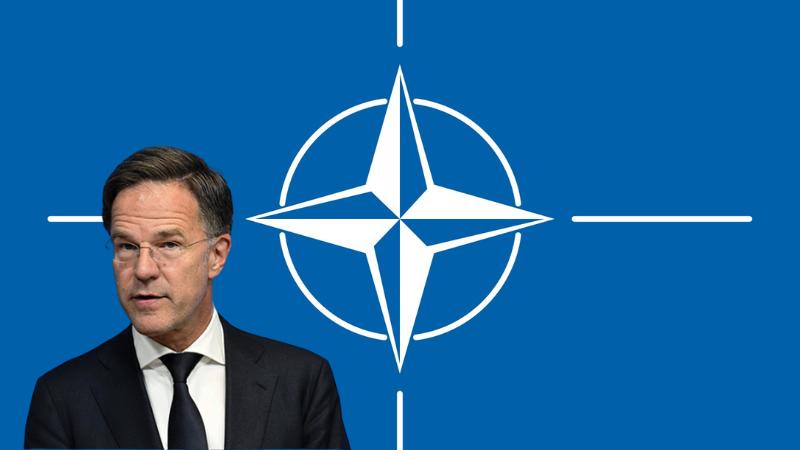
NATO Secretary General Mark Rutte has issued a clear and stern warning to countries maintaining economic relations with Russia amid the ongoing conflict in Ukraine. During recent meetings with U.S. senators, Rutte emphasized that countries like India, China, and Brazil risk facing severe secondary sanctions, including 100 percent tariffs, if they continue their commercial engagements with Russia. His message, delivered just a day after President Donald Trump revealed a new arms package for Uk
India and China Face 100 Percent Sanctions, Warns NATO If Russia Trade Continues
NATO Secretary General Mark Rutte has issued a clear and stern warning to countries maintaining economic relations with Russia amid the ongoing conflict in Ukraine. During recent meetings with U.S. senators, Rutte emphasized that countries like India, China, and Brazil risk facing severe secondary sanctions, including 100 percent tariffs, if they continue their commercial engagements with Russia. His message, delivered just a day after President Donald Trump revealed a new arms package for Uk


