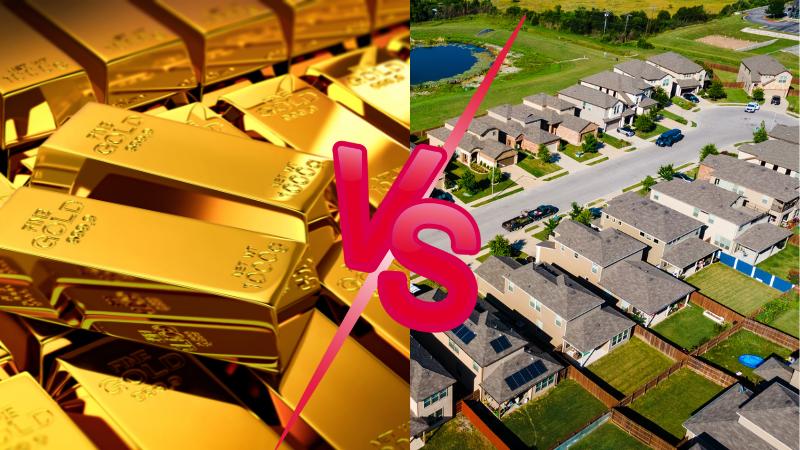
As India moves into 2026, investors face a familiar yet complex choice: gold or real estate. Both assets have historically served as trusted vehicles for preserving and growing wealth. Yet, their performance and purpose vary significantly depending on economic conditions, investor goals, and market trends.
Over the past year, both gold and property values have surged. Gold’s recent rally has been driven by global inflation, economic instability, and rising central bank purchases. These factors have reinforced its reputation as a safe-haven asset, ideal for investors seeking security and liquidity. Gold remains a reliable hedge against inflation and currency depreciation, ensuring that wealth retains its purchasing power over time. However, it doesn’t generate regular income or offer the compounding growth potential of tangible assets.
Real Estate’s Long-Term Edge
Real estate, continues to strengthen as a long-term growth engine. The sector benefits from urban expansion, lifestyle upgrades, and increased transparency in India’s property market. Investing in property provides dual advantages — capital appreciation and rental income. It also acts as a tangible asset that grows with inflation and contributes to wealth creation over time.
The Ideal Investment Mix
A balanced investment approach is often the best strategy. While gold adds stability and protects against market volatility, real estate provides growth and consistent returns. Investors with short-term liquidity needs or risk aversion may lean toward gold, while those seeking long-term financial growth and income should prioritize real estate.
Ultimately, both assets have their merits. Gold’s defensive nature offers peace of mind, but real estate’s potential for passive income and value appreciation makes it the more rewarding choice for investors with a medium to long-term outlook.
Note: This article is for informative and educational purposes only, this is not financial advice.