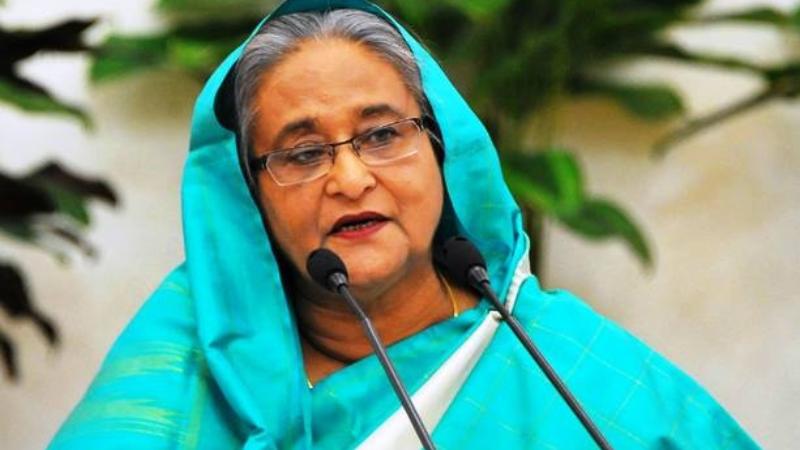
A leaked audio recording has revealed that Bangladesh’s former Prime Minister, Sheikh Hasina, allegedly authorized the brutal crackdown on student protesters in 2024. The recording, captures Hasina’s conversation with a senior government official in which she directs security forces to use "lethal weapons" and to "shoot wherever they find them," referring to the protesters. The conversation took place on July 18, 2024, while Hasina was at her residence, Ganabhaban, in Dhaka. Within hours, military-grade rifles were reportedly used to suppress the protests in the capital city.
The protests erupted over a controversial quota system in government jobs, which many students opposed. The crackdown that followed resulted in the deaths of at least 1,400 people, according to the United Nations, with the violence continuing through July and August of 2024. This massacre led to the collapse of Hasina’s Awami League government, and she fled to India on August 5, 2024. Bangladesh authorities have since requested her extradition, but she remains in India.
The leaked audio now forms a key piece of evidence in the ongoing legal proceedings against Hasina in Bangladesh. Prosecutors plan to use the recording in the International Criminal Tribunal (ICT) to establish her direct involvement in ordering the use of deadly force against protesters. Hasina has denied any responsibility for the deaths, but this audio provides the strongest evidence yet that she authorized a “shoot-on-sight” policy.
In response to the leak, an Awami League spokesperson has dismissed claims that the audio shows any unlawful intention or disproportionate response by the government. However, human rights advocates and legal experts, including Toby Cadman, who advises the ICT, have described the recordings as critical in proving Hasina’s role in the deadly crackdown. The authenticity of the tape has been verified, and it is supported by additional evidence, making it a crucial element in the investigation into one of the deadliest episodes of political violence in Bangladesh’s recent history.