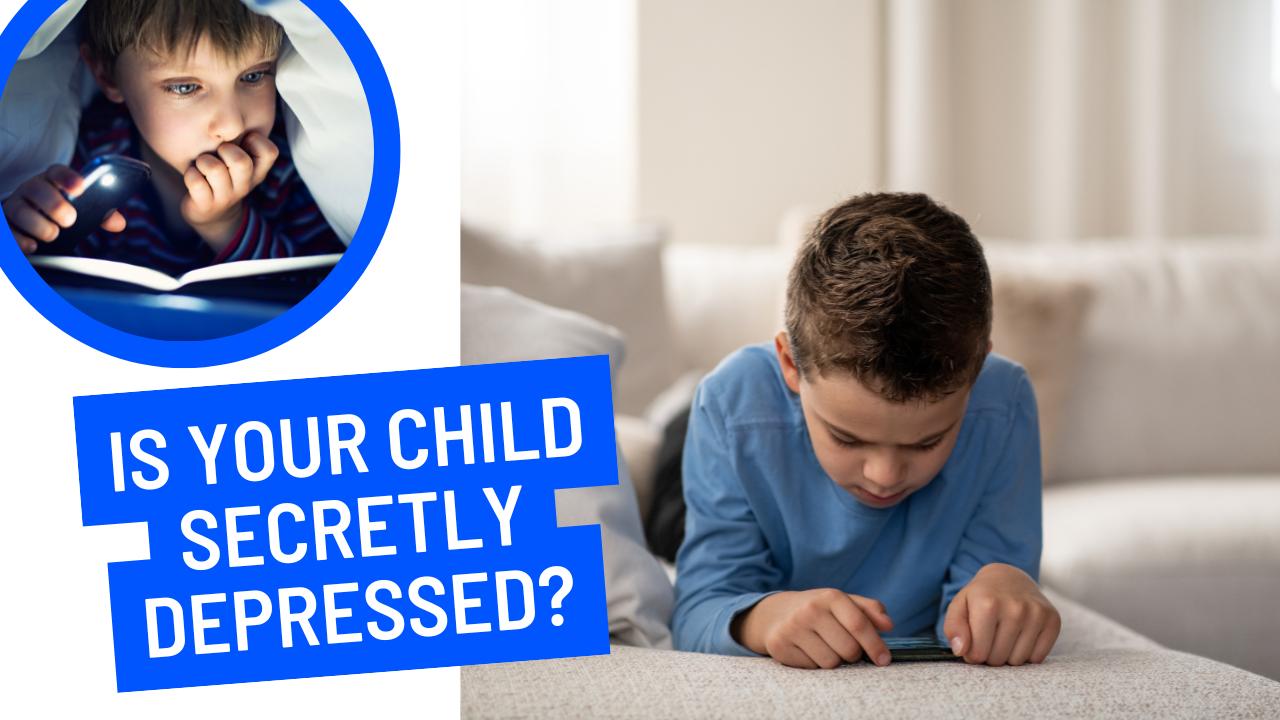
Most parents expect some moodiness or occasional emotional outbursts from their children, especially during times of stress or change. But what happens when those moods hide something deeper? Childhood depression doesn’t always look like sadness or crying—it can wear a lot of different masks. And because children don’t always have the words to express what they’re feeling, their struggle often goes unnoticed.
It’s a common misconception that depression is an "adult problem." The reality is, kids as young as preschool age can experience clinical depression. The challenge is that the signs aren’t always obvious. A child may not say “I feel sad” the way an adult might. Instead, their depression may show up as irritability, anger, withdrawal from friends or activities, changes in sleep or appetite, or even physical complaints like stomach aches and headaches.
Sometimes a child who was once cheerful and outgoing suddenly becomes quiet and distant. They might lose interest in things they used to love, have trouble concentrating in school, or seem unusually tired or unmotivated. In younger children, signs can include excessive clinginess, frequent tantrums, or regression in behaviors like bedwetting or thumb-sucking. In older kids and teens, you might see low self-esteem, feelings of worthlessness, or even talk of self-harm.
It’s important to recognize that depression doesn’t always come from a major event. Sometimes it’s linked to genetics, brain chemistry, or ongoing stress—like bullying, academic pressure, or issues at home. Other times, it may be connected to big life changes, such as a move, divorce, or the loss of a loved one. And in many cases, there’s no clear “why”—just a child quietly struggling with a weight they don’t know how to name.
If you suspect something’s off, start by gently opening the conversation. Ask open-ended questions about how they’re feeling, how things are going at school, or if there’s anything they’re worried about. Avoid pushing too hard, but let them know you’re there and you’re listening. Sometimes just being heard can be the first step toward healing.
It’s also wise to trust your gut. If you notice consistent changes in your child’s mood or behavior that last more than a few weeks, it’s time to talk to a pediatrician or a licensed mental health professional. They can help assess what’s going on and recommend the best path forward—whether it’s therapy, lifestyle changes, or further evaluation.
Above all, remember that your support matters. Children who feel emotionally safe at home are more likely to open up and recover. Simple things like quality time, routine, encouragement, and validation can create a foundation of trust and security. Depression in children is serious, but with early recognition and proper support, kids can and do recover.
Being proactive about your child’s mental health isn’t about overreacting—it’s about being informed, attentive, and ready to help when it counts most.
🔖 Explore More
Parenting During Divorce: Tips for Minimizing Stress
The Hidden Impact of Yelling on Kids’ Mental Health
The Link Between Childhood Anxiety and Overprotective Parenting
Explore more expert advice and resources in our Kids & Parenting hub.