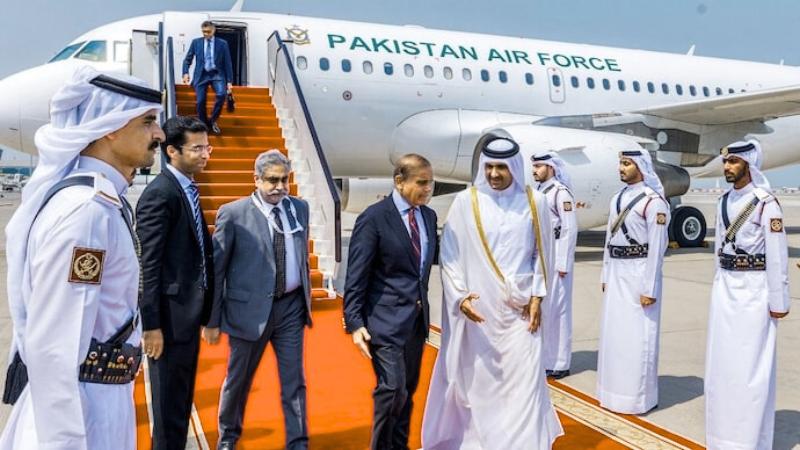
The emergency Arab-Islamic summit held in Doha on Monday has triggered renewed calls for a NATO-style military alliance of Muslim nations. The push, spearheaded by Egypt, comes in the wake of Israel’s strike in Doha that killed Hamas operatives and a Qatari officer. While leaders differed on concrete action against Israel, the summit may have set in motion the groundwork for an Arab-Islamic defense pact.
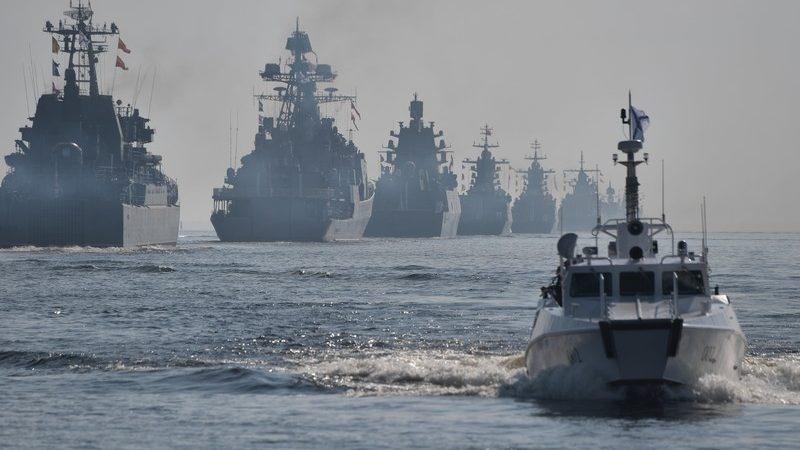
Egypt, home to the Arab world’s largest military, proposed a formalized “Arab Nato” to function as a collective defense shield. President Abdel Fattah al-Sisi outlined plans to contribute 20,000 troops, with Cairo as headquarters and an Egyptian four-star general as the first commander. The alliance would rotate leadership among Arab League states, fielding land, air, naval, and commando units backed by Saudi Arabia, the UAE, and Gulf states for funding and logistics.
Prime Minister Shehbaz Sharif of Pakistan urged the creation of an Arab-Islamic task force to monitor Israeli actions, while Turkey’s President Recep Tayyip Erdogan pressed for economic measures to pressure Israel. Iraq also supported a NATO-style collective framework, calling stability in one Muslim nation vital to all.
Despite the strong rhetoric, the summit ended with mostly symbolic resolutions. Qatar’s Emir condemned Israel’s strike as cowardly and accused it of derailing ceasefire talks. Leaders issued statements on reviewing diplomatic ties with Israel and pursuing legal action, but the more lasting takeaway is the revived debate on regional defense integration.
Analysts caution that the Arab NATO proposal faces hurdles. Past attempts stalled due to rivalries, sovereignty issues, and logistical challenges. Experts argue that the new momentum is more political signaling than military commitment. Egyptian-American author Hussein Aboubakr Mansour called it “symbolism, not substance,” while economist Steve Hanke dismissed it as all bark, no bite. with US security guarantees perceived as weakening, the idea of an Arab-Islamic shield may continue to gain traction. If realized, it could shift Middle Eastern power dynamics, redefining alliances and reducing dependence on Washington’s military umbrella.