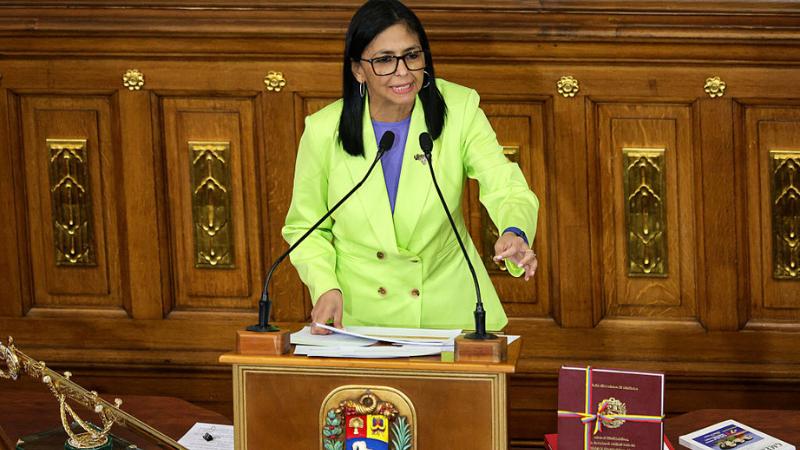
Addressing a gathering of state oil sector workers in the eastern city of Puerto La Cruz, Rodríguez said her administration had “had enough” of directives from Washington, calling for Venezuelans to resolve their political differences internally and without external interference. Her comments signal growing frustration among senior officials over what they see as undue influence from the United States in domestic affairs, particularly in areas such as oil policy and governance.
“The Republic has paid a very high price confronting the consequences of external interference,” Rodríguez said, emphasising that Venezuelan politics must be steered by Venezuelans themselves. Though she previously indicated a willingness to “cooperate” with Washington, her recent statements underscore an increasingly assertive stance on national sovereignty.
The political prisoner release process has become a flashpoint in Venezuela’s ongoing transition and in perceptions of the interim government’s legitimacy. On Monday, Interior Minister Diosdado Cabello stated that 808 individuals had been freed since before December, while Rodríguez on Friday cited an earlier total of 626 released. These figures are significantly higher than those verified by Foro Penal, a leading Venezuelan rights organisation, which has confirmed only 266 releases since Jan. 8 as of the latest update. Advocates and family members of detainees have also reported that many prisoners remain behind bars or under judicial restrictions despite their formal release.
Critics argue that the government’s reported numbers are inflated and that transparency in the release process remains limited. Foro Penal’s president, Alfredo Romero, and other human rights defenders have urged Venezuelan authorities to provide an official, independently verified list of those freed and to ensure that individuals are not subject to ongoing legal limitations that effectively curtail their freedom. Families waiting outside detention centres — including for days at makeshift vigils — say they still lack clear information on the status of their loved ones.
The prisoner release initiative forms part of a broader national reconciliation effort that the interim government says is intended to signal a departure from the repressive practices associated with Maduro’s administration. Rodrigo’s government has linked the releases to its efforts to stabilise the country and ease diplomatic relations, even as international actors continue to monitor developments closely.
Despite official claims of progress, human rights groups maintain that the pace of releases is slow and that hundreds of political dissidents remain detained. They caution that real reform requires not only freeing political prisoners but also ensuring fair legal processes and protecting civil liberties across Venezuelan society. The discrepancy between government figures and independent counts has underscored lingering distrust between the state and civil society groups, complicating efforts to present a unified narrative on Venezuela’s transition.
Rodríguez’s repudiation of external orders and her government’s handling of the prisoner issue have also raised questions about Venezuela’s future relations with the United States, particularly as Washington continues to advocate for human rights and democratic reforms. Caracas has reaffirmed that it is “not ruled by the US,” even as it navigates the delicate balance of international expectations and domestic political realities in the wake of Maduro’s detention and the ongoing transformation of the country’s political landscape.
In the coming weeks, observers say, the Venezuelan government’s approach to transparency, legal reform and engagement with human rights organisations will be critical in shaping perceptions of legitimacy and progress both at home and abroad.