- datacompass
- 24 Jun 2026
- #Global News #trump #nato #usa #europe #france #germany #uk #spain #italy #russia #geopolitics
Trump Raises Concerns Over NATO Support During Iran Conflict
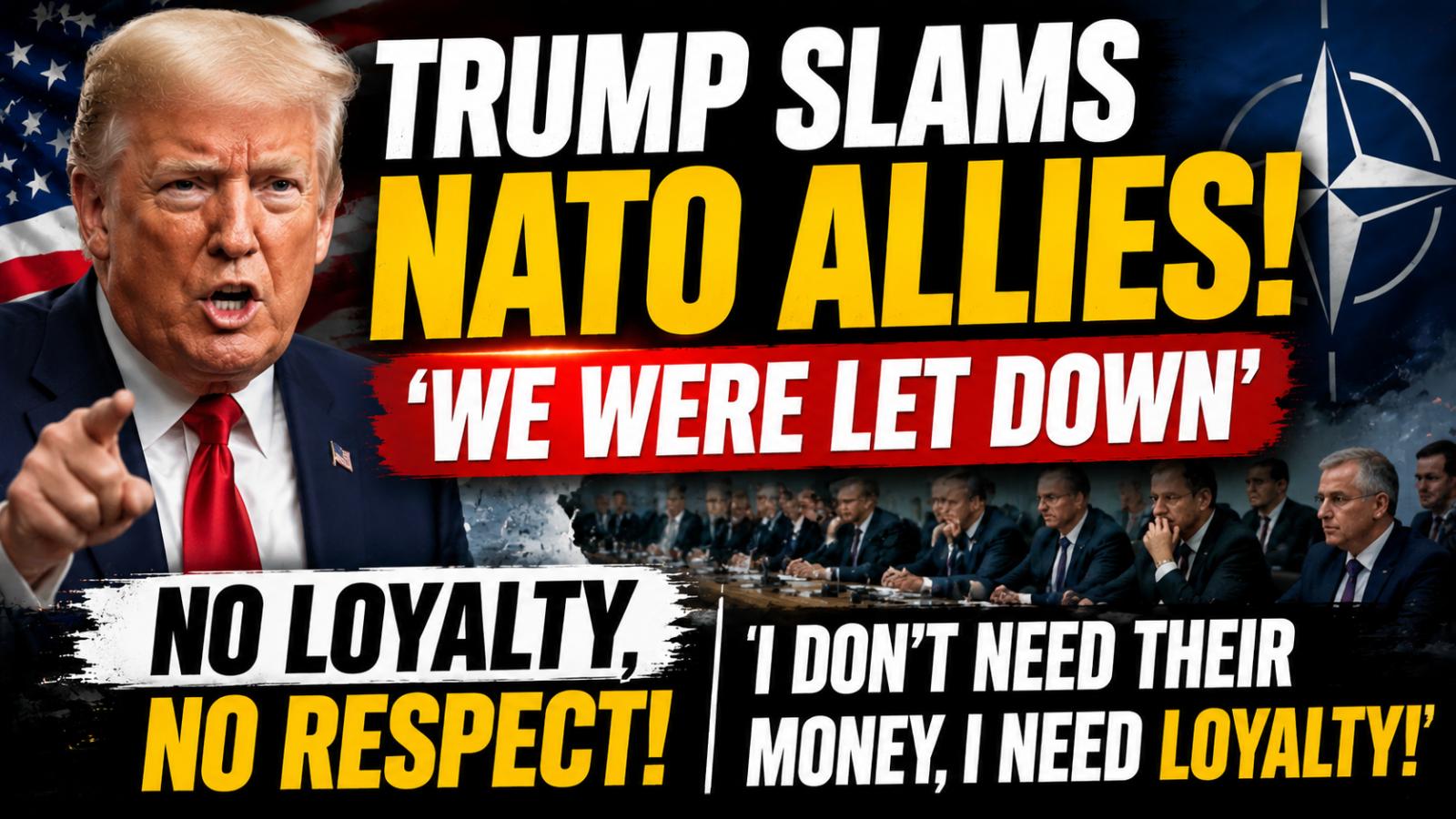
US President Donald Trump has expressed strong criticism of several NATO allies, stating that they failed to adequately support the United States during its recent military confrontation involving Iran. Speaking during a meeting with NATO Secretary General Mark Rutte at the White House, Trump said he was disappointed by the response from key European partners.
According to Trump, the US carried out decisive military action in the early phase of the conflict and expected stronger political and strategic backing from allied nations. He argued that while Washington maintains global security commitments, some NATO members did not demonstrate equivalent levels of support during the crisis.
Criticism of European Allies and Defense Contributions
Trump specifically named several countries, including Spain, Italy, the United Kingdom, Germany, and France, accusing them of contributing insufficiently to collective defense efforts. He stated that many allies expect the United States to carry a disproportionate burden of NATO responsibilities while limiting their own contributions.
The US president also emphasized that NATO cooperation should be based on mutual commitment, suggesting that certain members benefit from US military strength without offering comparable support. His remarks highlighted ongoing debates within the alliance regarding defense spending and burden-sharing among member states.
Call for Loyalty and Strategic Alignment
During the discussion, Trump reiterated that the United States maintains the strongest military capability globally and does not require additional resources from allies. However, he stressed that political unity and loyalty remain essential components of the NATO alliance structure.
He added that US forces continue to maintain a significant presence across Europe and play a central role in regional security. Trump’s comments reflect continuing tensions over NATO policy direction and differing expectations between Washington and European capitals regarding shared defense obligations.