As COVID-19 cases begin rising once again across several Asian nations, health authorities and researchers are looking into alternative forms of protection especially for people hesitant to take another jab. The recent increase in infections has been particularly notable in Hong Kong, Singapore, Thailand, and India, with India reporting 257 active cases as of May 19, according to the Union Health Ministry.
The surge coincides with the global spread of the JN.1 variant, a sublineage of the Omicron strain, prompting health departments to stay on alert. In response to these developments, researchers are highlighting a promising new approach to boost immunity without the need for traditional injections: nasal vaccines.
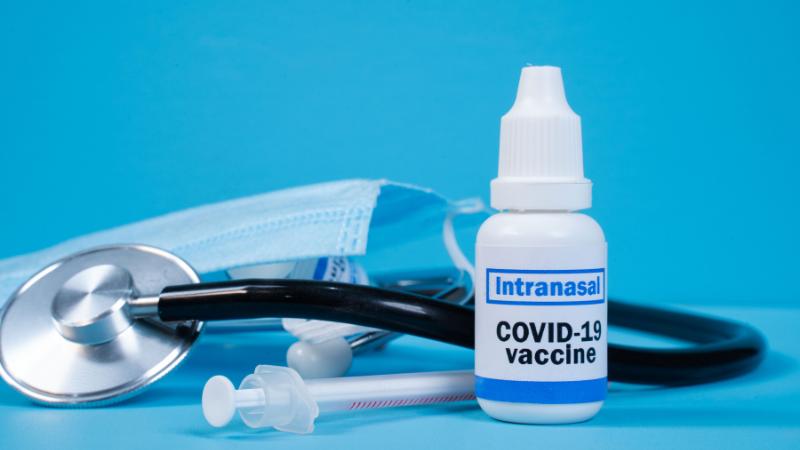
Unlike standard intramuscular COVID-19 vaccines, which are injected into the arm, nasal vaccines target the respiratory tract COVID's primary entry point. This strategy aims to produce immunity right where the virus first attacks, potentially providing better protection against infection and transmission.
At the forefront of this development is a study led by Akiko Iwasaki, Sterling Professor of Immunobiology at Yale School of Medicine. Her team has shown that delivering a simple viral protein antigen via nasal spray can enhance immune responses in the respiratory tract.
“Our study shows how a simple viral protein antigen can boost respiratory tract immune responses against viruses,” said Iwasaki. “These data imply that viral proteins in nasal spray may be used as a safe way to promote antiviral immunity at the site of viral entry.”
How the Nasal Vaccine Strategy Works
To test this method, Yale researchers used what they call a "prime and spike" approach. Mice were initially given an mRNA vaccine via intramuscular injection (the "prime") and later received a nasal booster dose containing an unadjuvanted spike protein (the "spike").
Dong-il Kwon, a postdoctoral fellow in Yale’s Department of Immunobiology, explained that this technique was designed to target mucosal surfaces directly. The results were striking: only the nasal booster triggered a strong localized immune response in the respiratory tract. Other types of boosters, including traditional intramuscular injections, failed to stimulate the same level of localized immunity.
This localized protection is critical because SARS-CoV-2, like many respiratory viruses, begins its assault in the nose and throat. Strengthening immunity in those areas may significantly reduce the risk of infection and viral shedding, making nasal vaccines a potentially powerful tool in curbing community spread especially in the face of new variants.
While the research is still in pre-clinical stages, the potential for nasal vaccines offers a compelling path forward, particularly for populations wary of repeated injections or booster doses. As the world continues to adapt to the evolving landscape of COVID-19, developments like these reflect a broader push toward accessible, targeted, and less invasive forms of protection. With new variants like JN.1 on the rise, proactive innovation in vaccine delivery may become just as vital as the vaccines themselves.