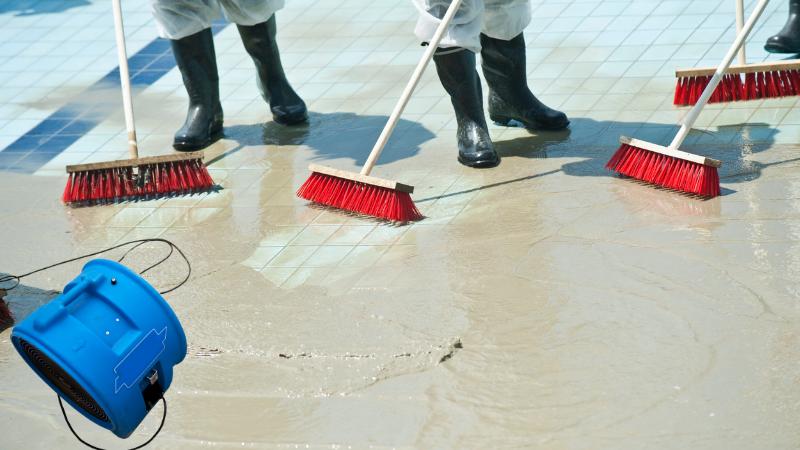
The most recent flood happened during last Friday’s heavy rainfall, when water surged back into their home through the basement shower drain and a stairwell drain just outside their back door. Maskell described the water rising to nearly a foot high against the basement entrance, bringing with it a terrible odor and hazardous waste that made the space unusable.
Unfortunately, this isn’t the first time it’s happened. The couple dealt with similar flooding in 2023 after another strong storm. At that time, they called in a plumber and spent over $1,500 trying to resolve the issue. The plumber eventually cleared the blockage nearly 100 feet from their home and reported that the real issue was a damaged sewer pipe located beneath Downing Street—an infrastructure concern outside their control.
Following that discovery, Maskell filed a claim, hoping for a long-term solution. A crew eventually responded, relieved the immediate problem, but made no permanent repairs. Maskell says that’s why the problem persists. With no structural fix to the pipe, the couple spent the following year relying on a submersible pump and living in fear every time it rained.
In May, after another downpour, sewage surged back up into the basement once again. Maskell said they called for help, and a crew arrived, cleared a blockage, and informed them that the main sewer line had visible holes. According to Maskell, they were told repairs would take place within three weeks. But time passed, and no repairs came.
Then, last week, another storm hit the region, and the same nightmare unfolded—sewage backed up into the basement, damaging walls, floors, and more. Maskell says this latest incident could have been avoided had action been taken when the issue was first discovered over a year ago.
Now, the couple is facing extensive and expensive renovations. “We have to tear out the walls, tear up all the floors, replace the door, re-waterproof, reseal everything, make sure the brick wasn't penetrated,” Maskell explained, listing the extensive work ahead.
After the most recent flooding, utility crews were seen on-site beginning excavation, suggesting that repairs might finally be underway. But for Maskell and his partner, it’s a case of too little, too late. The financial and emotional toll has already been heavy, and they are frustrated by what they see as a lack of urgency.
Adding to their frustration is the conflicting information they say they’ve received. Despite the evidence from their plumber and repeated backups, the response has largely placed responsibility on the homeowners, even though the damaged sewer line lies under public property. This ongoing lack of accountability has left them questioning how many others might be dealing with similar infrastructure failures in silence.
Their situation underscores a broader concern about aging urban infrastructure and the capacity of local systems to handle increasingly severe weather events. As storms intensify and rainfall increases, old or compromised sewer lines can turn from an inconvenience into a health hazard overnight. Homeowners like Maskell are left to shoulder the burden for problems they didn’t cause and can’t fix alone.
While the recent appearance of work crews offers a glimmer of hope, the damage to the couple’s home and trust may take far longer to repair. Their experience serves as a cautionary tale for city agencies and residents alike—one that highlights the critical importance of proactive maintenance, transparent communication, and swift responses when public infrastructure fails.