Rama Duwaji, a Syrian American illustrator and animator, has recently stepped into the public eye as her husband Zohran Mamdani leads the Democratic primary in the New York City mayoral race. While Mamdani’s rapid ascent—from state assemblyman and former rapper to mayoral frontrunner—has captivated the political world, it has also cast a spotlight on the quietly powerful presence of Duwaji. A New York-based artist originally from Damascus, she has lent her voice and support throughout her husband’s campaign while continuing to make an impact in the world of contemporary art.
On the night Mamdani declared victory, Duwaji’s four-word message on Instagram, “couldn’t possibly be prouder,” captured both her pride and her public subtlety. Accompanied by a black-and-white photo-booth strip and a cheerful voting selfie, the post resonated widely, bringing attention not just to Mamdani's political journey but also to Duwaji’s own identity and accomplishments. With the final results of the mayoral primary set to be confirmed after the ranked choice vote count on July 1, the race remains technically undecided. However, Mamdani’s performance has already become one of the most notable stories of this election season—and Duwaji’s support has become a talking point in its own right.
Duwaji’s artistic work has been featured across high-profile platforms and brands, and her portfolio reflects a versatile practice that blends illustration, animation, and ceramics. Her visual language often centers on themes of sisterhood, emotional intimacy, and collective experience, drawing on her cultural heritage and contemporary life in New York. One of her signature mediums is illustrated ceramics—particularly blue-and-white plates that combine personal symbolism with accessible beauty. Though she often remains understated in public discourse, her artwork speaks volumes about identity, empathy, and resistance through creativity.
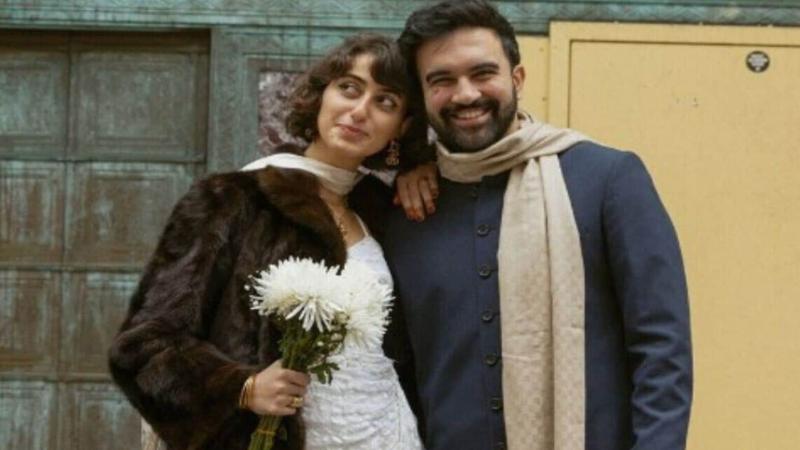
She and Mamdani met on the dating app Hinge, a detail that the politician has brought up often and with humor. Their love story, rooted in modern digital connection, blossomed into marriage earlier this year with a simple civil ceremony at the city clerk’s office. Mamdani shared candid photos of their wedding day, including a now-viral image of the couple in their wedding attire riding the subway at Union Square. In it, Duwaji is seen smiling in a white dress and boots, clutching a bouquet—a modern and unfiltered portrait of a creative couple stepping into a new chapter together.
Yet the path has not been without its share of obstacles. Mamdani has openly addressed the backlash and harassment they’ve encountered online, especially as his political campaign gained momentum. In defense of his wife, he posted, “Rama isn’t just my wife. She’s an incredible artist who deserves to be known on her own terms. You can critique my views, but not my family.” This line drew attention not only for its emotional honesty but also for its reminder that the political spotlight can often drag loved ones into the fray.
Duwaji has also spoken to the power of art in politically charged times. In an interview earlier this year, she referenced Nina Simone’s iconic words: “An artist’s duty, as far as I’m concerned, is to reflect the times.” Duwaji elaborated that art is inherently political, not only in the messages it carries but in the way it is created, funded, and shared. Even the act of creating art as a form of refuge, she says, is a political choice, especially when coming from communities under pressure or scrutiny.
Her deep understanding of this relationship between art and social context may be part of why her support for Mamdani feels both personal and symbolic. While she does not court media attention, Duwaji’s very presence beside her husband sends a message of solidarity, creative power, and multicultural visibility. As they navigate the shifting terrain of public service and creative life, their partnership continues to reflect a blend of mutual respect, shared values, and complementary paths.
Adding to the warmth surrounding the couple’s public emergence was a message from Mamdani’s mother, acclaimed filmmaker Mira Nair. On Election Day, Nair expressed her love for her daughter-in-law by writing, “Darling DIL – Art will flourish in our city in the new day,” a message that highlighted the intergenerational support that frames their story.
In many ways, the rise of Zohran Mamdani in New York politics and the emergence of Rama Duwaji into public consciousness form a unique narrative of artistic courage meeting political ambition. It’s a story of two people navigating different worlds—one of legislation and one of illustration—while finding common ground in values, resilience, and the shared goal of making New York City a more inclusive, expressive place. Whether or not Mamdani secures the final mayoral nomination, the presence of Duwaji in this journey ensures that art, identity, and advocacy remain front and center in this new chapter.